Eye Health
Stay informed with the latest articles on Eye Health, offering expert tips on maintaining vision, preventing issues, and promoting overall eye care for lasting wellness.

How to See Clearly While Wearing Glasses with a Facial Covering
(YesKatja / Getty Images) A year ago, masks were rarely seen outside of home improvement jobs or clinical settings. The COVID-19 pandemic, the mandates for face coverings, and the data supporting their use have turned masks into an everyday habit for people worldwide. One issue many have faced with masks is foggy eyeglasses. If you wear spectacles, you know the frustration. Clouded lenses aren’t merely annoying. If your glasses fog…
Do Eyebright Drops and Supplements Benefit Health?
Eyebright is a plant long used in traditional remedies for eye complaints. Early research indicates it might help soothe inflamed or irritated eyes, though higher-quality human trials are necessary. Eyebright is a small-flowered herb, typically bearing white blooms streaked with purple and a yellow spot near the center. (img by Go Botany – Native Plant Trust) For centuries, it has been part of European folk medicine, mainly employed for minor…

What Causes a Feeling of Pressure Behind the Eye?
A sensation of pressure or discomfort behind your eyes often doesn’t originate from within the eyes themselves. More commonly, it begins elsewhere in the head. While eye disorders can produce eye pain and vision changes, they seldom produce a sensation of pressure. Even glaucoma, which involves increased intraocular pressure, typically does not create a feeling of pressure. Conditions such as conjunctivitis or allergic reactions may cause eye pain, but not…
Droopy Eyelid After Botox
The botulinum toxin delivered by Botox injections produces muscle paralysis. When properly applied, these injections stop the muscles responsible for age-related lines—such as forehead creases, crow’s feet, and frown lines—from contracting. If those muscles are unable to contract, the lines are less noticeable, resulting in a smoother, more youthful appearance. (img by Boston Eyelid Surgery) Occasionally, the toxin can travel beyond the targeted area. In some instances, this may lead…
What Causes Dark Eyelids and How Are They Treated?
The skin around your upper eyelids can develop a darker hue. This may result from changes in nearby blood vessels and surrounding tissue, eyelid hyperpigmentation, trauma, or congenital conditions. It’s possible to have dark eyelids and under-eye circles simultaneously, though one can occur without the other. The two issues do not always share the same cause. Below, find information on what can lead to dark eyelids, who is more likely…

FaceTite: What You Need to Know About This Cosmetic Procedure
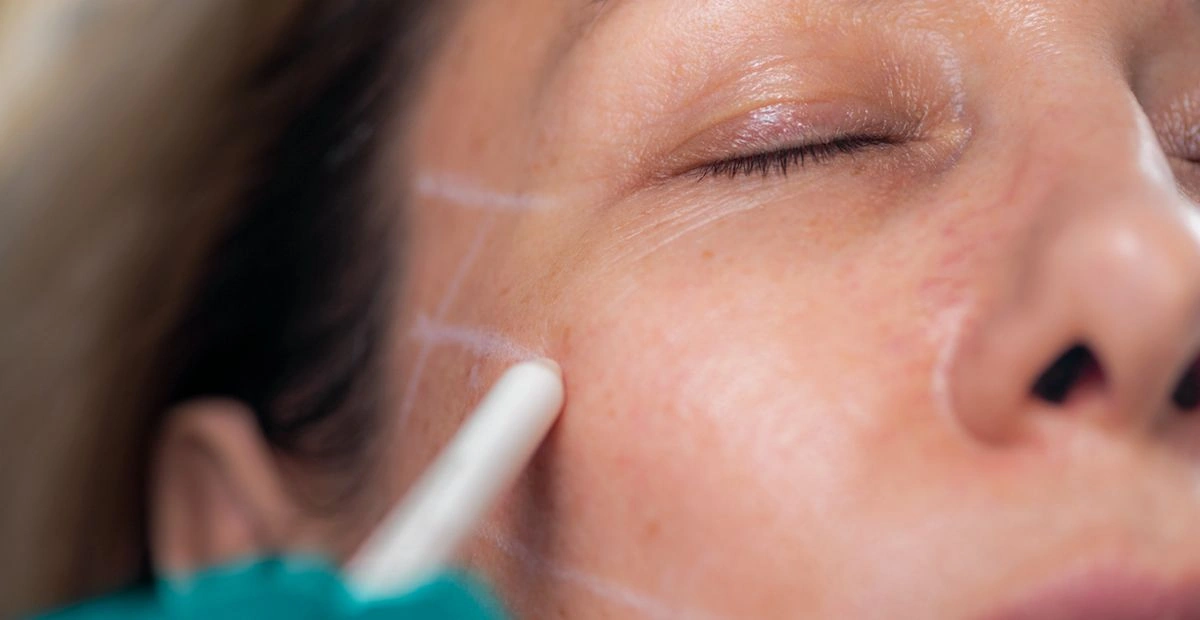
FaceTite merges fat removal with skin-tightening methods to help reshape the face for a firmer, more youthful look. (img by SkinMD) Also referred to as radiofrequency-assisted liposuction (RFAL), it’s a less invasive choice compared with more extensive cosmetic surgeries like traditional facelifts. Before opting for this relatively recent and innovative aesthetic treatment, discuss the possible advantages, effectiveness, and safety considerations with your provider below. Fast facts about FaceTite About FaceTite…
What to Expect with Pterygium Surgery
Overview Pterygium surgery is performed to excise noncancerous growths of the conjunctiva (pterygia) from the eye. The conjunctiva is the transparent tissue that covers the sclera (the white of the eye) and the inner surface of the eyelids. Some pterygia cause minimal or no symptoms. In more advanced cases, excessive conjunctival growth can extend onto the cornea and impair vision. (img by Eye News) Presurgical procedures Pterygium removal is a…
Overview of Granulomatous Conjunctivitis
Granulomatous conjunctivitis is a severe eye ailment, with some instances potentially life-threatening. It frequently arises from infections, inflammatory diseases, and autoimmune conditions. Similar to other forms of conjunctivitis (pink eye), the primary symptoms involve inflammation of the mucous membrane covering the white area of the eye. “Granulomatous” denotes the existence of granulomas within the eye, which are clusters of white blood cells. Granulomas can develop anywhere in the body, including…
Do I Have Pink Eye or a Stye? How to Tell the Difference
Two frequently encountered eye infections are styes and pink eye (conjunctivitis). Because both can cause redness, tearing, and itchiness, distinguishing between them can be tricky. The underlying causes of each condition are entirely different, as are the usual treatments. Read on to understand the similarities and differences between styes and pink eye. We’ll cover causes, treatment choices, prevention strategies, and when to consult a physician. (img by Puente Hills Eye…
Chalazion Surgery: What You Need to Know
A chalazion is a small, typically painless cyst or firm lump that forms on your eyelid. It develops when one of the oil-producing (meibomian) glands becomes blocked. While many chalazia resolve without intervention, some people still feel lump after chalazion surgery and wonder whether this is part of the normal healing process. This eyelid condition often begins with localized redness and swelling. Over time, the clogged gland can lead to…