

A year ago, masks were rarely seen outside of home improvement jobs or clinical settings.
The COVID-19 pandemic, the mandates for face coverings, and the data supporting their use have turned masks into an everyday habit for people worldwide.
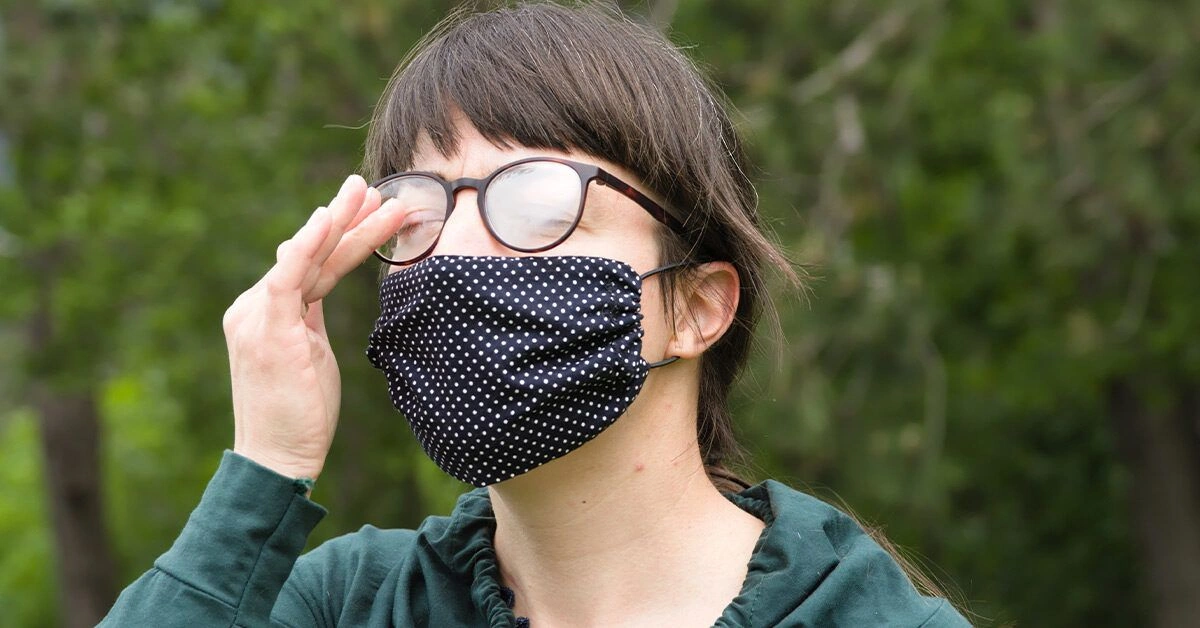
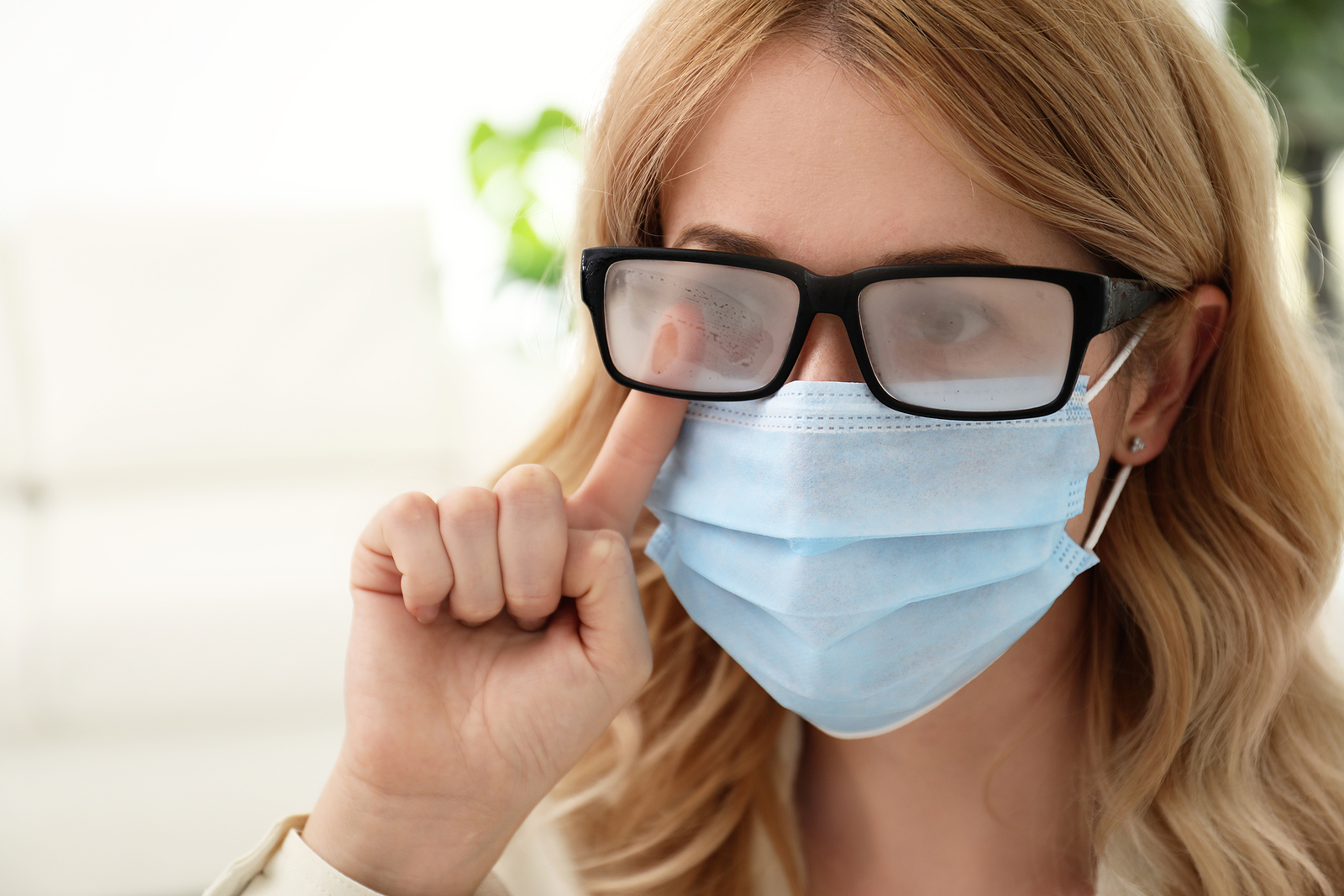
One issue many have faced with masks is foggy eyeglasses. If you wear spectacles, you know the frustration.
Clouded lenses aren’t merely annoying. If your glasses fog while driving, it can increase crash risk; if they fog while you’re walking, you might trip or slip.
If you use glasses regularly and want to avoid this common nuisance, read on for methods to lessen the chance of lenses fogging. Most are simple to try and don’t cost much.
Get a better fitting mask
Masks that don’t conform to your face let warm, humid breath escape upward. That breath hits your lenses and causes instant fog.
Seek a mask with a more contoured fit. While one-size-fits-all options are handy, they often don’t fit snugly around the nose.
If you’re not a skilled seamstress, look for masks with fit-enhancing details such as a nose wire or adjustable ear loops.
Use soap, baby shampoo, or shaving cream
A 2015 review found that rinsing glasses with warm water and soap can help mask wearers avoid fogging. The following products can leave a thin film that blocks moisture:
- soaps
- baby shampoos
- certain shaving creams
Try these steps:
- Rinse your glasses with warm water and one of the soaps.
- Allow them to air dry.
- Then buff away spots with a dry microfiber cloth.
If your lenses have special coatings, like UV or anti-glare layers, check with your optician before trying this. Some cleaning agents may damage treated lenses.
Seal the mask with your glasses
The fix for fogged lenses might be simply the placement of your glasses.
If you can pull the mask higher, lowering your glasses to sit over the mask’s top edge can form a seal that blocks escaping air. Some masks are made to sit higher on the face without blocking vision.
Tape the top of the mask to your nose
If a snug mask still lets air leak, consider blocking the flow upward with tape.
You can use these items to attach the mask to your nose and cheeks so breath diverts away from your lenses:
- medical tape
- sports tape
- adhesive bandages
Before applying tape to your face, test it on another area of skin. Adhesives can cause irritation.
Add a nose bridge
Many store-bought masks include a built-in nose bridge. These help mold the mask to your face.
If your mask lacks one, you can add a bridge. Sew one beneath the top layer if you can sew.
No sewing skills? You can glue or tape a bridge in place. Good materials for a bridge include:
- pipe cleaners
- aluminum foil
- paper clips
- twist ties
Some craft stores sell nose-bridge inserts for handmade masks.
Shop masks with nose bridges online.
Plug gaps with a tissue
If you need a quick anti-fog hack, grab a:
- tissue
- paper towel
- small cloth
Then try this:
- Fold the tissue into a thin strip and place it along the top inner edge of the mask.
- Secure the mask snugly so the tissue remains in place.
Use a secondary wrap
You can use nylon tights to press a mask closer to your face. Tights themselves don’t block airborne germs like masks do, but they can help hold a mask tight to reduce escaping breath.
Dish soap
Like hand soap and shaving foam, dish detergent can leave a film that resists moisture buildup. Divers and snorkelers often use a diluted dish soap mix to prevent mask fog underwater.
Try these steps:
- Wash your glasses with dish soap and warm water.
- Rinse away the soap and let the lenses dry.
- Remove any spots with a microfiber cloth.
Anti-fog sprays and wipes
There are wipes and sprays made specifically to prevent glasses from fogging. These products deposit a film or coating that helps resist the fog produced by warm breath.
Shop for glasses anti-fog products online.
What not to try
The web is full of tricks to prevent foggy lenses. For every method that helps, you’ll find ones that don’t.
Here are a few to avoid and why.
Toothpaste
Many toothpastes contain abrasive agents like baking soda. Those gritty components can scratch lenses, which can be costly to fix.
Spitting
While swimmers may use this tactic, spitting introduces germs — not advisable during a pandemic. Besides hygiene concerns, it’s not an effective long-term solution.
Vinegar
Although vinegar is a handy cleaner at home, it’s not suitable for eyeglasses. Its acidity can harm lens coatings.
Why lenses fog up
The short answer: condensation.
Warm, moist air from your breath that escapes through gaps in your mask meets the cooler surface of your glasses and condenses into a layer of moisture.
You’ve likely seen this when you walk into an air-conditioned room wearing sunglasses on a hot day — moisture quickly forms a foggy film.
A loose or baggy mask creates more pathways for warm air to escape upward. Preventing fogging is mostly about reducing those escape routes for humid air.
Bottom line
Preventing glasses from fogging focuses on stopping air from coming out the top of your mask. Many anti-fog approaches are simple and inexpensive to try.
Before buying specialty items, test easy fixes like:
- soap
- tape
- tissue
If those measures fail, consider fitted masks or commercial anti-fog products. You may need to try a few techniques to find what works best for you, but persistence pays off.






















Leave a Reply
You must be logged in to post a comment.