

Eyebrow twitching is a form of muscle spasm. A variety of factors can trigger spasms, and they may sometimes indicate an underlying medical issue that requires attention.
Muscle twitches or spasms are involuntary contractions that can appear anywhere on the body, including the eyelids. When an eyelid twitches it can pull the skin around the eyebrow, making the brow move. These spasms can last from a few seconds to several hours. In most cases twitches subside without any treatment.
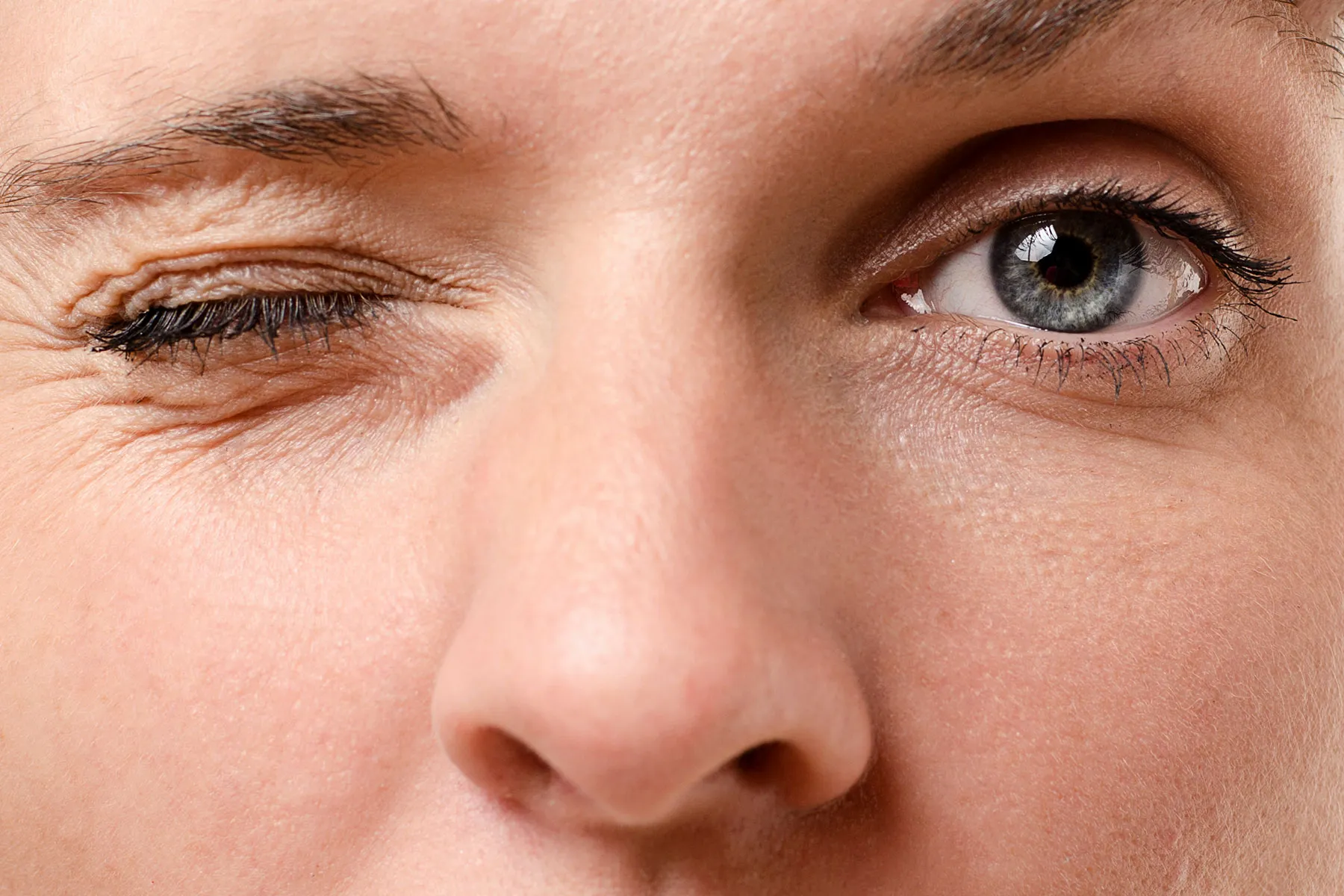
General eye twitching differs from hemifacial spasms, a chronic condition caused by irritation or injury to facial nerves. Hemifacial spasms typically affect only one side of the face and extend beyond the eye area.
Many triggers — ranging from excess caffeine to not enough rest — can lead to eye spasms. Because twitching may also be a symptom of a more significant disorder, it’s important to consult your physician to identify the root cause.
What causes my eyebrow to twitch?
1. Caffeine
Too much caffeine can provoke eye twitching. Keep a log of your caffeine intake alongside any episodes of twitching to identify a pattern. If you notice more twitches when you consume caffeinated beverages, cutting back on coffee, tea, soda, and energy drinks should reduce the problem.
2. Alcohol, drugs, or tobacco
Alcohol use, tobacco, and recreational drugs can all trigger eye twitching. Cutting down on alcohol and avoiding tobacco and illicit substances may resolve the issue.
3. Medications
Certain drugs, particularly antiepileptic or antipsychotic medications, may lead to eye twitching. If a medication appears to be the cause and it’s troublesome, discuss alternative drugs or dose adjustments with your doctor.
4. Stress
Stress can cause many physical reactions, including eye twitches. Eliminate stressors when possible. If that isn’t feasible, try relaxation strategies such as exercise, deep breathing, or meditation.
5. Eyestrain
Overworking your eyes or frequent squinting can bring on twitching. Wear sunglasses if you squint often outdoors. If you spend long hours at a screen, take regular breaks and follow the 20-20-20 guideline. Persistent twitching may also indicate it’s time for a new glasses or contact lens prescription.
6. Fatigue
Fatigue increases the likelihood of eye twitching. Aim for at least seven hours of sleep per night. If you’re sleeping enough but still exhausted, consult your doctor to rule out other health issues.
7. Nutritional issues
Insufficient magnesium or potassium in your diet can contribute to eye twitches.
Adding these foods may be beneficial:
- bananas
- dark chocolate
- avocados
- nuts
8. Allergies
People with allergies may be more prone to eye twitching. Researchers think histamine release when you rub irritated eyes could provoke twitches. Treatments and medications that ease allergy symptoms may help reduce twitching.
9. Bell’s palsy
Bell’s palsy produces temporary weakness or paralysis of facial muscles, often when the facial nerve becomes inflamed or compressed. The exact cause is unclear but viral infections like herpes simplex are suspected. It can also be linked to other conditions such as ear infections, high blood pressure, and diabetes.
Other signs of Bell’s palsy include:
- drooping on one side of the face
- inability to fully open or close the eye
- drooling
- difficulty forming facial expressions or smiling
- facial spasms
- trouble eating and drinking
Bell’s palsy typically improves on its own, though medications and eye drops can help manage symptoms. See your doctor if you experience these signs.
10. Dystonia
Dystonia refers to involuntary muscle contractions that cause slow, repetitive movements. It can affect various body regions, including the eyes. Dystonia may be associated with conditions such as:
- Parkinson’s disease
- encephalitis
- encephalopathy
- stroke
- brain aneurysm
- Huntington’s disease
- cerebral palsy
- alcoholic ketoacidosis
11. Multiple sclerosis
Multiple sclerosis (MS) occurs when the immune system attacks the central nervous system. Besides eye twitching, MS can cause:
- fatigue
- difficulty walking
- speech problems
- tremors
- concentration or memory difficulties
- pain
There’s no cure for MS, but a range of medications and therapies can help control symptoms and slow progression.
12. Tourette syndrome
Tourette syndrome is a neurological disorder that produces involuntary, repetitive movements and vocalizations, which can include eye twitching. It more commonly appears in males and often begins between ages three and nine. Not all cases require treatment; medications and behavioral therapies are options for more severe cases.
When to see a doctor
Contact your physician if you notice any of the following to rule out serious causes of eyebrow twitching:
- the twitching continues beyond a few weeks
- your eyelids or other facial muscles droop
- your eye becomes red, swollen, or has discharge
- twitching occurs in other parts of your face or body
- your eyelid fully closes when the twitching happens
What’s the outlook for eyebrow twitching?
Eye twitching most often resolves on its own, and lifestyle adjustments can help. If changes in habits, sleep, stress, or diet don’t relieve symptoms, consult your doctor to investigate potential underlying conditions. For related concerns during pregnancy, see eye twitching pregnancy.















Leave a Reply
You must be logged in to post a comment.