

Eye twitching while pregnant? You might have anticipated morning sickness, swelling, and cravings, but this irritating symptom probably wasn’t on your checklist. Yet here it is, and you’re far from the only person dealing with it.
With eye twitching, either the upper or lower lid — and sometimes both — can spasm. Occasionally the contractions are intense enough to force the eye shut.
Most of the time this isn’t dangerous — even when you’re pregnant. However, simple twitching can sometimes escalate and persist. In the uncommon situation that it does, your clinician may label it blepharospasm and discuss treatment options.
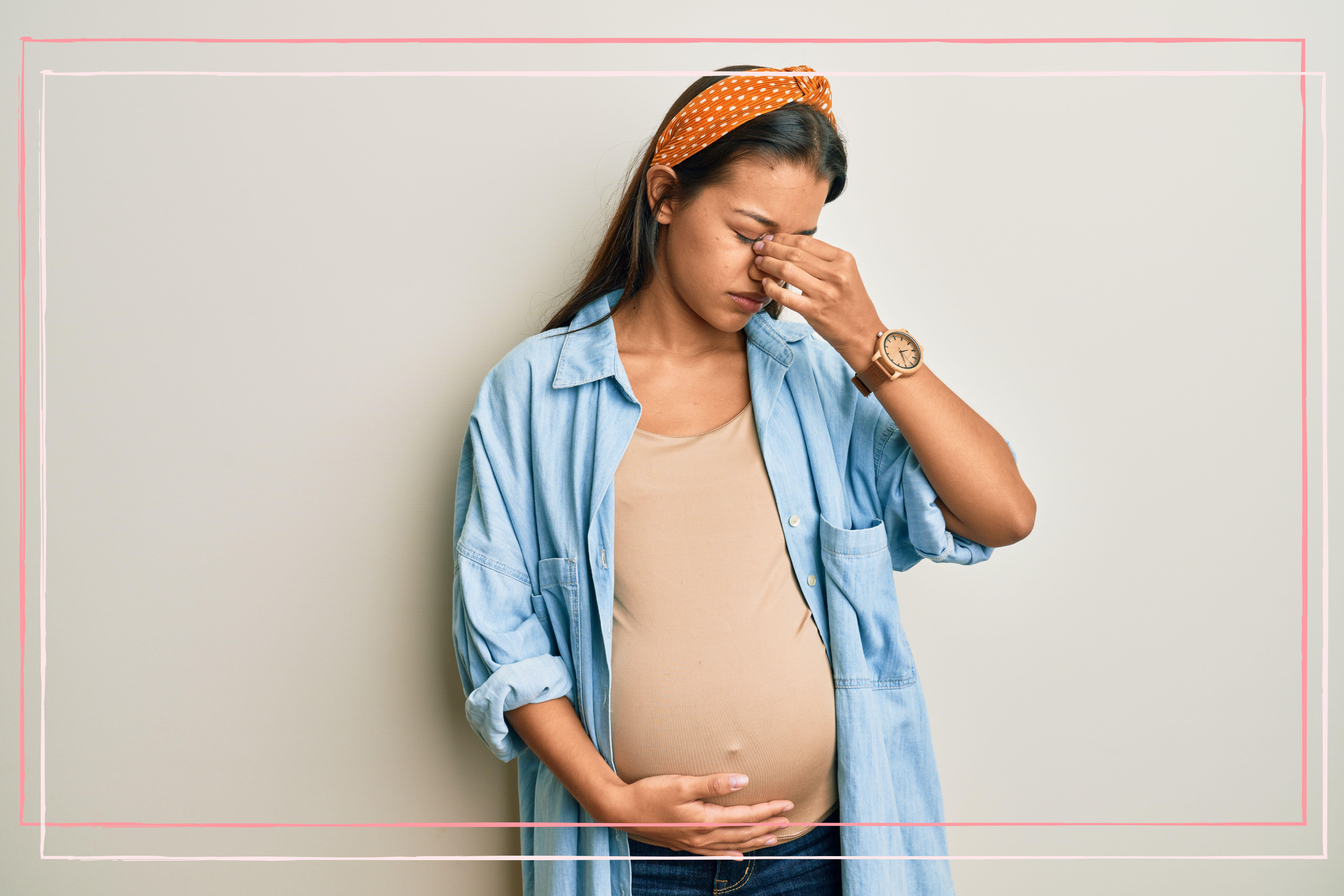
What might trigger eye twitching in pregnancy
While researchers don’t fully understand every mechanism behind eye twitching, they know several brain areas, including the basal ganglia, play a role in generating these brief movements (source).
Several common factors may set off the spasms.
Stress
Pregnancy and stress often go together. Between the physical shifts and emotional adjustments, it’s easy to feel pressured. Stress is a frequent cause of eye twitching before, during, and after pregnancy.
Fatigue
Growing a baby is physically demanding, and it’s not only hormones making you tired. The increasing weight you’re carrying is draining, and finding a comfortable sleep position — along with frequent nighttime bathroom trips — makes restful sleep elusive.
When you’re worn out, an eye twitch is more likely to occur.
Vitamin and mineral shortfalls
Prenatal supplements and a healthy diet supply nutrients needed for both you and your baby. Imbalances in minerals such as magnesium and potassium can contribute to eyelid spasms.
Magnesium participates in hundreds of enzyme reactions including those that regulate muscle contraction, while potassium is essential for proper nerve signaling.
Dry eyes
Normally you blink 10–20 times a minute, but when you’re concentrating on a book or a screen you blink less, reducing tear distribution. Combine that with the hormonal shifts of pregnancy and you can develop dry eyes that twitch.
Eyestrain
Chances are you’re using digital devices more now (you might have found this page while searching about pregnancy-related eye twitching). Overuse of computers, tablets, and phones commonly strains the eyes.

During pregnancy, glare and screen discomfort may feel even more bothersome.
Caffeine
Moderate caffeine intake is generally acceptable during pregnancy, but consuming excessive amounts can provoke eye spasms.
Home measures to calm the twitch
Prioritize rest and stress relief
An eye twitch is a good reminder to carve out time for gentle exercise, a coffee (or tea) with a friend, or a nap. Listen to your body and give yourself the self-care that often gets postponed.
Take your prenatal vitamins and eat nutrient-rich foods
Well done for keeping up with your prenatal supplement. You can further reduce deficiency risk by eating potassium-rich foods like bananas and magnesium-containing options such as avocados, nuts, and yes, dark chocolate — in moderation.
Keep your eyes hydrated
Artificial tears can relieve dryness, but you might prefer a natural approach: chilled cucumber slices over closed eyelids.
Studies indicate cucumber’s hydrating and anti-inflammatory properties can decrease swelling, soothe the skin, and even boost antioxidant activity (research). And you get to recline while they work.
Cut down on eyestrain
Try to reduce screen time and apply the 20/20/20 rule: every 20 minutes, look at something at least 20 feet away for 20 seconds. If strain continues, consider an anti-glare filter or glasses designed to reduce screen glare.
When medical care may be needed
On rare occasions, eye twitching can signal a more significant issue. Contact your healthcare provider if you experience spasms affecting the mid- or lower face or brow area. Ongoing, worsening twitching could point to a condition like blepharospasm, which affects women more often than men.
There are several treatments for persistent twitching, though not all are appropriate during pregnancy. Your doctor might suggest the following options after delivery:
- Botulinum toxin injections into the eyelid muscles — an FDA-approved approach that temporarily weakens those muscles and stops twitching.
- Oral medications can benefit some patients.
- Surgery to remove portions of eyelid muscles or nerves may be considered in severe cases.
Other eye changes you might notice while pregnant
Besides twitching, pregnancy can bring various eye-related differences. Some are harmless, while others require medical attention.
Commonly harmless pregnancy-related eye symptoms
- Migraine. If you’re prone to migraines, hormonal changes during pregnancy can increase the chance of attacks. A classic migraine may cause you to see stars, while an ocular migraine can produce flashing lights and lines without the pain.
- Floaters. Small specks that drift through your vision are usually bits of vitreous gel. During pregnancy you might notice them more often due to elevated blood pressure or blood sugar. Still, visual disturbances can be a sign of preeclampsia, so mention them to your clinician.
- Blurred vision. Fluid retention, common in pregnancy, can also affect the eye and change the shape of the cornea (reference), producing temporary blurriness.
Pregnancy-related eye symptoms that need prompt medical attention
- Persistent flashes. Occasional flashes can be normal, but frequent or ongoing streaks of light warrant an eye exam, as they can indicate a retinal detachment.
- Serious vision changes. Blurred vision, flashing lights, floaters accompanied by a severe headache or sharp pain under the ribs could signal preeclampsia. Contact your provider immediately, as this is a dangerous pregnancy complication.
Bottom line
Eye twitching is usually not serious and is commonly driven by factors like stress and fatigue, which are prevalent during pregnancy. However, if you develop additional or worsening symptoms, check in with your healthcare provider.
Take heart — this is likely temporary. Keep your sights on the end goal: soon you’ll be holding your baby in your arms.























Leave a Reply
You must be logged in to post a comment.