

Cataracts are the leading cause of clouded eyesight. Other possible culprits include Fuchs’ dystrophy, macular degeneration, and diabetic retinopathy. Your clinician can identify the source and advise which treatment is most appropriate.
Cloudy vision can make everything look as if it’s shrouded in mist.
When objects around you appear less distinct, it can impact your daily life. That’s why locating the root cause of your hazy vision is important.

How is blurry vision different from cloudy vision?
Blur and cloudiness of vision are often mixed up. Although they can stem from the same condition and share similarities, they are distinct.
- Blurry vision describes when things appear out of focus. Narrowing your eyes may help sharpen the image.
- Cloudy vision feels like looking through a veil or fog. Colors can seem washed out or subdued. Squinting typically won’t improve clarity.
Both blurry and cloudy vision may be accompanied by symptoms such as headaches, eye discomfort, and seeing halos around lights.
Certain conditions that produce blurred or cloudy vision can progress to vision loss if left untreated.
What are common reasons for cloudy vision?
There are many possible causes of clouded eyesight. Below are some of the most frequent ones:
Cataracts
A cataract occurs when the lens of your eye becomes opaque. Normally transparent, the lens becomes cloudy with a cataract, making it feel as though you’re viewing the world through a fogged window. This is the most frequent cause of cloudy vision.
As cataracts advance, they can hinder everyday activities and make seeing fine details more difficult.
Most cataracts form slowly, so their effect on vision increases over time. They commonly occur in both eyes but often develop at different speeds, which can lead to unequal vision between the eyes.
Age is the primary risk factor for cataracts because age-related changes cause lens fibers to break down and clump, forming the cloudiness.
Cataracts are also more likely in people who:
- have diabetes
- have high blood pressure
- use long-term steroid medications
- have had prior eye surgery
- experienced an eye injury
Signs of cataracts include:
- cloudy or blurred vision
- difficulty seeing in low light or at night
- halos around lights
- sensitivity to glare
- colors appearing faded
- frequent changes in glasses or contact lens prescriptions
- double vision in one eye
In early stages, lifestyle adjustments can ease symptoms — for example, using brighter lighting indoors, wearing anti-glare sunglasses, and using a magnifier for reading.
However, surgery is the only definitive treatment for cataracts. Your doctor may suggest surgery when cataracts significantly interfere with daily activities or reduce quality of life.
During the procedure, the cloudy lens is removed and replaced with an artificial intraocular lens. Cataract surgery is usually performed on an outpatient basis, allowing you to return home the same day.
The operation is generally very safe and has a high success rate.
After surgery you’ll use eye drops for several days and wear a protective shield while sleeping. Most people can resume normal activities within a few days, though full recovery may take several weeks.

Fuchs’ dystrophy
Fuchs’ dystrophy is a disorder that affects the cornea.
The innermost corneal layer, called the endothelium, pumps fluid out of the cornea to keep vision clear. In Fuchs’ dystrophy, endothelial cells gradually die, causing fluid to build up and the cornea to swell, which can blur vision.
Many people have no early symptoms. The first sign is often a morning haze that improves during the day.
Later signs can include:
- persistent blurred or cloudy vision
- small blisters on the cornea that may rupture and cause pain
- a gritty sensation in the eye
- light sensitivity
Fuchs’ dystrophy is more common in women and in those with a family history of the condition. Symptoms generally appear after age 50.
Treatment depends on the severity and may include:
- eye drops to reduce corneal swelling
- using a hair dryer or other gentle heat source to dry the corneal surface
- corneal transplant — either replacing only the endothelial layer or the full cornea — when symptoms are severe and don’t respond to other measures
Macular degeneration
Macular degeneration is a major cause of vision impairment. It occurs when the macula, the central part of the retina that transmits images to the brain, deteriorates.
There are two forms: dry and wet.
Most cases are the dry type, caused by small yellow deposits called drusen accumulating under the central retina.
Wet macular degeneration is due to abnormal blood vessels forming beneath the retina and leaking fluid.
Early on you might not notice symptoms. Over time it may cause wavy, cloudy, or blurred vision.
Age is the strongest risk factor; it’s more common after age 55.
Other risks include family history, race — it’s more prevalent among Caucasians — and smoking. You can lower your risk by:
- avoiding tobacco
- protecting your eyes from sun exposure
- eating a balanced, nutrient-rich diet
- exercising regularly
There is no cure for macular degeneration, but its progression may be slowed.
For dry macular degeneration, some research suggests certain vitamins and minerals (vitamin C, vitamin E, zinc, and copper) may help slow worsening.
For wet macular degeneration, treatments to slow progression may include:
- Anti-VEGF injections, which block formation of abnormal blood vessels and reduce leakage. These are delivered directly into the eye and are the most effective way to slow wet macular degeneration.
- Laser therapy, which may also help control abnormal vessels in some cases.
Diabetic retinopathy
Diabetic retinopathy is a diabetes-related complication that harms retinal blood vessels.
High blood sugar can block the small blood vessels that supply the retina, cutting off its blood supply. The eye then grows new blood vessels, but these are fragile and prone to leaking in people with diabetic retinopathy.
Anyone with type 1 or type 2 diabetes may develop diabetic retinopathy. The longer you have diabetes — especially if blood sugar is poorly controlled — the greater your risk.
Other risk factors include:
- high blood pressure
- high cholesterol
- smoking
Early diabetic retinopathy may produce no symptoms. In later stages, you may notice:
- blurred or cloudy vision
- colors appearing muted
- dark or empty spots in your vision
- floaters (dark specks in your field of vision)
- vision loss
In mild cases, doctors may simply monitor your eyes until treatment is needed.
Advanced diabetic retinopathy usually requires surgical or procedural treatment to halt or slow progression, though it can recur if diabetes remains uncontrolled.
Treatment options include:
- photocoagulation, using lasers to seal leaking blood vessels
- panretinal photocoagulation, a laser procedure to shrink abnormal vessels
- vitrectomy, removing blood and scar tissue through a small incision in the eye
- anti-VEGF injections
What can trigger sudden cloudy vision in one or both eyes?
Most reasons for clouded vision worsen gradually, but some conditions cause abrupt cloudiness in one or both eyes.
These include:
- An eye injury, such as a direct blow to the eye.
- An eye infection. Infections like herpes, syphilis, tuberculosis, or toxoplasmosis can cause sudden clouded vision.
- Eye inflammation. When white blood cells rush to tackle inflammation, they can damage eye tissue and lead to sudden clouding. Inflammation is often autoimmune in origin, but can also result from infection or trauma.

When should you see an eye specialist?
Occasional or mild cloudiness may not be serious. Still, see your doctor if the haze persists for more than a day or two.
Seek prompt medical attention if you experience any of the following:
- changes in your vision
- double vision
- flashes of light
- sudden eye pain
- severe eye pain
- a persistent gritty sensation in the eye
- a sudden headache
The takeaway
Cloudy eyesight can feel like viewing the world through a misted window.
Cataracts are the most common reason for clouded vision. Most cataracts progress slowly and worsen over time; cataract surgery is the most effective way to restore clearer vision.
Other less frequent causes include Fuchs’ dystrophy, macular degeneration, and diabetic retinopathy.
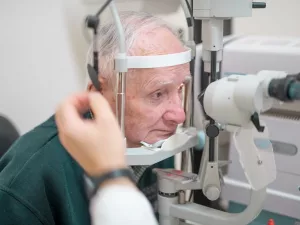
If you’re experiencing cloudy vision, consult your doctor to explore possible causes and treatment options.




















Leave a Reply
You must be logged in to post a comment.