

Hey there, mama‑to‑be! If you’ve started noticing a few odd visual quirks—like a sudden blur, a flash of stars, or those annoying little specks dancing in your field of view—you’re not alone. Most expectant women experience some eye changes during pregnancy, and for the most part they’re harmless and fade after delivery. But a few red‑flags can’t be ignored, and knowing the difference can keep both you and your baby safe.
Below you’ll find a friendly walk‑through of everything you might see (or feel) in your eyes while carrying a tiny human, why it happens, and exactly when it’s time to pick up the phone and call a professional.
Why Eyes Change
Hormonal Waves
Estrogen, progesterone, and the cornea
During pregnancy your body floods with estrogen and progesterone. These hormones do a lot of heavy lifting—softening ligaments, loosening muscles, and even altering the shape of the cornea (the clear front part of your eye). A thicker cornea changes how light is focused, which can give you that temporary “need for a new prescription” feeling. According to WebMD, most women notice these shifts in the second or third trimester, and they usually settle down after birth.
Fluid Retention
Swelling in the eyes
Pregnancy doubles your blood volume and makes your body hold onto extra water. That fluid can collect around the eyes, thickening the cornea and creating blurry vision or a “foggy” sensation. Think of it like a pair of glasses that have just been left in a humid bathroom—everything looks a bit smeared.
Systemic Conditions
When pregnancy meets hypertension
High blood pressure, pre‑eclampsia, and gestational diabetes each have their own visual footprints. They can cause retinal swelling, flashing lights, or even temporary vision loss. Recognizing these patterns early is crucial because they affect more than just your eyes—they impact the health of your baby, too.
Common Vision Issues
| Symptom | What It Feels Like | Typical Cause | When It’s Usually Harmless | When to Call a Doctor |
|---|---|---|---|---|
| Blurred vision | Objects look fuzzy, like looking through a shower door | Corneal swelling from fluid retention | Gradual onset, improves after rest | Sudden onset, double vision, lasts > 2 weeks postpartum |
| Seeing stars/flashes | Sudden sparkles or lightning‑like streaks | Migraine aura or retinal micro‑ischemia from BP spikes | Occasional, no headache | Accompanied by headache, high BP, or visual field loss |
| Floaters | Specks or cobwebs drifting across vision | Vitreous shifts due to hormonal changes | Small, stable number of floaters | Sudden increase, curtain‑like shadow, peripheral loss |
| Dry, gritty eyes | Sandpaper feeling, constant need to blink | Reduced tear production from hormonal imbalance | Mild irritation, improves with artificial tears | Painful, redness, vision blur persists |
| Puffy eyelids | Swollen lids that may block peripheral view | Fluid retention, low‑sodium diet | Minor puffiness, resolves with hydration | Severe swelling, pain, vision obstruction |
Blurred Vision
Why it happens
The extra fluid makes the cornea thicker, shifting its refractive power. It’s a bit like your eyes getting a temporary prescription change. Most of the time, a quick rest, staying hydrated, and sleeping with a slightly elevated head will help. A study on blurry vision during pregnancy notes that the symptom typically eases within a few weeks after delivery.
Red flag
If the blur hits suddenly, feels like double vision, or sticks around long after you’ve given birth, it could be more than fluid—think high blood pressure or a retinal issue. Don’t wait; get it checked.
Seeing Stars or Flashes
What’s going on?
Flashes can be a migraine aura, but they’re also classic warnings of retinal stress from high blood pressure. When the tiny vessels in the retina leak a little fluid, you might see a brief “star” burst. According to a neuro‑ophthalmology review, these flashes become concerning when paired with headaches, nausea, or a sudden rise in blood pressure.
When to act fast
Any flash accompanied by a headache, vision loss, or a feeling of “rainbow” colors in the visual field warrants immediate OB‑GYN or emergency care—preeclampsia can sneak up quickly.
Floaters
Normal vs. alarming
Floaters are those little specks that drift like dust motes in a sunbeam. Hormonal changes can make the vitreous (the gel inside the eye) shift, leading to a few extra floaters. Most of the time they’re harmless. However, a sudden avalanche of new floaters plus flashes could mean a retinal tear—an urgent situation.
Dry, Gritty Eyes
Why dryness spikes
Hormones can mess with your tear glands, reducing the oily layer that keeps tears from evaporating too fast. The result? A gritty, burning sensation that makes you want to rub your eyes—something you should avoid because it can introduce infection.
Quick relief
Preservative‑free artificial tears are your best friend. Look for “contact‑lens safe” labels if you wear lenses. A little omega‑3‑rich fish or flaxseed can also boost tear quality from the inside out.
Serious Warning Signs
High Blood Pressure & Preeclampsia
Spot the symptoms
Preeclampsia often shows up as blurry vision, flashing lights, or a “rainbow” hue over everything. It can also cause swelling of the hands and face, severe headaches, and a sudden weight jump. Because it threatens both mother and baby, treat any visual change with high blood pressure as an emergency.
Retinal Detachment or Tear
What to look for
A curtain‑like shadow that sweeps across part of your vision, a sudden surge of floaters, or persistent flashes are classic red flags. Retinal detachments require surgery within hours to preserve sight.
Optic Neuritis & Neurological Emergencies
When the optic nerve reacts
Painful eye movement, loss of colour vision, or a rapid decline in sharpness can signal optic neuritis—a rare but serious condition. Immediate referral to a neuro‑ophthalmologist is essential.
Diabetic Retinopathy Flare‑up
Pregnancy’s impact on diabetic eyes
If you have pre‑existing diabetes, pregnancy can accelerate retinal changes. Regular eye exams each trimester are a must; early laser treatment can prevent permanent damage.
Managing Mild Symptoms
Glasses vs. Contacts
When to switch
Because corneal thickness fluctuates, it’s wise to hold off on a new glasses prescription until at least six weeks after delivery. If you wear contacts, consider swapping to glasses during the third trimester to avoid dryness and infection.
Artificial Tears & Lubricants
Safe choices
Pick preservative‑free drops that are labelled safe for pregnancy. Avoid decongestant eye drops unless a doctor prescribes them, as they can affect blood flow to the eye.
Lifestyle Tweaks
Simple daily habits
- Stay well‑hydrated (aim for 2‑3 L of water a day).
- Limit salty foods to reduce overall fluid retention.
- Use a humidifier at night to keep eyes from drying out.
- Take regular screen breaks—20‑20‑20 rule (every 20 minutes look at something 20 feet away for 20 seconds).
When to Pause Contact Lens Wear
Risk factors
Dry eyes, swelling, or a tendency toward infections are all reasons to ditch contacts for a while. Soft lenses can trap bacteria when tear production drops, leading to keratitis—a painful infection you definitely want to avoid.
Quick FAQ Answers
Can pregnancy cause permanent vision loss?
Most changes are temporary. Permanent loss is rare and usually tied to serious conditions like pre‑eclampsia, retinal detachment, or uncontrolled diabetes. Prompt medical attention prevents lasting damage.
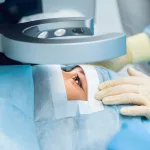
Is it safe to get LASIK during pregnancy?
No. Hormonal shifts alter corneal thickness, making outcomes unpredictable. Wait until after delivery and a stable prescription for at least six months before considering surgery.
Do I need to see an eye doctor if I wear contacts?
Yes—ideal to have a check‑up each trimester. Your doctor can assess dryness, infection risk, and whether your prescription needs tweaking.
Can I use over‑the‑counter eye drops?
Only preservative‑free artificial tears. Any decongestant or “redness‑relief” drops should be cleared by your OB‑GYN or optometrist first.
How long do blurry‑vision episodes last?
Typically 1–2 weeks per trimester, fading a few weeks after birth. If they linger beyond that, schedule an eye exam.
Checklist for Moms
Weekly Self‑Check
- Notice any new flashes, floaters, or shadows?
- Are your eyes feeling dry, gritty, or unusually watery?
- Do you see a sudden blur that won’t clear?
- Any swelling around eyelids that blocks peripheral view?
When to Call
- OB‑GYN: If you have high blood pressure, headaches, or any visual change paired with swelling.
- Optometrist/Eye Doctor: New floaters + flashes, persistent blur, or painful eyes.
- Emergency Room: Sudden loss of vision, curtain‑like shadow, or severe headaches with visual disturbances.
Key Numbers to Keep Handy
- Your OB‑GYN office: __________
- Local eye‑care clinic (after‑hours): __________
- Emergency department (nearest): 911
Having these numbers on a fridge magnet or saved in your phone can turn a scary moment into a confident, quick response.
Wrapping It Up
Pregnancy vision problems are a normal part of the hormonal roller‑coaster that comes with growing a little human. Most of the time, they’re fleeting—like a brief cloud passing over a sunny sky. Yet a few signs act like storm warnings, telling you to seek help right away. By staying aware, keeping up with regular eye exams, and listening to your body, you can protect your sight and enjoy the journey of motherhood with clear eyes and a calm heart.
Got a story about your own eye changes during pregnancy? Or a question that’s still hanging in the air? Drop a comment below, share your experience, or reach out—let’s keep the conversation going. Your peace of mind (and your vision) matters.


















Leave a Reply
You must be logged in to post a comment.