How Many Calories in Chicken? Breast, Thigh, Wing, and More


The calorie content of chicken depends on the specific cut and how it’s prepared. Still, most common varieties range from about 155 to 203 calories per 3.5-ounce (100-gram) portion.
Chicken is a go-to source of lean protein, delivering a substantial amount of protein per serving with relatively little fat.
It’s simple to prepare at home and is widely available in restaurants. You’ll find chicken dishes across virtually every cuisine.
But you might be curious about exactly how many calories are in the chicken on your plate.
Chicken comes in several cuts — breasts, thighs, wings, and drumsticks — and each cut has a distinct calorie count and a different protein-to-fat ratio.
Below are the calorie figures for the most commonly eaten cuts of chicken.

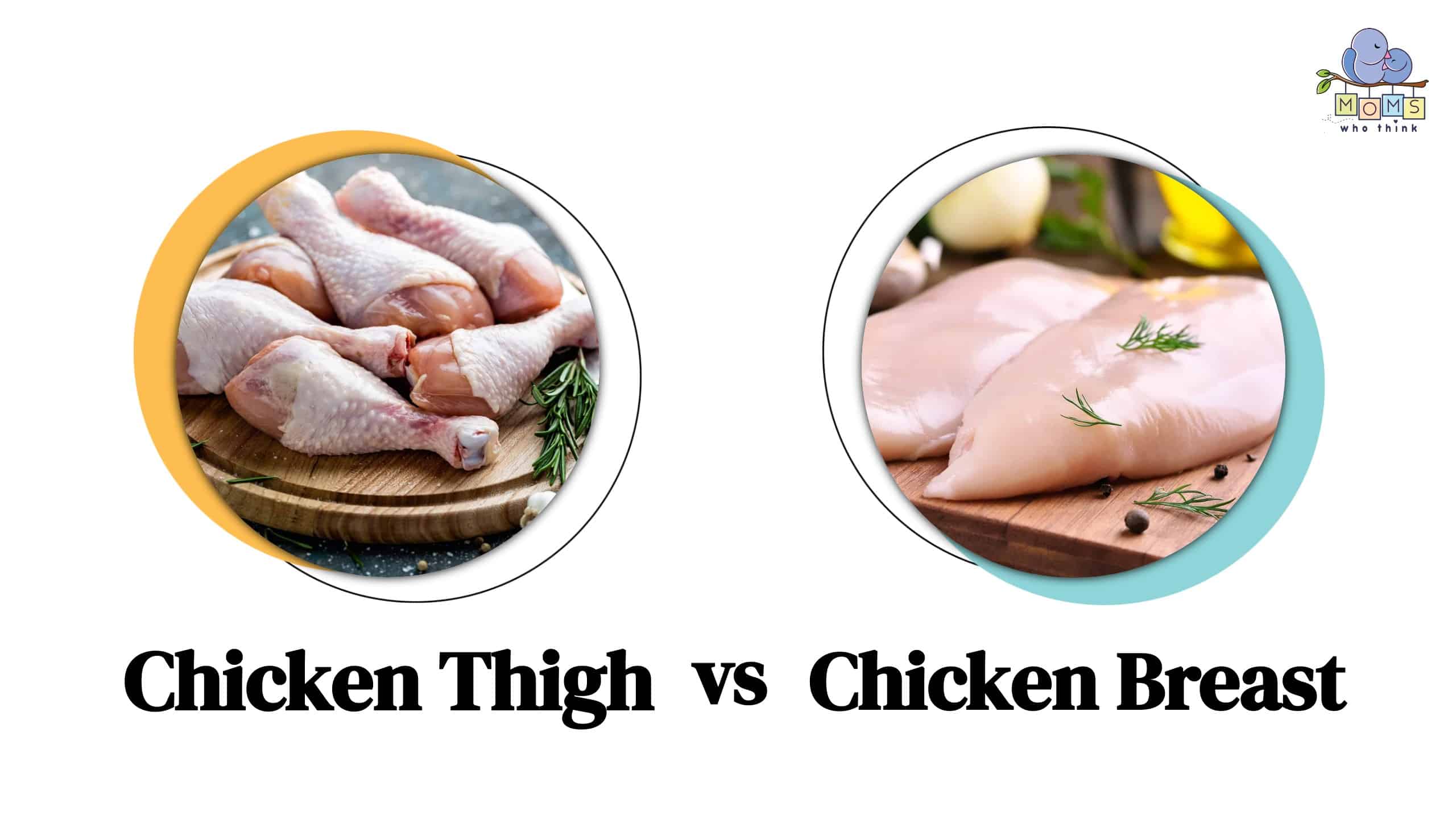
Chicken breast: 284 calories
Chicken breast is among the most favored cuts. It’s high in protein and low in fat, making it a solid pick for those watching their weight.
One cooked, skinless, boneless chicken breast (172 g) has the following nutrient profile :
- Calories: 284
- Protein: 53.4 g
- Carbs: 0 g
- Fat: 6.2 g
A 3.5-oz. (100-g) portion of chicken breast supplies about 165 calories, 31 g of protein, and 3.6 g of fat. That works out to roughly 80% of calories from protein and 20% from fat.
Keep in mind these values are for plain chicken breast without added ingredients. Cooking with oil or applying marinades and sauces will raise the total calories, carbs, and fat.
Chicken thigh: 208 calories
Chicken thigh tends to be juicier and more flavorful than breast because it contains more fat.
One cooked, skinless, boneless chicken thigh (116 g) provides :
- Calories: 208
- Protein: 28.8 g
- Carbs: 0 g
- Fat: 9.5 g
Per 3.5 oz. (100 g), chicken thigh contains about 179 calories, 24.8 g of protein, and 8.2 g of fat. About 55% of its calories are from protein and 45% from fat.
Chicken wing: 43 calories
Chicken wings might not immediately seem like a light choice, but when they’re not battered, sauced, or deep-fried, they can fit into a healthy eating plan.
One skinless, boneless chicken wing (21 g) contains :
- Calories: 43
- Protein: 6.4 g
- Carbs: 0 g
- Fat: 1.7 g
On a 3.5-oz. (100 g) basis, wings deliver 203 calories, 30.5 g of protein, and 8.1 g of fat. That equates to about 64% of calories from protein and 36% from fat.
Chicken drumstick: 149 calories
The chicken leg is composed of two parts: the thigh and the drumstick. The drumstick is the lower segment of the leg.
One cooked, skinless, boneless chicken drumstick (96 g) contains :
- Calories: 149
- Protein: 23.2 g
- Carbs: 0 g
- Fat: 5.5 g
Per 3.5 oz. (100 g), drumsticks have around 155 calories, 24.2 g of protein, and 5.7 g of fat. Roughly 65% of the calories are from protein and 35% from fat.

Other cuts of chicken
While breasts, thighs, wings, and drumsticks are the most frequently consumed, several other chicken parts are available.
Here are calorie counts for a few other chicken cuts:
- Chicken tenderloins: 89 calories per 3.5 oz. (100 g)
- Back: 239 calories per 3.5 oz. (100 g)
- Dark meat: 178 calories per 3.5 oz. (100 g)
- Light meat: 153 calories per 3.5 oz. (100 g)
Chicken skin increases calories
A skinless chicken breast is 284 calories with about 80% from protein and 20% from fat, but those proportions change significantly if you leave the skin on.
One boneless, cooked chicken breast with skin (196 g) contains :
- Calories: 386
- Protein: 58.4 g
- Fat: 15.2 g
With the skin, about 61% of the calories are from protein and 39% from fat. Eating the skin adds nearly 102 extra calories.
Likewise, one chicken wing with skin (34 g) has 86 calories, compared to 43 calories in a skinless wing (21 g). Thus, wings with skin derive roughly 60% of calories from fat versus 36% for skinless wings.
If your goal is weight loss or lowering fat intake, choosing skinless chicken will help reduce calories and fat.
Cooking method affects calorie totals
Plain chicken is fairly low in calories and fat compared to many other meats. But adding oil, sauces, batters, or breading significantly increases the calorie load.
For example, a skinless, boneless cooked chicken thigh (116 g) has 208 calories and 9.5 g of fat.
By contrast, a battered, fried chicken thigh contains more — 238 calories and 14.2 g of fat.
Similarly, one boneless, skinless chicken wing (21 g) has 43 calories and 1.7 g of fat.
However, a wing coated in barbecue sauce provides 61 calories and 3.7 g of fat, while a flour-breaded, fried wing has about 103 calories and 7.1 g of fat.
So, cooking techniques that add minimal fat — such as poaching, roasting, grilling, or steaming — are best for keeping calories down. For related comparisons, you might also check pork chop calories when planning meals.
The bottom line
Chicken is a widely enjoyed meat, and most cuts are relatively low in calories and fat while supplying plenty of protein.
Here are the calorie amounts for the most common boneless, skinless cuts per 3.5 oz. (100 g) serving:
- Chicken breast: 165 calories
- Chicken thigh: 179 calories
- Chicken wing: 203 calories
- Chicken drumstick: 155 calories
Keep in mind that leaving the skin on or using high-fat cooking methods will increase the calorie count.
Frequently Asked Questions
A 100-gram portion of cooked, skinless chicken breast contains about 165 calories, roughly 31 g of protein and 3.6 g of fat.
Yes. Keeping the skin on can add around 100 extra calories for a typical cooked breast and increases the fat proportion of total calories.
Among common boneless, skinless cuts listed, wings are highest at about 203 calories per 100 g; thighs and dark meat are also higher than breast.
Cooking with oil, batter, or sauces raises calories substantially. Grilling, roasting, poaching, or steaming add minimal extra calories compared with frying or breading.
Yes. Skinless chicken breast in particular is lean and high in protein, making it helpful for satiety and lower-calorie meal planning when prepared without high-fat additions.

Related Posts
What Is Acerola Cherry?
Sep 9, 2026 • 33 min read
The 11 Best Keto Frozen Meals
Sep 15, 2026 • 16 min read
What Is Annatto? Uses, Benefits, and Side Effects
Aug 8, 2026 • 5 min read
Is Cheesecake Healthy? Nutrition and Recipe Tips
Aug 27, 2026 • 26 min read
Raisins vs. Sultanas vs. Currants: What’s the Difference?
Aug 18, 2026 • 32 min read