Is Cheesecake Healthy? Nutrition and Recipe Tips

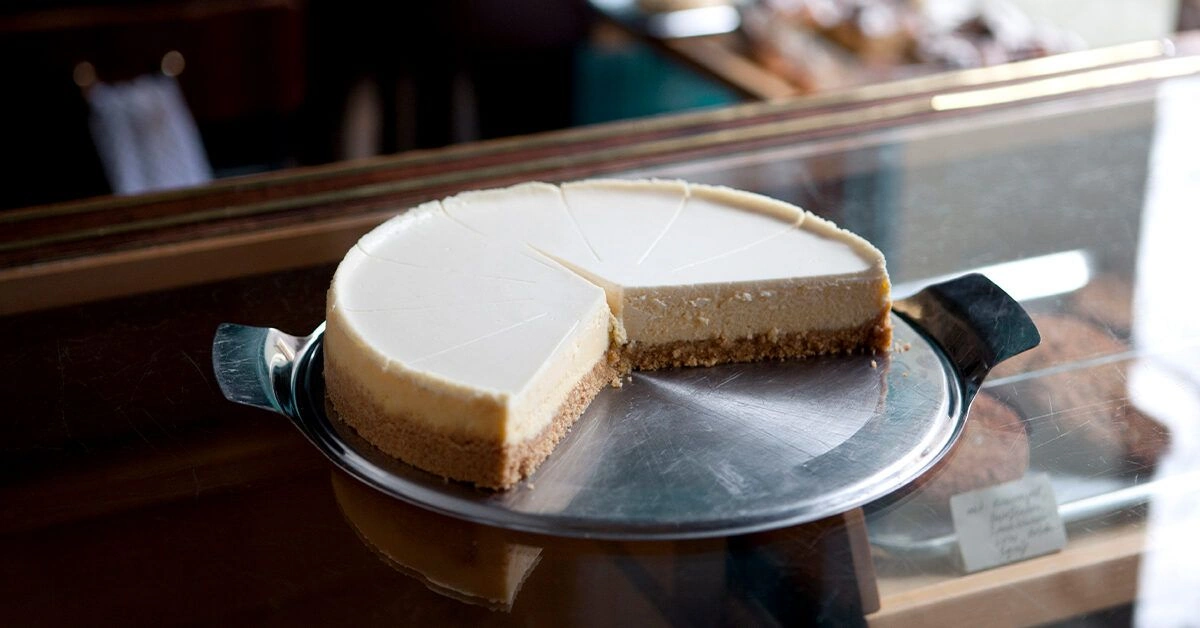
With its smooth mouthfeel and sugary allure, cheesecake ranks high on many people’s dessert wish lists.
Typically, cheesecake is built from a cheese-based layer — most often cream cheese, ricotta, or cottage cheese — combined with eggs and sugar.
Some versions include a bottom crust made from crushed biscuits such as graham crackers or pastry crumbs.
The traditional cheesecake is usually scented with vanilla, but you’ll find variations ranging from chocolate to pumpkin spice.
While cheesecake is undeniably tasty, some may question whether it can be part of a balanced diet. Good news: it can, in moderation.
This piece examines the nutrition of cheesecake and offers recipe ideas for fans, including dairy-free and low-carb options.
Nutritional profile of cheesecake
It’s no surprise that classic cheesecake tends to be rich in calories, fats, and carbohydrates — after all, cheese, eggs, and sugar are its main components.
Still, nutritional values can vary between cheesecakes based on the ingredients used.
Below is a comparison table showing nutrition facts for four kinds of cheesecake: a plain commercial cheesecake, a keto-style cheesecake, a chocolate-flavored cheesecake, and a dairy-free cheesecake (1 , 2 , 3, 4).
| Chocolate cheesecake (100-gram slice) | Regular (plain) cheesecake (100-gram slice) | Enlightened Keto Classic Cheesecake (80-gram cheesecake) | Daiya Dairy-Free New York Cheezecake (130-gram slice) | |
| Calories | 388 | 321 | 210 | 480 |
| Fat | 24.1 grams | 22.5 grams | 20 grams | 31 grams |
| Carbs | 38.8 grams | 25.5 grams | 18 grams (2 net carbs) | 47 grams |
| Protein | 5.29 grams | 5.5 grams | 4 grams | 3 grams |
In general, most cheesecakes are calorie-dense, rich in fat and carbohydrates, and supply some protein from dairy and eggs.
Because many cheesecakes are sweetened, they often include substantial quantities of added sugar. For instance, the chocolate cheesecake above contains 21.2 grams of added sugar per 100-gram serving — over five teaspoons (1 ).

Some cheesecakes are sweetened with low- or zero-calorie alternatives like erythritol or allulose to suit lower-carb diets.
These options typically have far fewer carbs than traditional cheesecakes and can be lower in calories as well.
Since cheesecake is usually dairy-based, which doesn’t fit everyone’s dietary choices, some brands produce vegan cheesecakes using ingredients such as coconut and pea protein.
But dairy-free doesn’t automatically mean fewer calories or less sugar than a conventional cheesecake.
In fact, the vegan example listed is the most calorie-heavy and has the same sugar content as the chocolate version, though its serving size is larger than the other examples in the table.
That’s why checking nutrition labels and ingredient lists is important when selecting a cheesecake.
Overall, classic cheesecake is a high-calorie, high-sugar, and high-fat treat.
Summary: Like most desserts, cheesecakes are generally high in calories, carbs, fats, and sugar. The precise nutrition depends on the ingredients chosen.
Is cheesecake healthy?
Many foods aren’t made primarily for their health value but rather for enjoyment.
As with desserts such as ice cream or pie, cheesecake is not typically eaten for its nutrient density.
Yes, cheesecake provides nutrients such as protein, calcium, and selenium, but it’s also energy-dense and high in fat and sugar, so it shouldn’t be a large part of your regular meals (2 ).
That said, cheesecake does not have to be completely off-limits. Small portions of desserts, including cheesecake, can fit into most eating patterns.
If you maintain an overall nutritious diet and enjoy cheesecake occasionally, it’s unlikely to have a major impact on your health.
Conversely, frequent consumption of sugary treats like cheesecake can be detrimental and raise disease risk.
If your usual diet includes a lot of sweets, sodas, and heavily processed snacks, consider reducing these items and replacing them with nutrient-rich choices like fruits, vegetables, and legumes.
This swap may lower your risk of conditions associated with high added sugar intake and excess calorie consumption, including obesity and type 2 diabetes (5 , 6 ).
Summary: Cheesecake isn’t a nutrient-dense food, but it can be enjoyed in moderation within a balanced diet. Occasional indulgence shouldn’t notably harm your health.
Downsides of eating cheesecake
Most cheesecakes are laden with calories, fats, and sugars.
Eating sugary desserts too frequently can have several negative health consequences.
High in calories
Cheesecake often contains calorie-rich ingredients such as cream cheese, sour cream, and butter.
Because of this, a single slice can be surprisingly caloric.
For example, a Caramel Pecan Turtle Cheesecake slice from the chain The Cheesecake Factory can contain 1,330 calories — more than half of the daily calories many people need to maintain their weight (7 , 8).
While an occasional slice won’t drastically change your weight, routinely eating high-calorie desserts can lead to unwanted weight gain.
Try sharing a slice with someone or eating half and saving the rest for later to help manage calorie intake.
Rich in sugar
Many cheesecakes are loaded with added sugars, and a single portion can exceed recommended daily added-sugar limits.
The American Heart Association advises that adult men and women limit added sugar to no more than 9 teaspoons (36 grams) and 6 teaspoons (25 grams) per day, respectively (9).
One 113-gram slice of Favorite Day Triple Chocolate Cheesecake contains 30 grams of added sugar, which equals about 7.5 teaspoons (10).
As you can see, sugar accumulates quickly, and it’s easy to go beyond recommended amounts — especially if you frequently consume foods like cheesecake.
Excess added sugar intake can harm health in various ways, from increasing risk of liver problems to raising levels of harmful visceral fat around organs (11 , 12 , 13 ).
High visceral fat is associated with greater risk of diseases, including heart disease, in both adults and children (14 , 15 , 16 ).
Some types are highly processed
Homemade cheesecakes generally use straightforward ingredients like eggs, cream cheese, sour cream, and sugar.
Conversely, store-bought cheesecakes may include fillers, stabilizers, artificial colors, sweeteners, and flavorings that some prefer to avoid.
As a rule, ultra-processed foods such as commercial cheesecakes should be limited within a healthy eating pattern.
Diets high in ultra-processed items have been associated with multiple health problems, such as elevated risks of heart disease, obesity, and type 2 diabetes (17 , 18 , 19 ).
Summary: Cheesecakes are typically high in calories and added sugars, and some varieties are heavily processed. Like other indulgent desserts, limit them and enjoy only occasionally.
Healthier recipes for cheesecake lovers
If you adore cheesecake, you might wonder if it’s possible to make a lighter version by tweaking the ingredients.
Some people need alternatives that match dietary preferences like paleo or low-carb.
Luckily, there are recipes that cut back on sugar and swap in more wholesome ingredients to create delightful cheesecake-like desserts.
For those avoiding dairy, there are dairy-free — even vegan — cheesecake recipes available.
Dairy-free cheesecake recipes
Many enjoy cheesecake’s flavor but must or choose to avoid dairy. Thankfully, you can make creamy cheesecakes without dairy.
Remember that vegan or paleo labels don’t automatically mean a product is healthier; plant-based options can still be high in calories and sugar.
Below are some tasty dairy-free cheesecake recipes for people who can’t or won’t eat dairy.
- Paleo Cheesecake: This Paleo Cheesecake recipe is both dairy- and grain-free. It achieves creaminess from coconut milk and cashews — ideal for paleo followers.
- Vegan Cheesecake: For a flexible vegan option, try the 7-Ingredient Vegan Cheesecake. The simple base can be flavored with peanut butter, bourbon caramel, or blueberries to suit tastes.
Low-carb cheesecake recipes
For those on lower-carb plans, cheesecake can still be an option if it’s sweetened with sugar substitutes like monk fruit.
These lower-carb desserts may also be suitable for people with diabetes.
Here are a couple of low-carb cheesecake ideas:
- Keto cheesecake: This keto cheesecake uses almond flour, cream cheese, eggs, and monk fruit to create a tasty low-carb dessert. It delivers about 5 net carbs per serving, making it a solid keto-friendly treat.
- No-bake keto cheesecake bites: If baking isn’t your thing, try these no-bake Keto Cheesecake Bites. They’re made with low-carb ingredients and contain roughly 1 gram net carb per serving.
These recipes offer helpful alternatives for specific diets or for anyone wanting to cut added sugar, but there’s no harm in enjoying traditional cheesecake occasionally.
If cheesecake is your preferred dessert, savor it — just keep portion sizes and frequency in check like you would with any other rich, sugary treat.
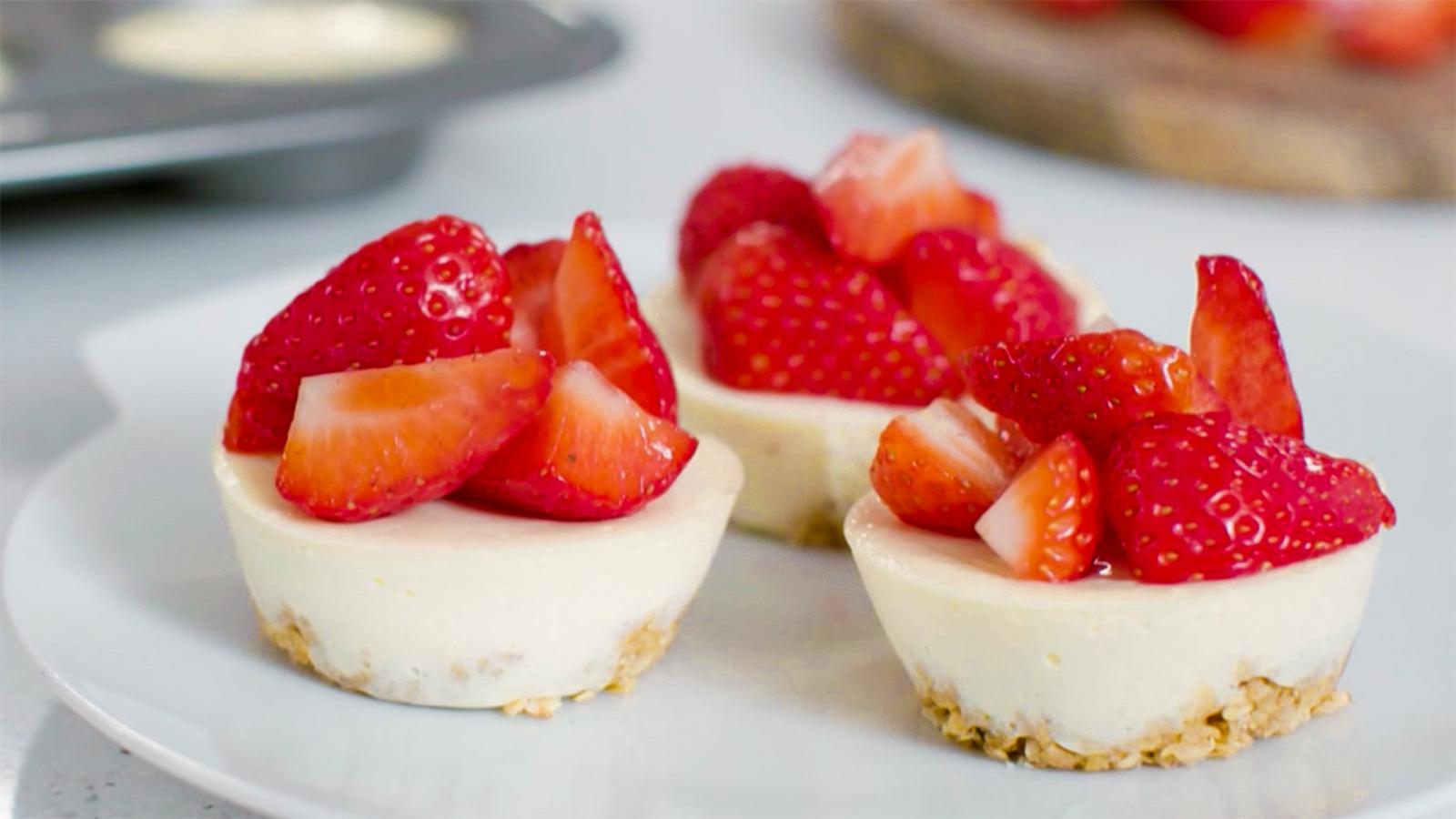
Summary: It’s possible to make lower-carb cheesecakes and to use ingredients like cashews and coconut for dairy-free alternatives.
The bottom line
Cheesecake is a rich, sweet dessert typically made from cream cheese, eggs, and sugar.
Because it’s high in calories, sugars, and fats, cheesecake should be limited in your diet, similar to other desserts. That said, enjoying it occasionally as part of a balanced eating pattern is fine.
If you’d like lower-carb, vegan, or paleo cheesecake options, numerous recipes are available online to match those preferences.
Just one thing
Try this today: Looking for easy ways to cut back on added sugar? Check out this article, which outlines practical tips to reduce added sugar in your diet.
Frequently Asked Questions
Cheesecake is calorie- and sugar-dense, so it’s not ideal for regular consumption. Enjoying small portions occasionally can fit into a balanced diet, but frequent intake may raise risks related to weight gain and metabolic disease.
Yes. Keto and low-carb cheesecakes use low-carb sweeteners (like erythritol or monk fruit) and nut-based crusts, reducing net carbs and often calories compared with traditional recipes.
Not necessarily. Dairy-free or vegan versions can still be high in calories and sugar. Always check ingredient lists and nutrition facts—some plant-based alternatives can be as energy-dense as regular cheesecakes.
Use lower-sugar sweeteners, replace part of the cream cheese with Greek yogurt or ricotta, make a nut-based crust instead of buttery pastry, and control portion sizes to reduce calories and added sugar.
Cheesecakes are typically high in calories, saturated fat, and added sugars. They may also be highly processed if store-bought, so consuming
Frequently Asked Questions
Is cheesecake healthy to eat regularly?
Cheesecake is calorie- and sugar-dense, so it’s not ideal for regular consumption. Enjoying small portions occasionally can fit into a balanced diet, but frequent intake may contribute to weight gain and increased disease risk.
Yes—by using cream cheese, almond flour crusts, and low-carb sweeteners like erythritol or monk fruit, you can make keto-friendly cheesecakes that are much lower in net carbs.
Not necessarily. Dairy-free or vegan cheesecakes can still be high in calories and sugar, depending on ingredients like coconut, nut butters, or added sweeteners. Check labels and recipes to compare nutrition.
Reduce sugar or swap in low-calorie sweeteners, use lighter dairy options (Greek yogurt or reduced-fat cream cheese), trim portion sizes, and choose crusts made from nuts or oats instead of butter-heavy pastry.
A modest slice (about 60–100 grams) or sharing a standard slice can help manage calories and sugar. Pairing cheesecake with fruit or savoring a smaller serving can make it more compatible with healthy eating goals.
Read Next
Barley Tea: Nutrition, Benefits, and Side Effects
Low Sodium Frozen Meals: The Best Brands and 21 Dietitian-Approved Options
The 11 Best Keto Frozen Meals
9 Powerful Health Benefits of Cumin
Spinach 101: Nutrition Facts and Health Benefits
15 Packaged Pasta Alternatives: Our Tasting Notes Plus a Dietitian’s Take
Related Posts
Does My Chocolate Craving Mean Anything?
Oct 8, 2026 • 36 min read
What Causes Love Handles and How To Get Rid of Them
Sep 20, 2026 • 11 min read
21 Homemade Baby Food Recipes
Sep 27, 2026 • 13 min read
What Is Cupuaçu? Benefits and Uses
Aug 13, 2026 • 17 min read
Is Coconut Kefir the New Superfood?
Oct 2, 2026 • 5 min read