10 Potential Health Benefits of Bee Pollen

- 1. Nutrient-dense with more than 250 active compounds
- 2. Rich in antioxidants that may shield against free radicals and chronic conditions
- 3. May reduce heart disease risk factors like elevated blood lipids and cholesterol
- 4. May shield the liver from toxins and disease
- 5. Contains multiple compounds with anti-inflammatory effects
- 6. May strengthen immunity and combat bacteria
- 7. May promote wound healing and help prevent infections
- 8. May exhibit anticancer activities
- 9. May relieve menopausal symptoms like hot flashes
- 10. Generally safe for most people and easy to incorporate into your diet
- The bottom line
The vitamins, minerals, antibiotics, and antioxidants found in bee pollen might provide certain health advantages. Nevertheless, further human trials are required to verify these effects.
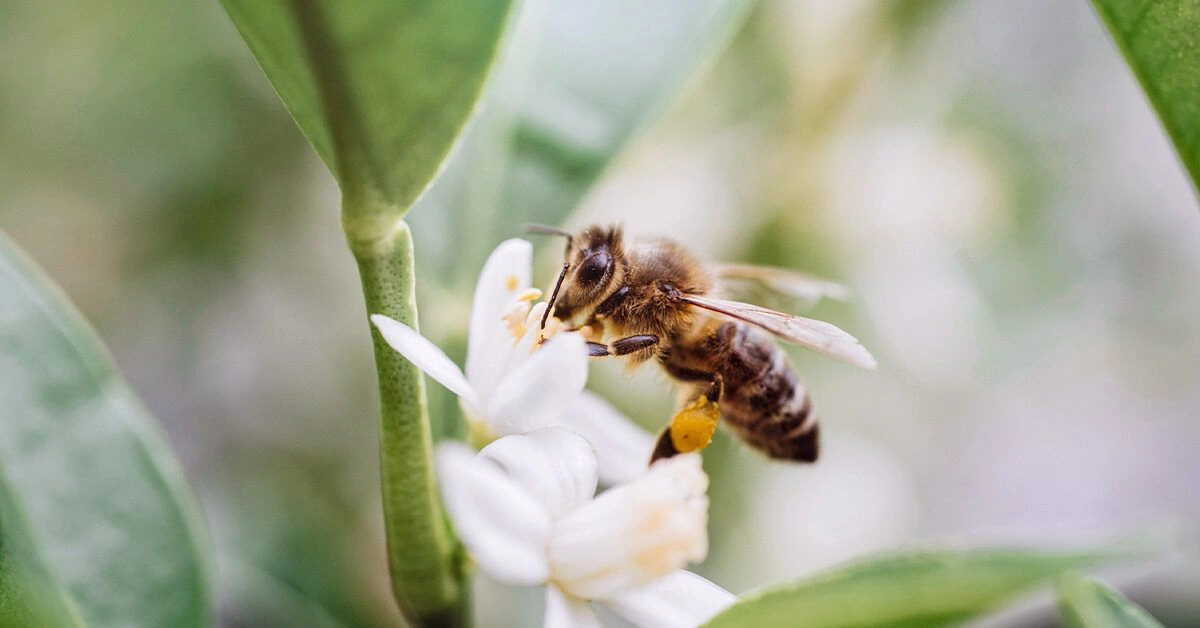
Bee pollen is a blend of flower pollen, nectar, enzymes, honey, wax, and bee secretions. Foraging honey bees gather pollen from plants and bring it back to the hive, where it’s stored and used as nourishment for the colony.

Bee pollen should not be conflated with other bee-derived products such as honey, royal jelly, or honeycomb. Those items may lack pollen or contain different substances.
Recently, bee pollen has become popular in wellness circles because it’s rich in nutrients, amino acids, vitamins, lipids, and over 250 active compounds .
Numerous studies have explored the health impacts of bee pollen and shown encouraging outcomes. This article outlines 10 possible benefits of bee pollen and the research supporting them.
1. Nutrient-dense with more than 250 active compounds
Bee pollen displays a notable nutrient profile. It includes over 250 biologically active compounds, such as :
- proteins
- carbohydrates
- lipids
- fatty acids
- vitamins
- minerals
- enzymes
- antibiotics
- antioxidants
Importantly, the nutrient makeup of bee pollen varies based on the plant source and the season when it’s gathered.
For instance, pollen collected in spring shows a markedly different amino acid profile compared with pollen harvested in summer.
Summary: Bee pollen contains over 250 biological compounds—proteins, carbs, fats, vitamins, minerals, enzymes, and antioxidants. Its precise nutrient composition depends on the plant origin and collection season.
2. Rich in antioxidants that may shield against free radicals and chronic conditions
Bee pollen is abundant in diverse antioxidants, including:
- flavonoids
- carotenoids
- quercetin
- kaempferol
- agglutination
Antioxidants defend your body from potentially damaging molecules called free radicals. Free-radical damage is associated with chronic illnesses such as cancer and type 2 diabetes.
A 2015 study reported that bee pollen antioxidants can dampen chronic inflammation, eliminate harmful bacteria, combat infections, and inhibit tumor growth and spread.
A 2021 study indicated that bioactive components in bee pollen may help prevent and manage a variety of chronic ailments, especially metabolic disorders like diabetes, obesity, dyslipidemia, and cardiovascular complications. Still, researchers advise more investigations to clarify bee pollen’s preventive role.
Keep in mind that the antioxidant levels in bee pollen depend on the plant source. If the label doesn’t specify the source, it can be hard to know where the pollen originated.
Summary: Bee pollen is rich in a variety of antioxidants that may protect cells from free-radical damage linked to chronic diseases, including cancer and type 2 diabetes.
3. May reduce heart disease risk factors like elevated blood lipids and cholesterol
Heart disease remains the top cause of death globally .
High blood lipids and cholesterol are associated with heightened heart disease risk. Notably, bee pollen might help lower these risk markers.
For example, animal experiments, including this 2017 study and this 2018 study , demonstrated that bee pollen extracts can reduce blood cholesterol levels, particularly LDL (bad) cholesterol.
Moreover, antioxidants present in bee pollen may prevent lipid oxidation . Oxidized lipids can aggregate, narrowing blood vessels and increasing cardiovascular risk.
Summary: Bee pollen may assist in lowering heart disease risk factors such as LDL cholesterol and lipid oxidation.
4. May shield the liver from toxins and disease
The liver is essential for breaking down and removing toxins from your bloodstream.
Animal research, like this 2021 study , has found bee pollen could be effective against hepatitis and nonalcoholic fatty liver disease.
The same study also suggested that bee pollen antioxidants might protect the liver from damage caused by various toxic agents, including drug overdoses. A 2016 study also reported that bee pollen may aid liver recovery.
However, only a handful of human studies have evaluated bee pollen’s effects on liver health. More clinical research is necessary to make firm recommendations.
Summary: Animal data indicate bee pollen may support liver function and defend it from harmful substances. Additional high-quality human trials are required.
5. Contains multiple compounds with anti-inflammatory effects
Traditionally, bee pollen has been used to ease inflammation and swelling.
Indeed, a 2015 animal study compared its anti-inflammatory activity with several NSAIDs, such as phenylbutazone, indomethacin, analgin, and naproxen.
A 2024 in vitro study reported that bee pollen from acorn and darae (a kiwi type) showed anti-inflammatory and antioxidant actions. Researchers from that study suggested bee pollen could be a promising substitute for current anti-inflammatory agents like NSAIDs and corticosteroids, though more research is necessary to confirm this.
Bee pollen contains several compounds that reduce inflammation and swelling, including the antioxidant quercetin , which decreases production of inflammatory omega-6 fatty acids such as arachidonic acid.
Additionally, plant-derived compounds in bee pollen may inhibit pathways that stimulate production of inflammatory mediators like tumor necrosis factor (TNF).
Summary: Animal and lab studies indicate bee pollen antioxidants may exert potent anti-inflammatory effects.
6. May strengthen immunity and combat bacteria
Bee pollen might enhance immune function, helping protect against illnesses and adverse reactions.
Several laboratory studies, including a 2021 review and this 2021 research , confirm bee pollen has significant antimicrobial activity.
Bee pollen extracts have been shown to kill potentially harmful bacteria such as E. coli, Salmonella, Pseudomonas aeruginosa, and strains that cause staph infections.
Summary: Animal and in vitro studies suggest bee pollen antioxidants may lessen the severity and onset of infections and kill several pathogenic bacteria.
7. May promote wound healing and help prevent infections
Thanks to its anti-inflammatory and antioxidant qualities, bee pollen may support wound repair.
For example, a 2016 animal study found bee pollen extract to be comparably effective in treating burn wounds as silver sulfadiazine, a standard burn therapy, while producing far fewer side effects.
A more recent 2022 study showed that propolis (a bee-produced compound) benefits healing of traumatic and surgical wounds. Propolis provided pain relief, antibacterial action, promoted skin regeneration, and reduced scarring.
Bee pollen’s antimicrobial traits may also help prevent infections—a leading factor that can impair healing of cuts, scrapes, abrasions, and burns.
Summary: Bee pollen’s anti-inflammatory and antioxidant properties may aid wound healing, and its antimicrobial effects may help prevent wound infections.
8. May exhibit anticancer activities
Bee pollen could have potential in cancer prevention and treatment, as cancer arises from abnormal cell growth.
Test-tube studies, such as this 2013 study and this 2017 study , found bee pollen extracts inhibited tumor growth and induced apoptosis (programmed cell death) in prostate, colon, and leukemia cell lines.
Bee pollen from cistus (Cistus incanus L.) and white willow (Salix alba L.) may also possess anti-estrogenic effects, which could reduce risk for breast, prostate, and uterine cancers.
Still, more research in humans is needed.
Summary: Laboratory studies imply bee pollen may lower the risk of several cancers, but additional human trials are necessary.
9. May relieve menopausal symptoms like hot flashes
Menopause—the end of menstrual cycles—often brings unpleasant symptoms such as hot flashes, night sweats, mood swings, and sleep disruption.
Some studies indicate bee pollen may help ease menopausal symptoms.
In a 2015 study of women with breast cancer, 71% of participants reported improvement in menopausal symptoms while using bee pollen.
A 2020 study also observed that adding bee pollen, propolis, and royal jelly to honey effectively reduced menopausal complaints.
However, larger and more rigorous studies are required to confirm these findings.
Summary: Some evidence suggests bee pollen may ease menopausal symptoms like hot flashes, but further research is needed.
10. Generally safe for most people and easy to incorporate into your diet
Bee pollen is available as granules or supplements and is safe for the majority of people.
You can buy it at health-food shops or from local beekeepers. The granules can be sprinkled on yogurt, added to breakfast dishes, or blended into smoothies.

However, if you are allergic to pollen or bee stings, avoid pollen products, as they may trigger itching, swelling, breathing difficulties, or anaphylaxis.
Bee pollen may also interact adversely with blood thinners like warfarin (Jantoven).
Pregnant or breastfeeding individuals and children under 2 should avoid bee pollen due to insufficient safety data in these groups.
Summary: Bee pollen supplements are typically safe for most people. However, those with pollen or bee-sting allergies, infants under 2, pregnant or breastfeeding individuals, and people on blood thinners should avoid them.
The bottom line
Bee pollen is rich in vitamins, minerals, and antioxidants, making it a nutritious addition to your diet and readily available from health stores or local beekeepers.
Research links bee pollen and its constituents to benefits like reduced inflammation, improved immune response, and enhanced wound healing.
Still, much of the supporting evidence comes from laboratory and animal studies. More clinical research in humans is necessary to confirm these potential health benefits.
Frequently Asked Questions
Bee pollen is a mixture of flower pollen, nectar, enzymes, honey, wax, and bee secretions collected by foraging honey bees and used as nourishment in the hive.
Research suggests bee pollen may provide antioxidants, anti-inflammatory effects, immune support, wound-healing properties, and possible improvements in lipid profiles and liver protection, though much evidence is from lab and animal studies.
Bee pollen granules can be sprinkled on yogurt, added to cereals, blended into smoothies, or taken as supplements; start with small amounts to check for reactions.
People with pollen or bee-sting allergies, infants under 2, pregnant or breastfeeding individuals, and those on blood thinners should avoid bee pollen or consult a healthcare provider first.
Allergic reactions can range from mild itching to anaphylaxis. Bee pollen may interact with blood thinners like warfarin. Always consult a healthcare professional before starting supplements.
Read Next
9 of the Best Keto-Friendly Protein Bars You Can Buy

Olives 101: Nutrition Facts and Health Benefits

Is Polypropylene a Safe Plastic to Use in Your Home?
Carbohydrates in Brown, White, and Wild Rice: Whole vs. Refined Carbs

What Is the Budwig Diet, and Does It Prevent Cancer?

What Is Cupuaçu? Benefits and Uses
Related Posts

Calorie Counts for Fried Rice: Vegetable, Beef, Chicken, Pork, and Shrimp
Aug 5, 2026 • 18 min read
9 Powerful Health Benefits of Cumin
Aug 22, 2026 • 7 min read
Reviews of the Top Diabetes Cookbooks
Sep 26, 2026 • 30 min read
Is Coconut Kefir the New Superfood?
Oct 2, 2026 • 11 min read
How Many Calories Are in an Egg?
Aug 26, 2026 • 16 min read