Is Polypropylene a Safe Plastic to Use in Your Home?

Polypropylene is a type of plastic used in a wide array of items, including containers for food storage. You can identify it by the number 5 inside a triangle stamped on the base. It’s widely regarded as one of the safer plastics and is not associated with known cancer-causing effects.
Plastic surrounds us — almost everything we eat, drink, or own either contains plastic or is packaged in it. Some plastics, especially those containing BPA or other harmful additives, can have adverse effects on health and the environment.
Polypropylene, a versatile polymer, is generally viewed as safe for human use. But what exactly do we understand about this prevalent material?
What is polypropylene and where is it used?
Polypropylene is a plastic polymer. Among commercially available plastics, it’s considered a relatively safe option.
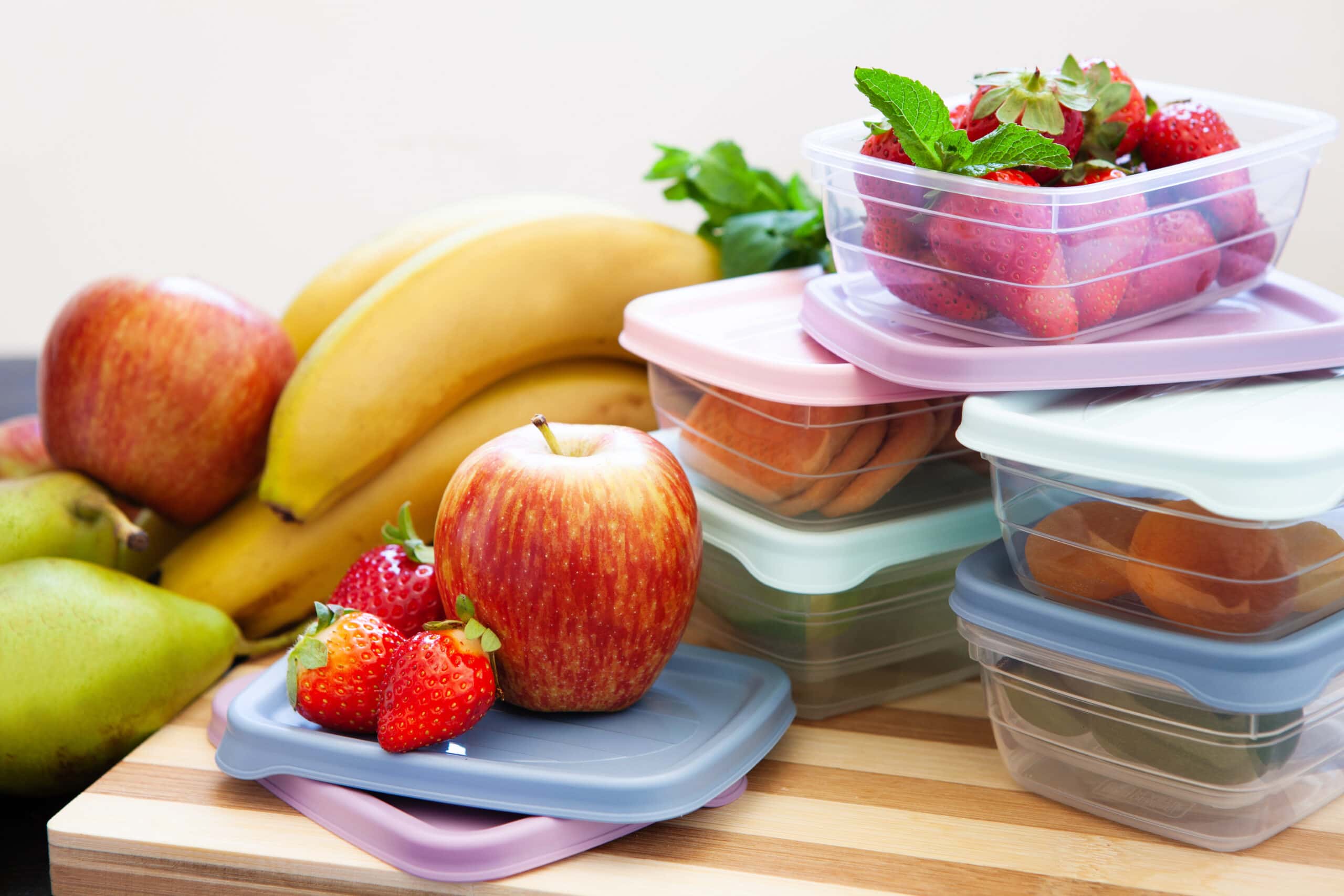
The FDA has approved polypropylene for contact with food, so it’s commonly found in containers for products such as yogurt, cream cheese, and butter. Its resistance to heat makes it a frequent choice for packaging items that may be reheated in a microwave.
Polypropylene is also used in certain surgical instruments and implants, and its fibers are commonly woven into area rugs for indoor and outdoor use.
Is polypropylene safe?
Produced from petroleum, polypropylene is viewed by the Environmental Protection Agency (EPA) as a safer alternative to some other plastics. It has no established link to human cancer and is less flammable in fabrics than wool.
However, some newer studies point to potential toxicity in specific polypropylene items.
A 2019 study examined many plastic types across a variety of goods. The researchers reported that the toxicity of a given plastic can differ significantly between products because of variations in manufacturing processes.
In that analysis, certain polypropylene products were found to influence androgen hormones and to trigger toxic or stress responses in cells.
Further study is necessary, since plastics are chemically intricate and each product may behave differently.
So far, this research hasn’t prompted changes to the FDA’s or EPA’s guidance on polypropylene use.
Does polypropylene contain BPA?
Bisphenol A (BPA) is a chemical used to make polycarbonate plastics and epoxy resins, which are sometimes used to coat the insides of cans and water pipes.
BPA can leach into food and water. In a CDC study , over 93 percent of urine samples tested contained detectable BPA levels.
Although the FDA maintains that low levels of BPA are safe, some environmental and health professionals worry that BPA exposure could affect brain development, immune function, learning, reproduction, and other health aspects.
Concerns about BPA have driven the development of various BPA-free plastics. Polypropylene is one such plastic that does not contain BPA.
What are the other common plastics?
To help consumers and recycling facilities, plastic items typically carry a resin identification code.
This code appears as a number from 1 to 7 on the bottom of the package, enclosed by arrows forming a triangle.
Polypropylene is identified by the number 5. Here’s a quick overview of resin codes and what they mean:
| Name | Resin ID | Found in | What to know |
| Polyethylene terephthalate (PET) | 1 | Water and beverage bottles, condiment containers | Generally safe, though at high temperatures it can release antimony, a metal. |
| High-density polyethylene (HDPE) | 2 | Jugs and bottles, plastic bags | Emits low levels of chemicals that may have estrogenic effects. |
| Polyvinyl chloride (PVC) | 3 | Processed meat containers, heavy-duty bedding bags, some toys | May contain toxins such as DEHP , which the EPA lists as likely carcinogenic at high exposures. Can also contain dioxins, vinyl chloride, and other harmful substances linked to birth defects, learning issues, hormonal disruption, and cancer. |
| Low-density polyethylene (LDPE) | 4 | Dry cleaner and bread bags, shrink wraps | Mostly regarded as safe. |
| Polypropylene (PP) | 5 | Snack bags, diapers, yogurt tubs | Generally regarded as safe. |
| Polystyrene (PS) | 6 | Styrofoam cups, egg cartons, packing peanuts, some cigarette filters | Styrene , a suspected carcinogen, can migrate from polystyrene, though levels in packaged foods are typically low. |
| Other miscellaneous plastics | 7 | Oven baking bags, various other containers | This category includes plastics not classified elsewhere. It can include BPA-containing materials and is often not considered safe. |
Tips for using plastics safely
Because plastics are so pervasive, getting rid of them entirely is difficult. Below are suggestions to reduce plastic use and lower risk when you do use it:
- Medical experts generally advise against heating food in plastic containers, since heat can increase the chance chemicals will migrate into food. Reheat in glass or metal instead.
- Opt for products labeled “BPA-free” when possible. Try to avoid plastics with recycle codes 3 or 7, unless marked with a leaf symbol (denoting BPA-free). These codes have a higher likelihood of containing BPA or other concerning chemicals.
- Dispose of plastic containers manufactured before 2012. That year the FDA prohibited BPA in sippy cups, baby bottles, and infant formula containers.
- Avoid plastic or coated roasting and steaming bags; heat can cause chemical migration into food from these products.
- Do not refill single-use plastic bottles marked with resin code 1 — they are intended for one-time use only.
- Limit handling of glossy cash register receipts. Advocacy groups like Breastcancer.org note that the shiny coating often contains BPA.
- Consider gradually replacing plastic serving and storage items with glass or metal alternatives. While polypropylene is safer than some plastics, manufacturing plastic products still carries environmental impacts.
The bottom line
Polypropylene is a widely used plastic found in products ranging from rugs to sour cream tubs. It’s generally seen as one of the safer plastics. The FDA has approved its use for food-contact applications, and there’s no known association with cancer.
You can identify polypropylene by the number 5 inside a triangle on the underside of a container.
If you’re worried about potential chemical migration from a polypropylene item, take steps to reduce exposure: transfer food to glass or metal before heating, and avoid reusing containers designed for single use.
Frequently Asked Questions
Yes. Polypropylene (resin code 5) is generally regarded as safe for food contact and is FDA-approved for many food containers, though avoid heating food in plastic to reduce chemical migration.
No. Polypropylene does not contain bisphenol A (BPA), making it a common BPA-free choice for food packaging and reusable containers.
Heat can increase the chance of chemicals migrating from plastic into food. To be cautious, reheat food in glass or metal rather than polypropylene containers, especially if they are not labeled microwave-safe.
Look for the recycling symbol with the number 5 inside the triangle, often stamped on the bottom of containers. That indicates the item is made of polypropylene.
Not necessarily. Safety can vary by product due to additives and manufacturing differences; choose high-quality, food-grade items and avoid old or damaged containers to minimize risk.
Related Posts
What Is Cupuaçu? Benefits and Uses
Aug 13, 2026 • 21 min read
How to Use an Alum Block When Shaving
Aug 7, 2026 • 16 min read
What Is Annatto? Uses, Benefits, and Side Effects
Aug 8, 2026 • 22 min read
Is Ovaltine Healthy? All You Need to Know
Aug 5, 2026 • 15 min read
8 Health and Nutrition Benefits of Jicama
Aug 10, 2026 • 13 min read