What Is Acerola Cherry?

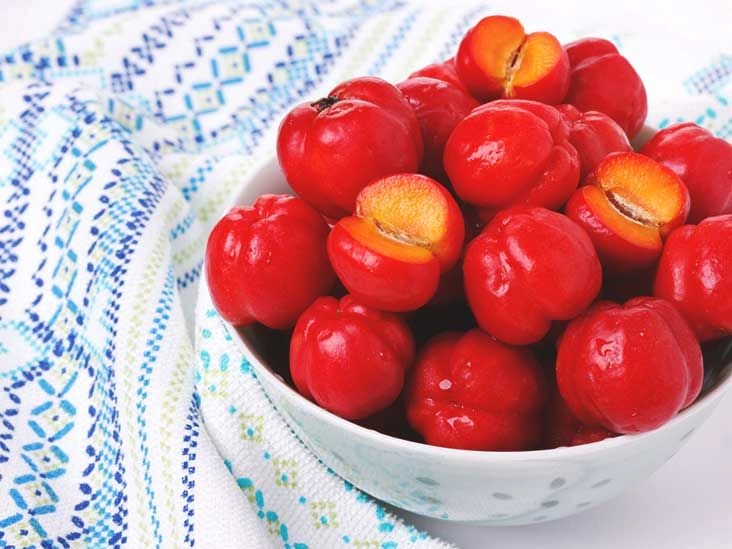
Acerola cherry supplement
Acerola cherry is a shrub native to tropical zones of the Western Hemisphere. It’s often referred to as the West Indies cherry, Barbados cherry, or simply “acerola.” Most evidence points to the plant originating in southern Mexico and parts of the Caribbean.
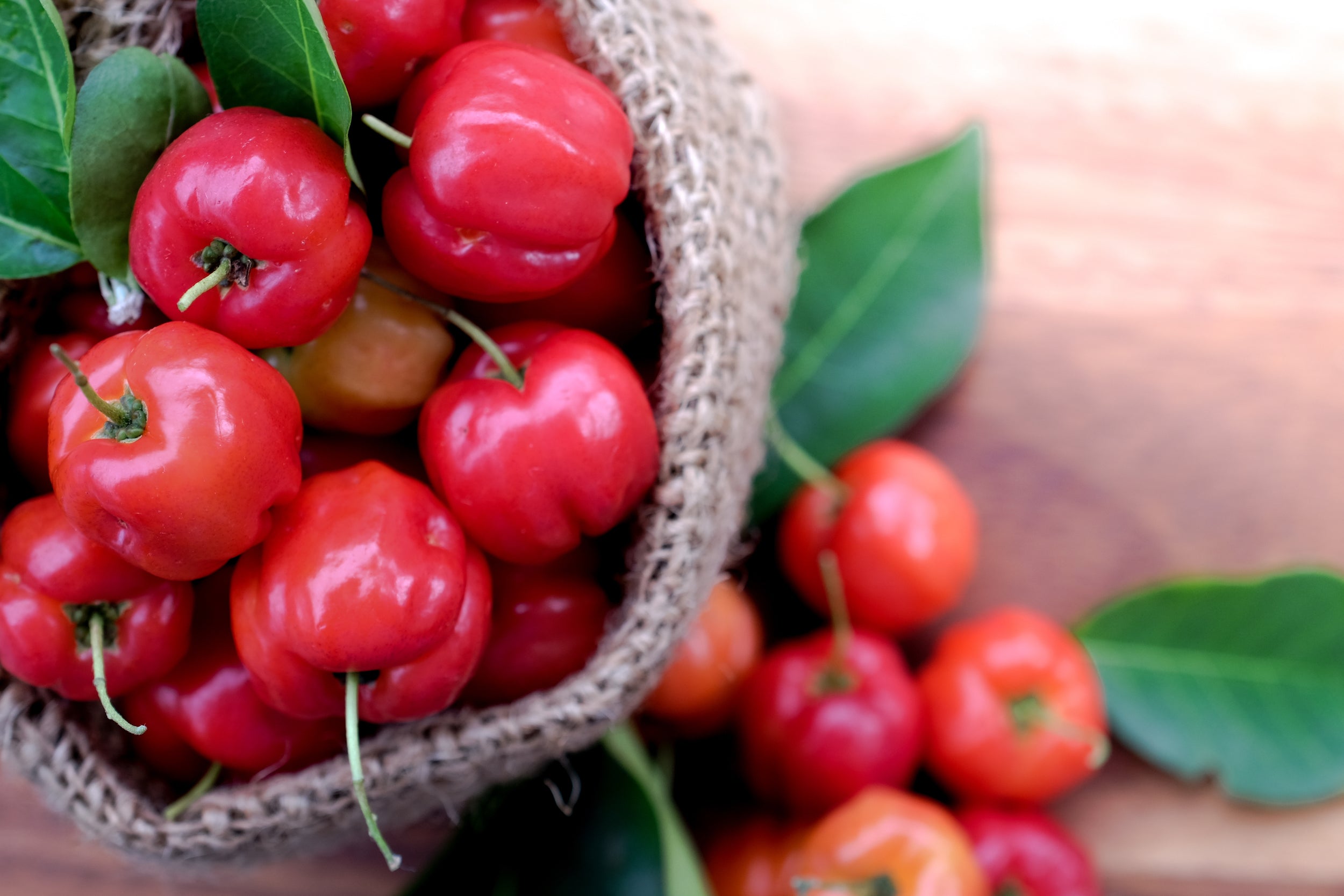
Acerola yields small, cherry-like fruits, though botanically it isn’t a true cherry. These tasty berries have a long history in both contemporary and traditional medicine. Historically they’ve been used for liver complaints, diarrhea, dysentery, coughs, and colds.
Recently, interest has grown in acerola for its high vitamin C content and use as a dietary supplement. Many health claims circulate about this fruit, but not all are supported by solid research.
Why do people take acerola cherry?
Acerola is most famous for its exceptionally high vitamin C concentration. For that reason, many people take it to help prevent or treat colds and flu. It’s also valued as an antioxidant source. Used alongside vitamin C, acerola may be taken to support immune function.
Like witch hazel, acerola has astringent qualities. This may make it useful for addressing skin blemishes, improving skin elasticity, and aiding digestion. It has even been suggested as a natural antimicrobial mouth rinse.
Other reported uses of acerola include:
- antidepressant
- antifungal
- enhanced athletic endurance
- diarrhea
- dysentery
- skin astringent (topical cream)
How do you take acerola cherry?
To obtain health benefits, consume the berry (fruit) of the acerola plant. The flavor is often described as sweet, fragrant, and slightly astringent. It can be eaten fresh or cooked into recipes.
The best option is to cultivate your own because acerola berries spoil rapidly. You can also preserve freshly picked acerola by freezing them immediately.

Most commonly the fruit appears as a supplement, because the berry starts to deteriorate within five days of harvest and loses much of its nutritional value. Even juices spoil quickly unless preservatives are added. Still, eating the fresh fruit is the preferred way to get acerola’s benefits; supplements should be a secondary choice.
Available supplement forms include:
- capsules
- chewables
- liquid extracts (tinctures)
- powders
Powdered acerola is especially popular. Produced from dehydrated and powdered acerola juice, it can be blended into drinks, smoothies, juices, and more. You can also create smoothies from frozen berries.
There is no established clinical guideline for a safe acerola dose. It’s reasonable to follow vitamin C supplementation advice when using acerola at home, since vitamin C accounts for most of the fruit’s nutritional value.
Dosage recommendations can vary by product. If you’re unsure how much to take, follow the label directions on the supplement.
What are acerola’s proven benefits?
Most of acerola’s documented benefits stem from its very high vitamin C content. The fruit loses vitamin C quickly as it ripens — and acerola ripens rapidly.
In one study comparing vitamin C levels across fruits, acerola surpassed the others, particularly when grown organically. It reportedly contains more vitamin C than oranges and strawberries, with only rosehips exceeding it. The berry was also identified as a notable source of vitamin A.
Vitamin C is an essential, water-soluble vitamin that isn’t stored in the body, so daily intake is necessary. Along with vitamin A, vitamin C works as an antioxidant, helping limit free radical damage and reduce risk of certain diseases. Recent research confirms acerola’s strong antioxidant profile.
Vitamin C also supports collagen synthesis, protects mucous membranes, and prevents scurvy. It plays a key role in maintaining immune function and helping the body resist infections, viruses, and potentially even some cancers. Though more investigation is required, one laboratory study showed that cherries rich in antioxidants and vitamin C could help inhibit colon cancer cell growth.
Of the research on acerola, studies addressing vitamin C are the most comprehensive. This supports its use as a natural vitamin C source for cold and flu support. For the other suggested benefits, additional research is needed.
When eaten as food, acerola also provides notable amounts of these nutrients:
- calcium
- iron
- niacin (vitamin B-3)
- phosphorus
- riboflavin (vitamin B-2)
- thiamine (vitamin B-1)
Does acerola cherry have side effects?
It’s possible to consume too much acerola. As with vitamin C supplements, excessive intake may cause digestive upset. To prevent discomfort, follow milligram guidelines similar to those for vitamin C supplements. If the supplement label offers directions, adhere to them. Keep in mind that supplements aren’t regulated by the Food and Drug Administration for quality, purity, packaging, or dosage. Choose products from reputable manufacturers.
Avoid very large doses of vitamin C products and taper off gradually if you’ve been taking high amounts. Sudden cessation of high-dose supplementation can lead to rebound scurvy if the body has adjusted to larger doses.
Excessive intake may produce:
- diarrhea
- stomach cramps
- dizziness or faintness
- flushed skin
- frequent urination
- headaches (including migraines)
- nausea
- vomiting
These effects generally don’t require medical care and are relatively uncommon. Reducing your dose will usually resolve them. Contact your healthcare provider if you’re worried.
Prolonged ingestion of very high quantities of acerola could raise the risk of kidney stones. Seek medical attention promptly if you notice side or lower back pain, which can be a symptom.
People who harvest acerola have reported contact dermatitis in some cases. Otherwise, the fruit is nonpoisonous and safe to eat.
The bottom line
Acerola is used as a traditional remedy for numerous conditions. Evidence supporting its role as a high vitamin C source and natural supplement is robust. The fruit also supplies other vitamins and minerals and is a significant antioxidant provider.
Eating acerola or taking a supplement can help you meet vitamin C requirements and may be particularly useful during cold and flu seasons. For other asserted benefits—such as digestive aid, mood support, or improved athletic performance—more research is necessary to substantiate those claims.
Frequently Asked Questions
Acerola cherry is a tropical shrub fruit (also called Barbados or West Indies cherry) prized for its very high vitamin C content and antioxidant properties.
People eat acerola fresh, frozen, as juice, or in supplemental forms such as powders, capsules, chewables, and liquid extracts.
Its primary proven benefits come from high vitamin C: immune support, antioxidant protection, and contributions to collagen synthesis and skin health.
Excessive intake can cause digestive upset (diarrhea, cramps), headaches, and may raise kidney stone risk; follow product dosing and consult a provider if concerned.
Select products from reputable manufacturers, follow label directions for dosage, and prefer forms with clear sourcing and minimal unnecessary additives.



Related Posts
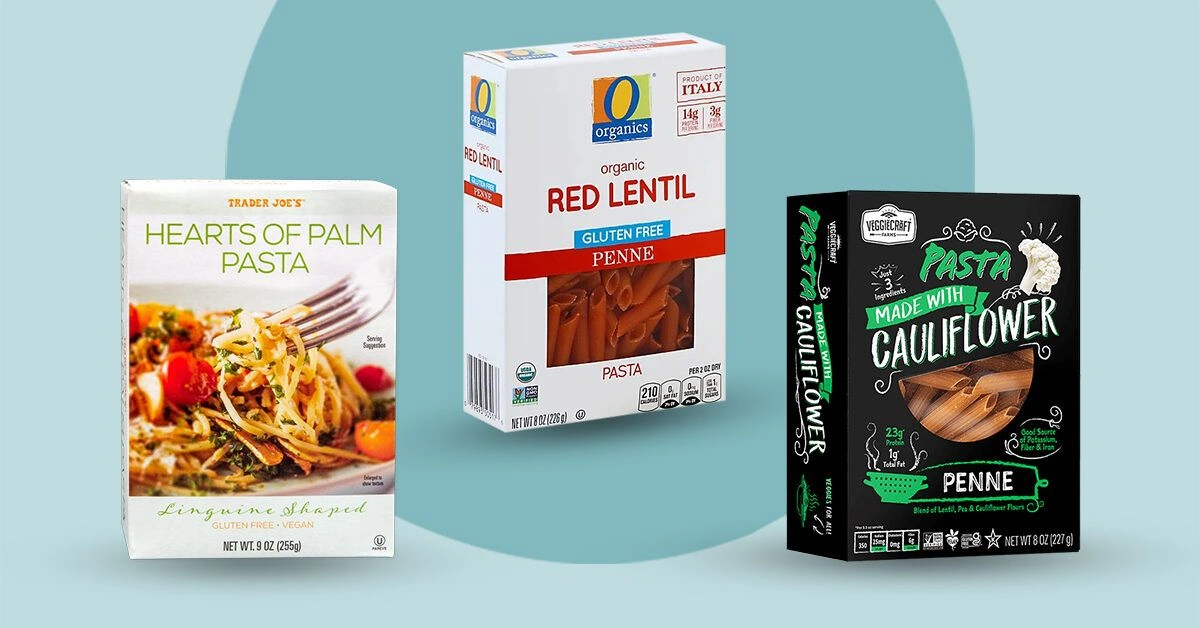
15 Packaged Pasta Alternatives: Our Tasting Notes Plus a Dietitian’s Take
Oct 6, 2026 • 33 min read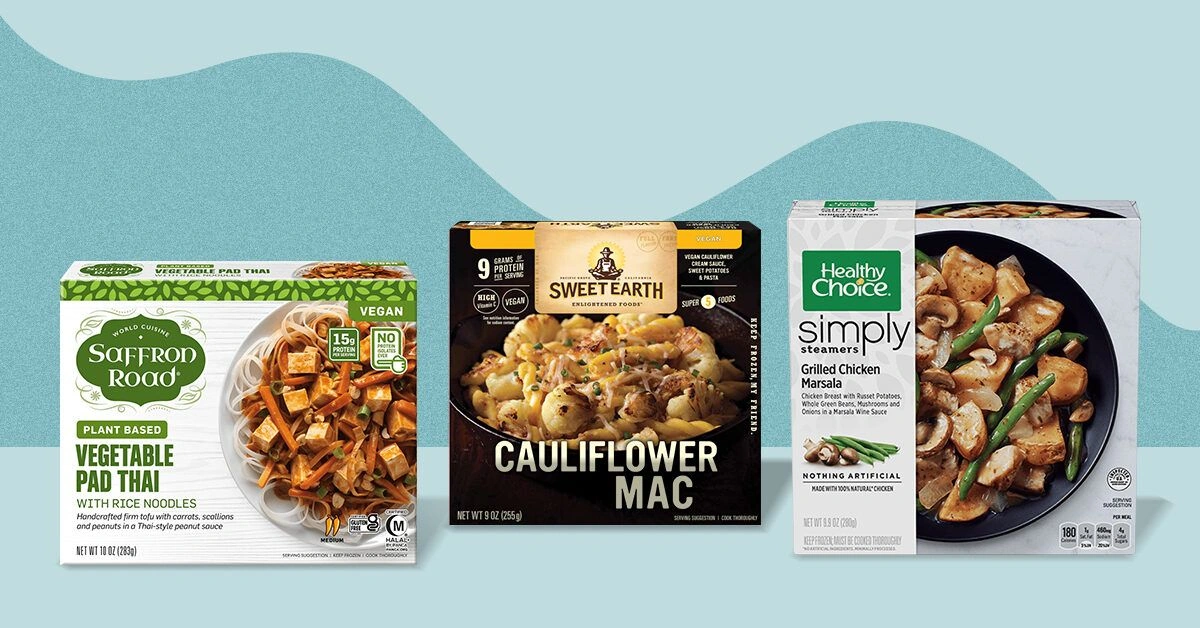
Low Sodium Frozen Meals: The Best Brands and 21 Dietitian-Approved Options
Sep 15, 2026 • 24 min read
How Many Carbs Are in Various Types of Sausage?
Aug 5, 2026 • 3 min read
Understanding the FAST Scale for Dementia
Aug 29, 2026 • 31 min read
What's the Difference Between Kosher and Halal Diets?
Aug 22, 2026 • 7 min read