
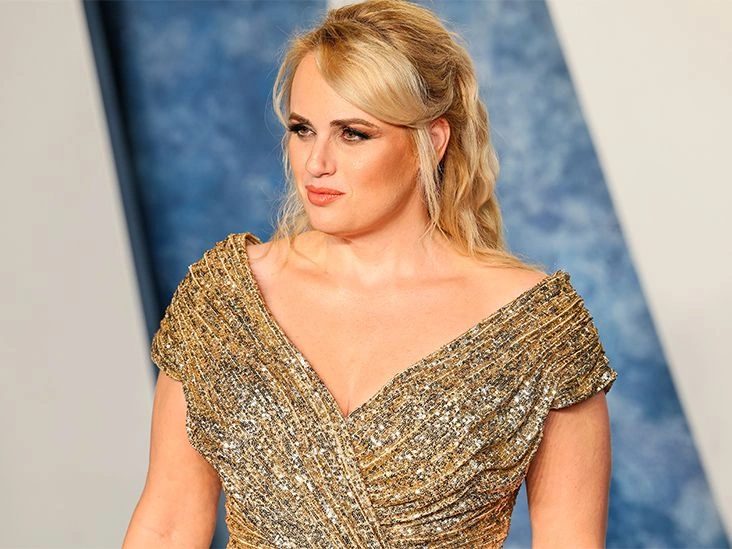

- Rebel Wilson is speaking up about the importance of protecting mental health after experiencing a concussion.
- The actress sustained a concussion while filming and returned to work immediately afterward.
- She now urges others not to “tough it out” following a significant head injury.
Rebel Wilson’s health transformation has inspired countless fans, beginning with her self-declared “Year of Health” in 2020. During that time, she lost 80 pounds and reached her target weight, but more importantly, she committed to sustainable lifestyle adjustments that supported her long-term physical and mental well-being.
Known worldwide for her comedic talent and acting career, Wilson has recently become a vocal advocate for brain health and emotional wellness. After experiencing a concussion, she began emphasizing that people should not simply “walk it off” when it comes to head trauma. She has since partnered with Abbott to support their campaign, Concussion Awareness Now, which highlights the importance of recognizing concussion symptoms and seeking prompt medical care.
Her message resonates broadly—from everyday individuals to professional performers and even Athletes with Huntington’s disease, who may already face neurological challenges and must take extra precautions to safeguard brain function. Prioritizing neurological health is essential for everyone, especially those managing complex conditions or high-impact lifestyles.

We spoke with Wilson about her concussion experience, how it reshaped her outlook, and the daily habits that help her maintain mental clarity and emotional balance.
Can you share with us how you got a concussion?
I got my concussion while filming “Isn’t It Romantic.” It happened early in the morning as we were heading to set. It’s actually a bit embarrassing because I wasn’t performing an elaborate stunt. I was simply walking down a grassy hill. Just seconds after I warned everyone, “Be careful, it’s slippery,” I lost my footing. I slid down, hit the back of my head, and fell straight backward. I was unconscious for a few seconds. After about a minute, I managed to stand up and walk, but an ambulance was called as a precaution. I stayed in the hospital for several hours.
Soon after, I began feeling nauseous, which made me realize something wasn’t right. Doctors later confirmed it was a concussion.
I remember asking, “Can I work?” because I felt obligated to return. We had roughly 500 extras on location that day. So I went back and completed a 16-hour shoot. Over the next several days, I dealt with intense headaches, nausea, and significant neck and shoulder tension.
In hindsight, going back to work immediately was not the right decision. There’s often a mindset of pushing through pain—especially when the injury isn’t visible. But I now understand how crucial rest and medical monitoring are after a head injury.
How has your head injury changed your outlook on life?
Experiencing a concussion made me realize just how vital our health truly is. We only have one body and one brain, and protecting both should be a top priority. When I was younger, I remember a school lecture explaining how alcohol kills brain cells. That lesson stuck with me and influenced my decision to drink minimally. I’ve always known I depend on my brain for creativity, memory, and problem-solving, so brain health matters immensely.
This experience reinforced the importance of advocating for yourself. You have to be willing to say, “My health matters.” In 2020, I committed to my personal “Year of Health,” which meant reevaluating my habits and making meaningful changes. Caring for your brain—through proper rest, nutrition, stress management, and medical attention when necessary—is a central part of overall wellness.
That perspective is especially critical in communities where neurological resilience is already a concern. For example, Athletes with Huntington’s disease or individuals with a family history of neurodegenerative conditions must be particularly mindful of head injuries, as repeated trauma can compound neurological risks. Understanding how brain injuries intersect with long-term neurological health is essential for prevention and informed decision-making.
Can you tell us about your new campaign Concussion Awareness Now?
What I appreciate about this campaign is its straightforward message: if you hit your head, get it checked. Many people underestimate their symptoms or assume they’ll recover without medical input. Concussion Awareness Now encourages individuals to seek evaluation promptly. The website concussionawarenessnow.org offers information about warning signs, treatment guidance, and recovery expectations.
The campaign also features a family of characters called the Melons, which makes the concept easy to understand—especially for younger audiences. Think of your brain like a watermelon. It may feel firm externally, but internally it’s soft and delicate. Even a relatively minor force can cause significant damage.
This creative approach simplifies a serious topic, helping families, coaches, caregivers, and even those researching neurological conditions—such as Famous people with Huntington’s Disease—understand why protecting brain health is so important.
What advice would you give to those who had a concussion and are hesitant to seek help?
I completely understand the pressure to return to normal activities quickly. Many of us have responsibilities and deadlines. But phrases like “tough it out” or “walk it off” can be harmful when dealing with a concussion. There’s also a misconception that only professional athletes need to worry about head injuries. That’s simply not true.
Anyone can sustain a concussion—from a fall, a car accident, or a sports activity. Ignoring symptoms such as headache, dizziness, nausea, confusion, or sensitivity to light can increase the risk of complications. Early medical intervention can prevent more serious outcomes and support a safer recovery process.
This is particularly important for individuals already managing neurological vulnerabilities. Whether someone is researching What famous person died of Huntington’s disease out of personal concern or supporting Athletes with Huntington’s disease, understanding how additional brain trauma may affect long-term health is critical. When it comes to your brain, caution is always the wiser choice.
What emotional or physical practices help you stay mentally well?
Physical movement has consistently supported my mental health. Even at my highest weight, I exercised six days a week. Walking is my favorite activity. It doesn’t have to be intense—just getting outside and moving makes a noticeable difference emotionally and physically.

Since I work as a writer and spend hours looking at screens, stepping outdoors and focusing on nature—trees, fresh air, open space—helps reset my mind. There’s growing evidence that time in nature supports stress reduction and cognitive clarity.
I also practice something called purge emotional writing. For 12 minutes, I write in a stream-of-consciousness format, either at the start or end of the day. This habit began during my “Year of Health” in 2020. Growing up, my family didn’t openly discuss emotions, so this became a private outlet for processing feelings.
The exercise allows me to release anger, frustration, anxiety, or negative thoughts onto paper rather than holding them internally. I always end each entry with gratitude. For instance, even if I’ve vented about a challenging coworker, I’ll conclude with something grounding like, “I’m grateful I have steady work.” That shift in perspective can significantly improve emotional resilience.
Another small but meaningful change I made was replacing nighttime desserts with bubble baths. It’s a healthier ritual that helps me unwind without relying on food for comfort.
As a new mom, how do you find little pockets of time for mindfulness when you’re busy?
Becoming a mom completely changed my routine. I used to focus only on myself, but now my daughter comes first. Personal downtime is limited, yet she’s such a joy that it feels worth it.
I’ve learned to combine mindfulness with daily tasks. For example, when I do squats, I sometimes hold Royce—she doubles as a weight, and she loves it. At 12 pounds, she provides a solid workout! It’s a simple way to integrate strength training and bonding time.
I have tremendous admiration for mothers who balance so much. It’s not easy. I’m fortunate to incorporate activities I enjoy, like taking Royce on walks, which benefits both my mental health and physical activity goals. Having a supportive partner also makes a meaningful difference.
Ultimately, whether you’re recovering from a concussion, striving for better mental health, or navigating the complexities faced by Athletes with Huntington’s disease and others managing neurological conditions, the foundation remains the same: listen to your body, prioritize brain health, and never ignore signs that something may be wrong.














Leave a Reply
You must be logged in to post a comment.