
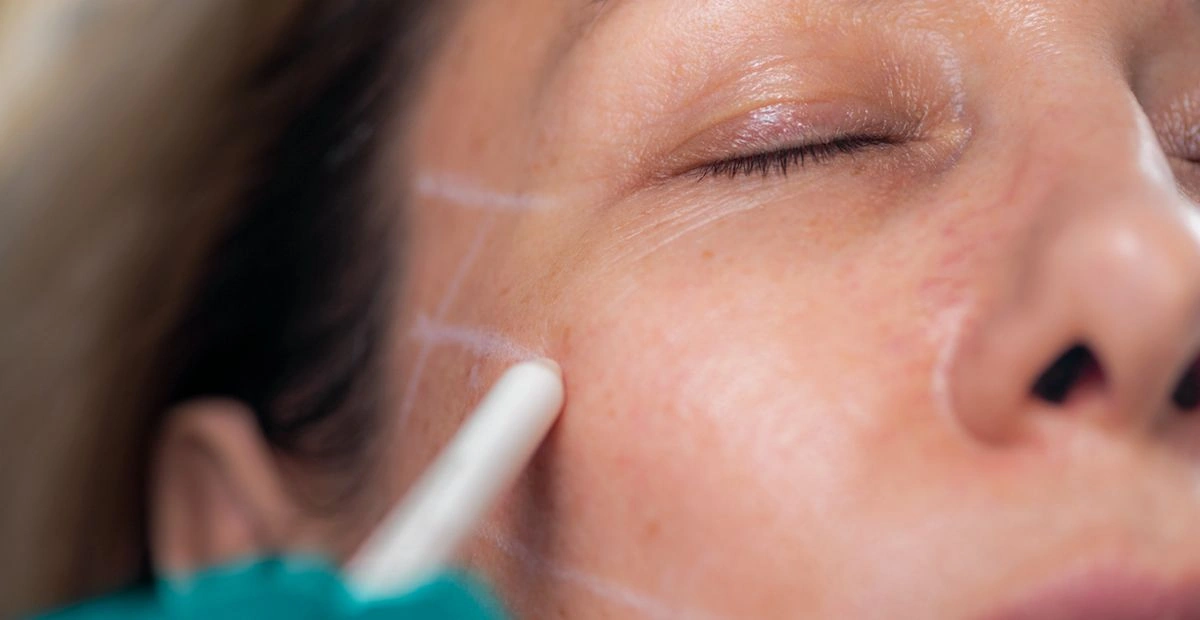
FaceTite merges fat removal with skin-tightening methods to help reshape the face for a firmer, more youthful look.
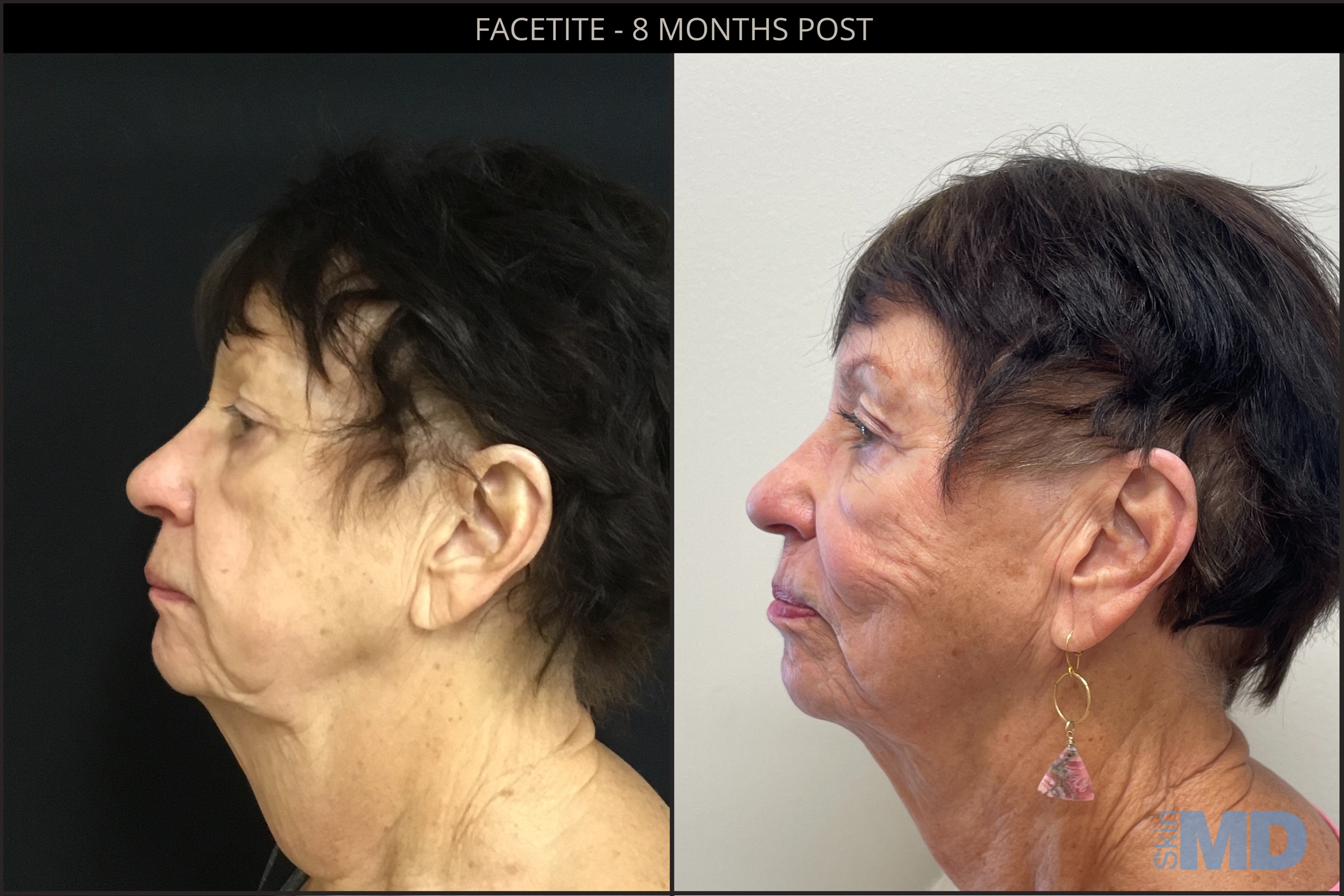
Also referred to as radiofrequency-assisted liposuction (RFAL), it’s a less invasive choice compared with more extensive cosmetic surgeries like traditional facelifts.
Before opting for this relatively recent and innovative aesthetic treatment, discuss the possible advantages, effectiveness, and safety considerations with your provider below.
Fast facts about FaceTite
About
- FaceTite is an aesthetic treatment that addresses loose skin and wrinkles, mainly in the lower portion of the face.
- The technique involves minimal incisions and employs radiofrequency energy together with liposuction in a compact device.
- FaceTite represents one of several less invasive alternatives to a classic facelift.
Safety
- FaceTite is generally regarded as a safe technology with only small incisions; nevertheless, expect bruising and some discomfort during the first few days after the procedure.
- Serious complications are uncommon but can include infection, bleeding, and scarring.
Convenience
- A FaceTite session is typically finished within a few hours, and no overnight hospitalization is required — you’ll return home the same day.
- Many patients resume work within a couple of days.
Cost
- Pricing varies considerably, mainly depending on the area treated. You should anticipate spending at least a few thousand dollars for FaceTite.
- Some clinics provide financing and promotional plans. Ask about these and any additional charges linked to the procedure.
Efficacy
- FaceTite is reported to deliver noticeable anti-aging improvements, though individual outcomes will differ.
- No minimally invasive procedure matches the dramatic effect of a full surgical facelift.
What is FaceTite?
FaceTite is a minimally invasive cosmetic technique that uses RFAL to remove fat while also encouraging collagen formation.
Combined, these effects aim to reshape facial contours and firm the skin for a rejuvenated appearance.
How much does FaceTite cost?
FaceTite pricing varies widely; total cost depends on the treatment area’s size, your provider’s rates, and geographic location. Patients have reported spending between $1,500 and $7,000.
Because FaceTite is cosmetic, conventional medical insurance generally doesn’t cover it. Confirm all expenses ahead of time and inquire about financing or discounts with your provider.
How does FaceTite work?
FaceTite pairs radiofrequency energy with traditional liposuction.
First, the provider numbs the target area with local anesthesia and makes a tiny incision. A small probe with electrodes is then inserted to deliver radiofrequency energy that liquefies fat cells.
As the radiofrequency energy is applied, a separate cannula suctions out the liquefied fat. The radiofrequency component also heats deeper tissues to stimulate collagen beneath the skin.
Collagen levels naturally decline with age, contributing to enlarged pores, age spots, and wrinkles. Stimulating collagen production can help skin appear firmer and smoother.
Targeted areas for FaceTite
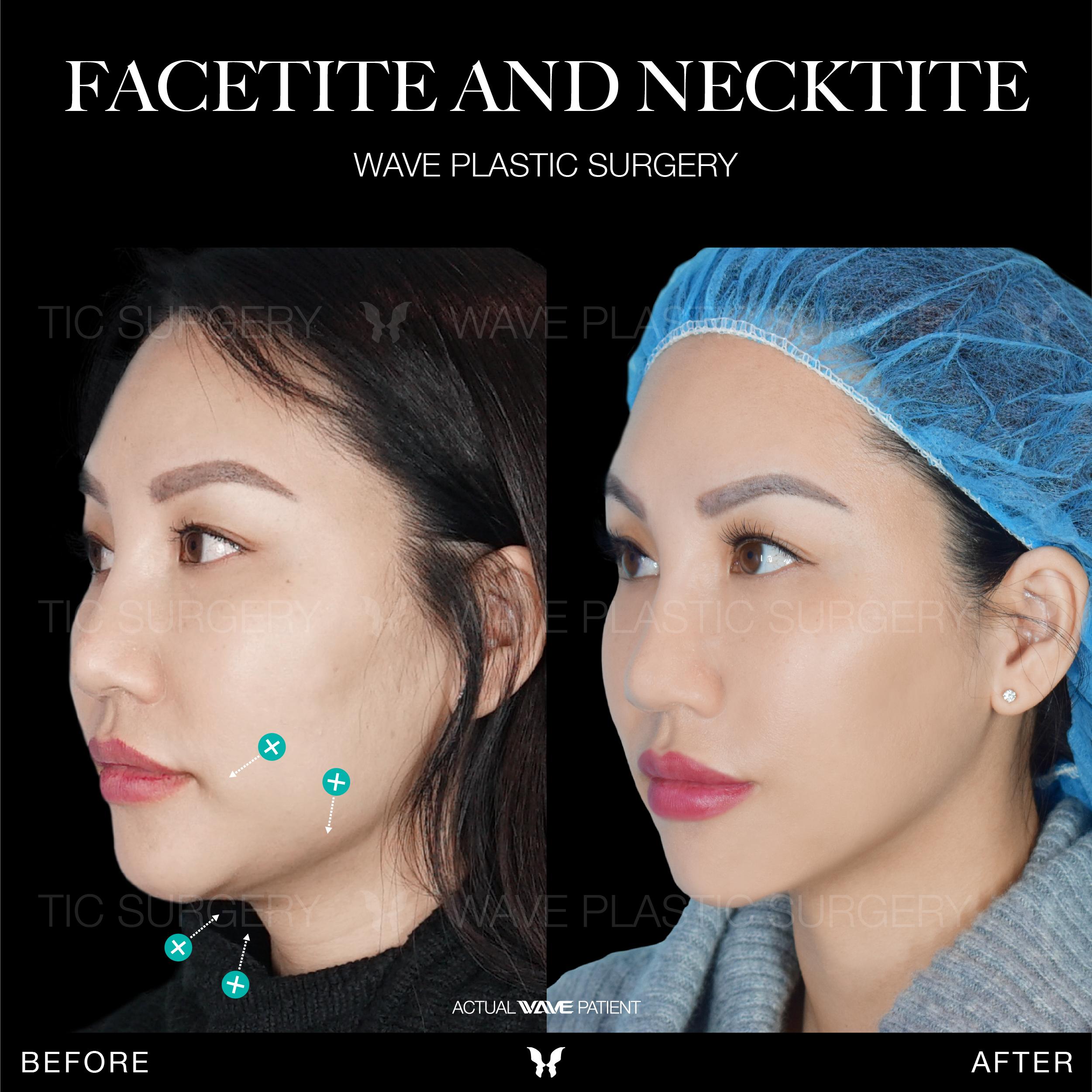
FaceTite mainly focuses on the lower face, including cheeks, chin, and jawline.
The treatment is also suitable for the neck. FaceTite has been documented to achieve meaningful outcomes while remaining minimally invasive.
A smaller variant of RFAL called AccuTite may be recommended for tightening delicate areas like the eyes and brows; it uses a smaller handpiece.
Your provider might suggest combining FaceTite with AccuTite depending on your goals. You can also read more about related options like selenite properties for general wellness context.
Are there any risks or side effects?
Although not a major operation, cosmetic treatments can produce side effects such as bruising, swelling, and soreness around incision sites.
Because FaceTite uses small entry points, it typically causes fewer side effects overall compared with more invasive procedures.
Less frequent risks include infection and visible scarring.
When to call your doctor
Mild side effects are common after FaceTite, but contact your provider immediately if you have any of the following:
- bleeding that won’t stop
- pus or persistent drainage from the incision sites
- swelling that does not improve after several days
- nerve issues (loss of sensation in the face)
- fever or chills
What to expect after FaceTite
After the procedure, your clinician will fit you with compression garments to wear on the trip home. These help support proper healing and skin tightening.
You’ll likely go home the same day, though arranging a ride is advisable. Recovery generally takes about 1 to 2 days. One study found that most patients returned to work after two days.
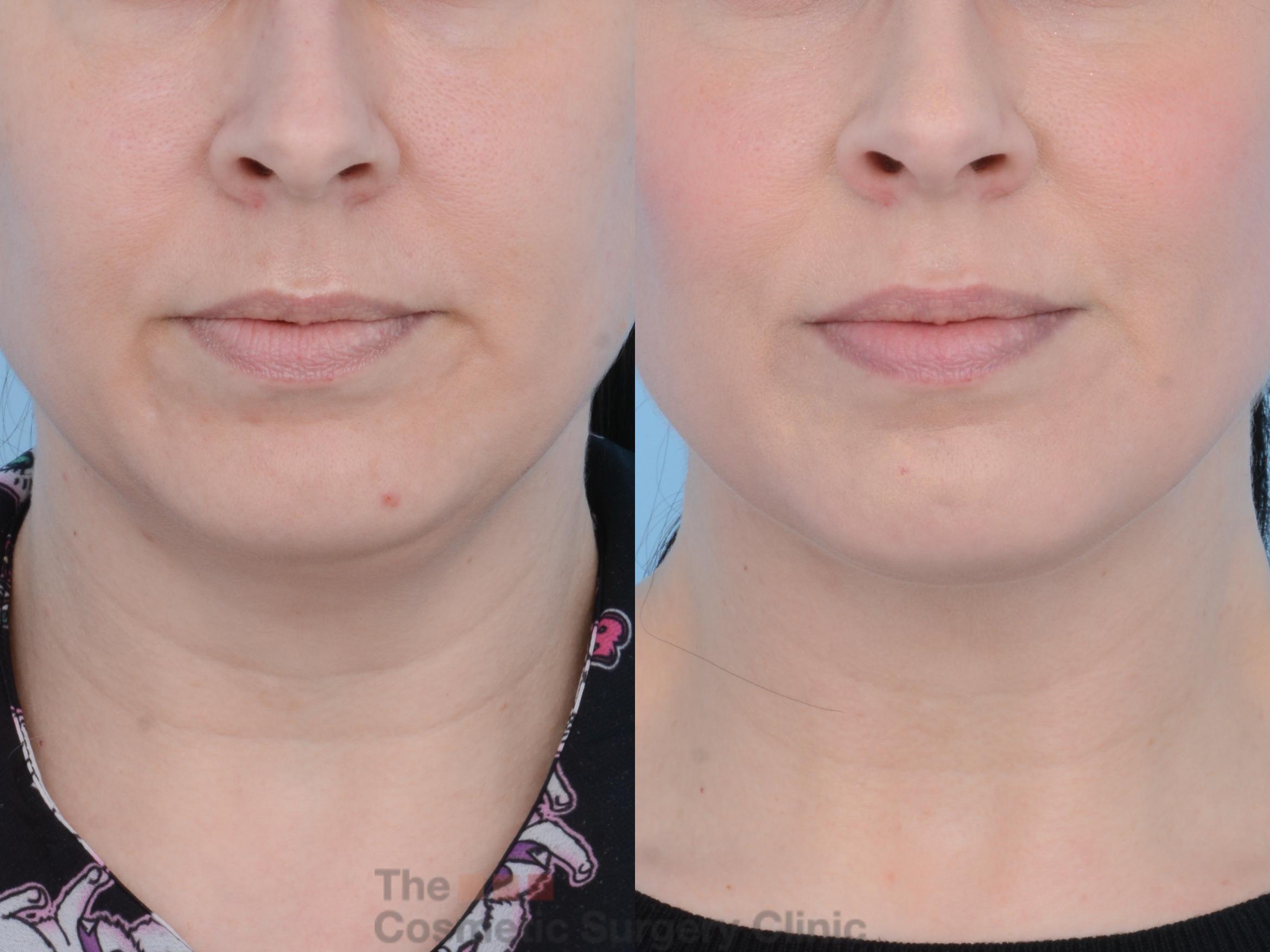
Within several days you may notice smoother skin, with full results developing over a few months. Keep in mind individual results vary; consult your provider if outcomes are unsatisfactory.
Preparing for FaceTite
It’s ideal to be at a stable weight for months and in generally good health before undergoing FaceTite. Significant weight fluctuations can influence results and might necessitate repeat treatments sooner.
Disclose all supplements, herbal products, and medications to your provider. They may advise stopping medications that increase bleeding risk—such as blood thinners and NSAIDs—a few days prior.
Consider arranging transportation so you don’t need to drive while wearing compression face wraps.
How long does FaceTite last?
FaceTite is intended to provide results that last several years, and typically only a single session is necessary. To maintain a refreshed look, discuss follow-up options like dermal fillers or resurfacing treatments with your provider.
Depending on your goals, your clinician may recommend combining FaceTite with other modalities, such as microneedling.
FaceTite vs. Ultherapy
Ultherapy is a noninvasive alternative that also aims to boost collagen and tighten skin. Unlike FaceTite, Ultherapy requires no incisions and uses focused ultrasound energy applied externally to the face or neck.
Ultherapy typically requires periodic maintenance sessions as results diminish over time. Like FaceTite, it usually involves little to no downtime.
FaceTite vs. facelift
FaceTite and Ultherapy are less-invasive options for patients who want to avoid major surgery. However, experts agree that only a surgical facelift can deliver the most dramatic, long-lasting improvements.
A facelift involves repositioning skin and underlying muscles by lifting tissues upward and is better suited for pronounced sagging and deep creases.
Because facelifts require more extensive incisions, they carry higher risks such as pain, bleeding, infection, and potential complications related to general anesthesia.
How to find a provider for FaceTite
- Seek a board-certified clinician experienced with this technology. You can begin with this free search tool from the American Board of Cosmetic Surgery to locate reputable practitioners in your area.
- Arrange consultations with several providers to determine who you trust most. A reputable clinician should present a portfolio of before-and-after photos and answer your questions openly.
The takeaway
FaceTite is a relatively new, minimally invasive approach that combines liposuction with radiofrequency energy. It may be appropriate if you have mild to moderate signs of aging but wish to avoid a full surgical facelift.
Consult a board-certified, experienced provider about your aesthetic goals. They can advise whether FaceTite or other treatments are the best route to achieve the outcomes you want.





















Leave a Reply
You must be logged in to post a comment.