
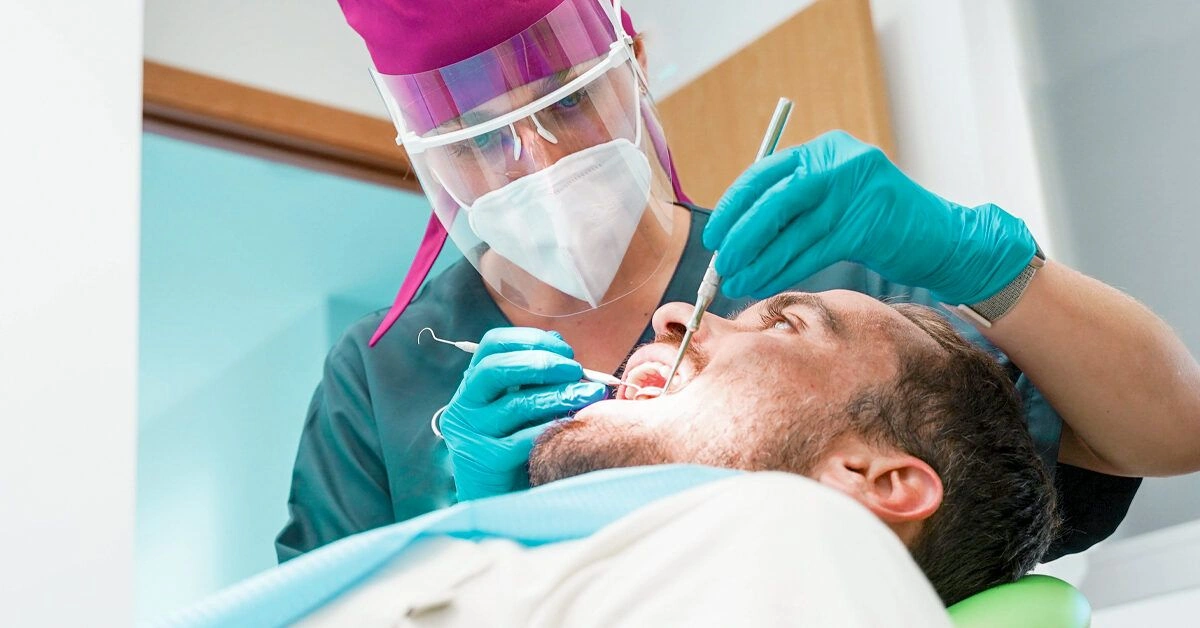
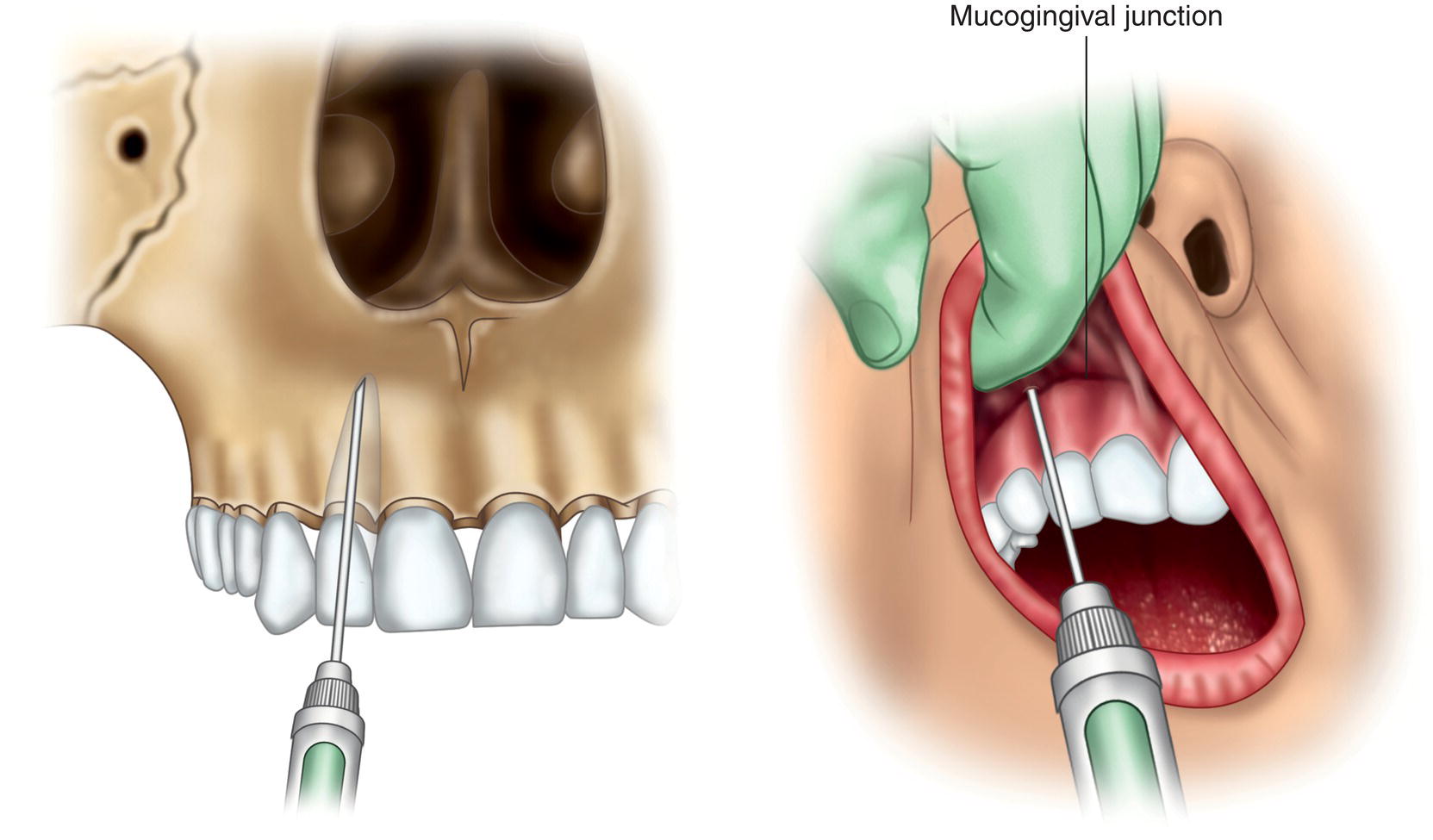
In many cases, a Painful lump after dental injection or following another dental procedure may actually be related to a small bone fragment known as a bone spicule. Generally speaking, bone spicules are bony projections or ridges that develop along the edges or surface of bones.
Bone spurs can form after bone injury or as a result of bone deterioration such as that seen in osteoarthritis. They most often appear where bones connect, including the knees, spine, hips, and feet.
Inside the mouth, bone spicules sometimes develop after a tooth extraction or other types of oral surgery. Some dental professionals refer to these fragments as bone sequestra. This process is part of your body’s natural healing response, helping to push out excess bone material from the extraction site.
Although they may feel unusual or even alarming, dental bone spicules are typically not dangerous. However, they can contribute to discomfort and may be mistaken for swelling or a Painful lump after dental injection, especially during the recovery phase.
Symptoms of an oral bone spicule
Bone spurs that occur elsewhere in the body may not produce obvious symptoms. In contrast, bone spicules in the mouth are often much more noticeable because of the sensitivity of gum tissue and the constant movement involved in eating and speaking.
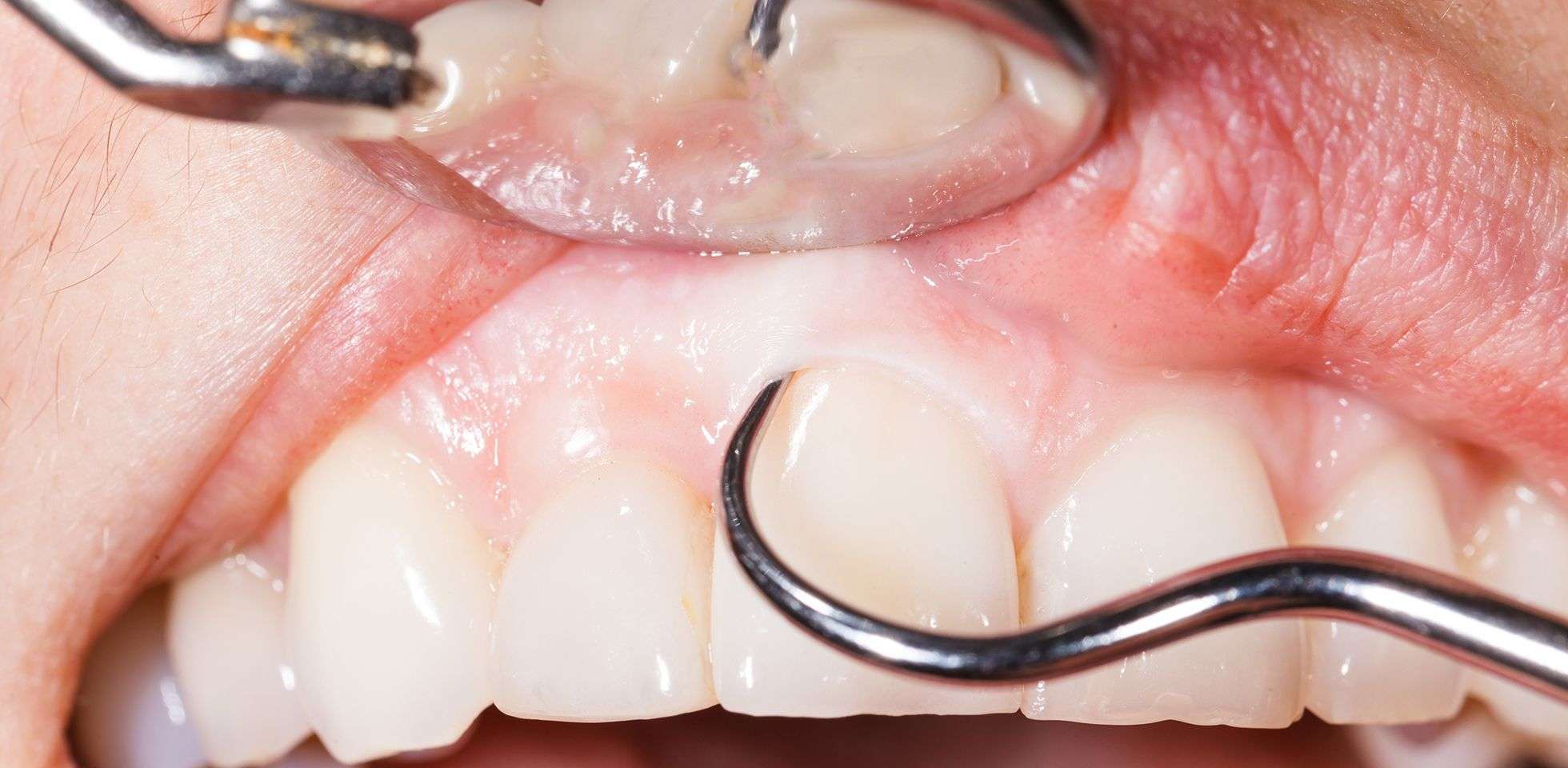
Common symptoms of an oral bone spicule include:
- a rough or sharp area along the gums
- a small white, bone-like fragment protruding through the gum tissue
- localized pain in the mouth
- discomfort that may feel like tiny, sharp splinters in one specific area
- possible signs of infection, including headache, fever, pus, redness, or inflammation
In some situations, people may confuse gum irritation or swelling with a Painful lump after dental injection. If you are also experiencing Cheek swelling after dental injection or Face swelling after local anesthesia, it’s important to have a dental professional evaluate the area to determine whether a bone spicule or another post-procedure reaction is responsible.
Optum Now is operated by RVO Health. By clicking on this link, we may receive a commission. Learn more.
Dental bone spicule causes
Several oral procedures can lead to the formation of dental bone spicules. These treatments may cause temporary trauma to the bone beneath one or more teeth.
Right after an oral procedure, the surrounding bone begins the healing process. Occasionally, small bone fragments remain at the surgical site. As healing progresses, the body may naturally expel these fragments by pushing them through the gum tissue and out of the mouth.
Procedures that may result in bone spicules include:
Tooth extraction
Tooth extraction involves removing a tooth or multiple teeth from the jawbone. Common reasons for extraction, including wisdom tooth extraction, are:
- improper tooth growth
- a broken or severely damaged tooth
- persistent tooth pain
- abscess
- gum disease
- tooth decay
- crowding or misalignment
- creating space for orthodontic treatment, such as braces
- preventing future dental complications (often with certain wisdom teeth)
Following extraction, it is normal to experience swelling, tenderness, or even what feels like a Painful lump after dental injection. In some cases, that sensation is actually a bone spicule gradually emerging as the gum heals.
Dental implants
Dental implant surgery replaces a tooth’s root with a metal post shaped like a screw. Artificial teeth are then attached to these posts. The metal posts are surgically embedded into the jawbone.
Because this procedure directly involves the jawbone, minor bone remodeling can occur during healing. On rare occasions, this process may lead to the development of a small bone fragment near the surgical site.
Oral bone biopsy
If you are undergoing evaluation or treatment for cancer of the oral bones or gums, your doctor may perform a biopsy.
A biopsy entails removing a small sample of bone or tissue from the body using a needle or surgical instrument. This test can determine whether abnormal cells, such as those responsible for cancer, are present. As with other bone-involving procedures, minor bone fragments may occasionally surface during recovery.
How are oral bone spicules treated?
Many dental professionals advise removing bone spicules from the gums to reduce the risk of infection and to support faster healing. The procedure to remove bone spicules from the mouth is generally quick and minimally invasive.
If you are already scheduled for tooth extractions, your dental surgeon may perform an alveoplasty at the same time. During alveoplasty, specialized instruments are used to smooth and reshape the jawbone.
This process grinds down any protruding sections of jawbone left after oral surgery that could later develop into a spicule. While alveoloplasty can reduce the likelihood of bone spicules forming, it does not completely eliminate the possibility.
If you are dealing with persistent discomfort, swelling, or what seems like a Painful lump after dental injection that does not improve, your dentist may use imaging or a clinical exam to determine whether a bone spicule requires removal.

If you are dealing with persistent discomfort, swelling, or what seems like a Painful lump after dental injection that does not improve, your dentist may use imaging or a clinical exam to determine whether a bone spicule requires removal.
Can you treat an oral bone spicule yourself?
In many cases, oral bone spicules gradually work their way out of the gum tissue as your mouth continues to heal in the weeks after an oral procedure. When this happens, home care may be sufficient to manage symptoms.
Tooth extraction and other dental surgeries commonly cause temporary discomfort during recovery. Bone spicules can contribute to that soreness. If you are experiencing pain related to a bone spicule, the following at-home remedies may help:
- over-the-counter pain relievers
- pain-relieving oral gel
- warm saltwater rinses
Maintaining proper oral hygiene after surgery is essential. Gentle brushing, avoiding the surgical site as directed, and following your dentist’s aftercare instructions can help prevent complications such as dry socket, infection, and prolonged pain.
When to see a dentist about an oral bone spicule
If you suspect you have oral bone spicules, inform your dentist. They may recommend an in-office evaluation to determine whether surgical removal would be beneficial.
Seek medical attention immediately if you develop signs of infection, such as facial swelling, fever, or headache. Additionally, contact your dentist if the spicule has not resolved within 1 to 2 months or if the area appears to worsen instead of improve. Persistent swelling that resembles a Painful lump after dental injection should also be assessed to rule out infection or other complications.
Takeaway
Similar to bone spurs in other areas of the body, oral bone spicules represent the body’s natural response to bone injury or trauma. They can develop after oral surgery, including tooth extraction and dental implant procedures.
In most situations, oral bone spicules resolve on their own within a few weeks and do not pose long-term health risks. Although they may cause tenderness or the sensation of a sharp fragment in the gum, simple home remedies can often relieve discomfort.
However, if an infection develops or symptoms persist, professional treatment may be necessary. Contact a doctor promptly if you experience fever, increasing swelling, or other signs of infection.


















Leave a Reply
You must be logged in to post a comment.