

The proof that apple cider vinegar (ACV) improves dental health, including whitening teeth, is sparse. It may also harm tooth enamel.
ACV is often promoted as a cure-all for both internal and external ailments — from soothing sunburn to treating acne to lowering heart disease risk.
Yet scientific backing for many of these assertions is limited, including claims about dental benefits such as tooth whitening.
Before trying ACV to brighten your smile or for other oral uses, it’s important to have the facts so you can make an informed choice.

What happens when apple cider vinegar contacts teeth?
Essentially, ACV is apple juice that’s been fermented twice. First, yeast converts the apples’ sugars into alcohol, creating cider. Then bacteria turn that alcohol into acetic acid.
The resulting vinegar contains about 5% acetic acid, a corrosive compound. Its typical pH ranges from roughly 2.5 to 3.0. In comparison, neutral distilled water has a pH of 7.0.
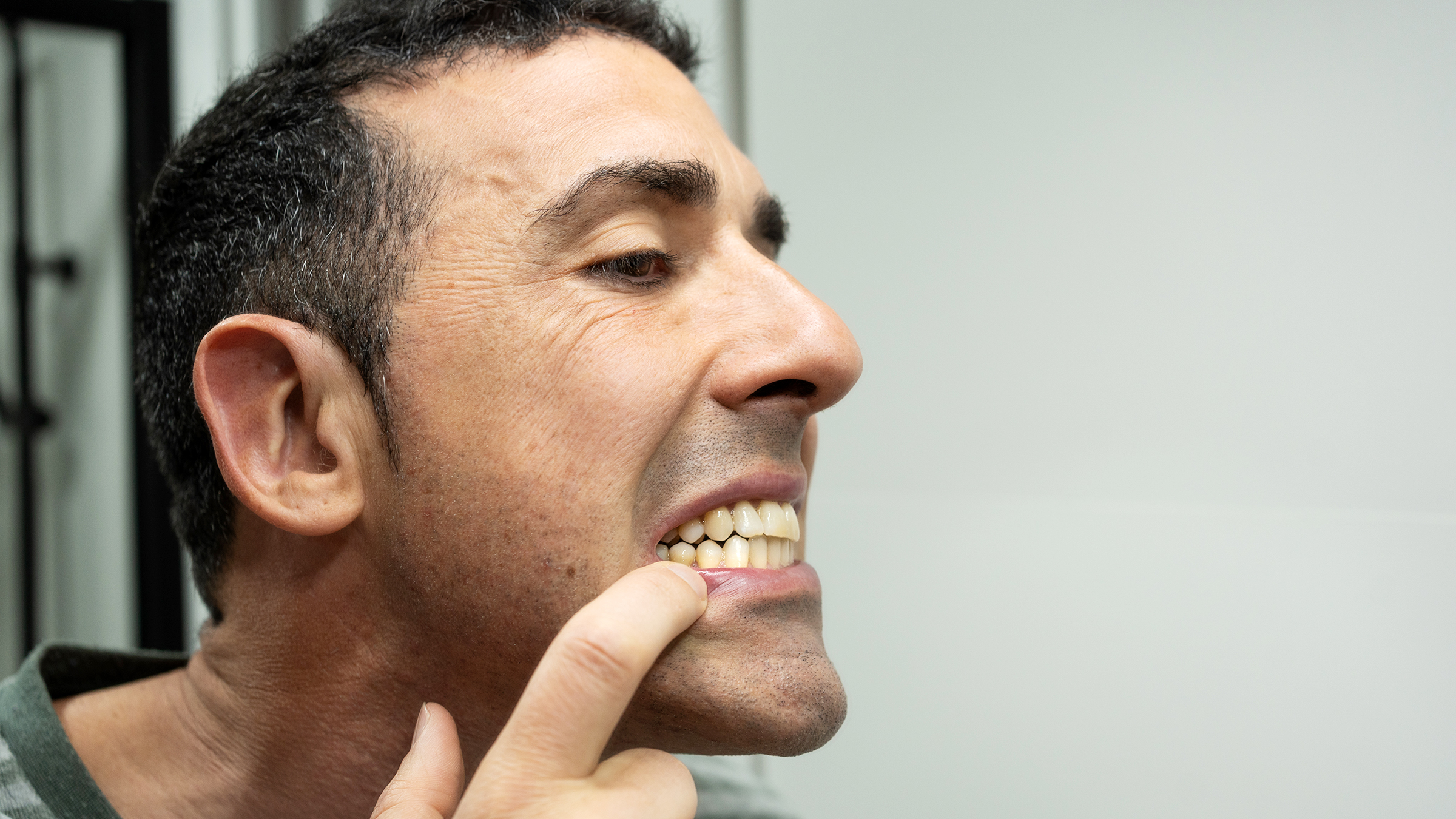
That acidity can have both positive and negative effects in the mouth. For example, some evidence suggests ACV might reduce dental plaque.However, the acidic nature of vinegar can also wear away tooth enamel.
A 2022 study looked at how acidic drinks and food preservatives, including vinegars and apple cider, affect teeth. Researchers tested 190 human permanent teeth and found that vinegar and apple cider caused the most pronounced enamel erosion.
Therefore, it’s reasonable to infer that ACV could similarly erode enamel. That erosion may lead to increased tooth sensitivity and raise the risk of decay and cavities.
Is using apple cider vinegar for teeth whitening safe?
Countless sources recommend ACV — undiluted, diluted with water, or combined with other ingredients like baking soda — as a tooth-whitening remedy.
An older 2014 study compared apple vinegar, white vinegar, and hydrogen peroxide for effects on tooth color and dental hard tissues. It reported bleaching effects from apple vinegar, white vinegar, and hydrogen peroxide.
However, additional research is needed to confirm these findings. Moreover, sources that endorse ACV for whitening often omit discussion of possible harms, such as enamel erosion.
There’s also a danger of throat burns, particularly if undiluted ACV is swallowed.
Can apple cider vinegar treat a tooth infection?
Can apple cider vinegar treat a tooth infection?
ACV may exhibit some antimicrobial activity. A 2023 in vitro study assessed its action against common oral bacteria. Researchers found that acetic acid at 5% concentration displayed antimicrobial effects comparable to a sodium hypochlorite (NaOCl) mouth rinse.
While the investigators could not conclude that ACV can cure a tooth infection, they did demonstrate it was generally effective against certain oral bacteria in lab conditions.
It’s also worth noting that the study tested commercially sold, diluted ACV samples. Undiluted vinegar might produce similar antimicrobial results but would be more likely to cause adverse effects.
What other risks should you weigh?
Besides possible effects on teeth, using ACV in your mouth means you may ingest some of it.
For that reason, always dilute ACV before using it. Even so, it can interact with medications you take. These interactions include:
- Diuretics: Some diuretics increase potassium loss. Combined with high vinegar intake, your potassium could fall too low.
- Digoxin (Lanoxin): This medication is sensitive to potassium levels. If you’re on digoxin, ACV could further decrease potassium to unsafe levels.
- Diabetes medications: If you use insulin or drugs that stimulate insulin, vinegar may lower blood sugar or potassium to risky levels.
Takeaway
ACV might have teeth-whitening effects, but it can also damage enamel. There are additional concerns, such as potential drug interactions.
If you’re thinking about using ACV for health purposes — including whitening your teeth — talk with your dentist or physician before trying it.
They can advise you on ways to pursue potential benefits while minimizing risks to medications, enamel integrity, and overall health.




















Leave a Reply
You must be logged in to post a comment.