


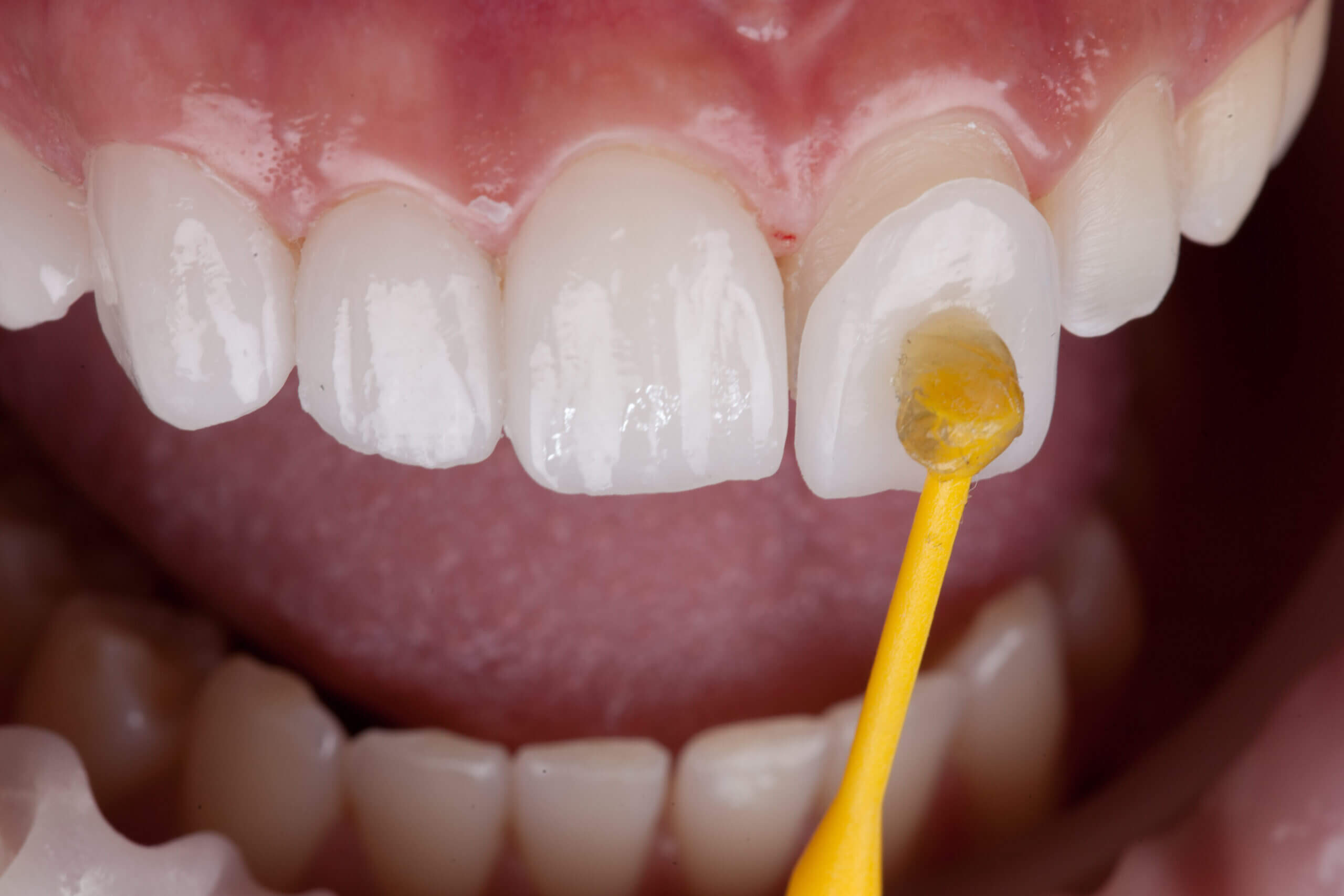
Dental veneers are thin coverings placed over the front surfaces of teeth to create a more uniform, healthy-looking smile. They hide flaws and can significantly enhance the look of your teeth.
One key consideration when weighing whether to get veneers is their expected lifespan. This article explains how long veneers usually last and what factors influence their durability.
What to know about different types of veneers and their durability
Talk with your dentist about the veneer choices available and which they recommend for your situation.
Below is an overview of the main veneer types and what to expect from each.
Porcelain veneers
Porcelain is among the most frequently used materials for veneers because it’s thin and translucent, producing a very natural appearance.
Porcelain veneers are known for their durability. A 2018 review of several studies indicates these veneers often last 10 years or more in most cases.
One study involving 84 patients reported porcelain veneers remaining intact for up to 20 years.
The 2018 review also notes that some research has shown shorter lifespans for porcelain veneers, which may occur when teeth aren’t properly prepared beforehand.
Costs for porcelain veneers vary. The Consumer Guide to Dentistry estimates a range of $925 to $2,500 per tooth.
Composite veneers
Composite resin is another common veneer material. The same 2018 review suggests composite veneers typically last about 5 years or more.
Composite veneers are generally less expensive than porcelain but also have a shorter lifespan. The Consumer Guide to Dentistry lists typical costs between $250 and $1,500 per tooth.
Composite veneers demand a dentist or prosthodontist with strong technical skill, whereas porcelain veneers rely heavily on a skilled lab technician for optimal results.
No-prep veneers
No-prep veneers, as the name implies, require little to no alteration of the natural tooth before placement. They can enhance appearance while conserving more tooth enamel.
Because they’re less invasive, no-prep veneers often take less time to place. Brands you may hear about include Lumineers, Vivaneers, and DURAthin.
Lumineers’ manufacturer claims lifespans up to 20 years, though other sources estimate longevity up to about 10 years. Prices range from roughly $800 to $2,000 per tooth.

Who is a suitable candidate for veneers?
If you’re dissatisfied with your smile, veneers might be an option. They aren’t ideal for severely damaged teeth — crowns are usually preferable for extensive restoration — but veneers can work well if your teeth are:
- chipped
- stained or discolored
- cracked
- smaller than normal
Check with your dentist about insurance coverage. Veneers are often viewed as elective cosmetic treatments, and in those cases insurance may not cover them.
Discuss with your dentist which approach fits your goals and budget. You can also ask if they can show a digital simulation of how your smile would look with veneers.
Do veneers outlast crowns?
You might be comparing veneers with crowns and wondering which lasts longer. Longevity is one factor to weigh.
Crowns are essentially caps for damaged teeth, covering most or all of the tooth. They can be made from materials such as:
- porcelain
- metal
- composite resin
- a mix of materials
Crowns are typically thicker than veneers — about 2 millimeters versus roughly 1 millimeter for veneers — and because they cover more of the tooth, they may leave less tooth exposed to new decay. Veneers usually cover only the front teeth and are most often applied to the upper front eight teeth.
The lifespan of crowns varies by material. For veneers, the American College of Prosthodontists reports an average lifespan of about 5 to 10 years, depending on the type.
What influences how long veneers last?
Several elements affect how long your veneers will last. Here are the main factors to consider:
- Condition of the teeth before placement. The health and preparation of your teeth prior to veneer placement can influence longevity.
- Veneer material. Porcelain and no-prep veneers generally outlive composite veneers, but they usually cost more, so balance expense against expected durability.
- Oral hygiene. Excellent daily care — brushing twice a day and flossing once daily — helps extend the life of veneers. Routine dental exams and cleanings every six months are also important.
- Mouth protection. Use a mouthguard for contact sports to prevent chips and cracks in veneers.
- Bruxism (tooth grinding). Grinding places extra stress on veneers. If you grind at night, a nighttime guard can protect them.
- Using teeth as tools. Avoid using teeth to open packages or perform other tasks better handled with tools.
- Care with hard foods. Avoid biting into very hard items like hard candy, ice, or whole nuts.
The bottom line
Veneer lifespan depends on the type chosen and personal habits, but most veneers typically last between 5 and 10 years.
When selecting veneers, consider the upfront and long-term costs, expected durability, and the aesthetic result you want to achieve.























Leave a Reply
You must be logged in to post a comment.