
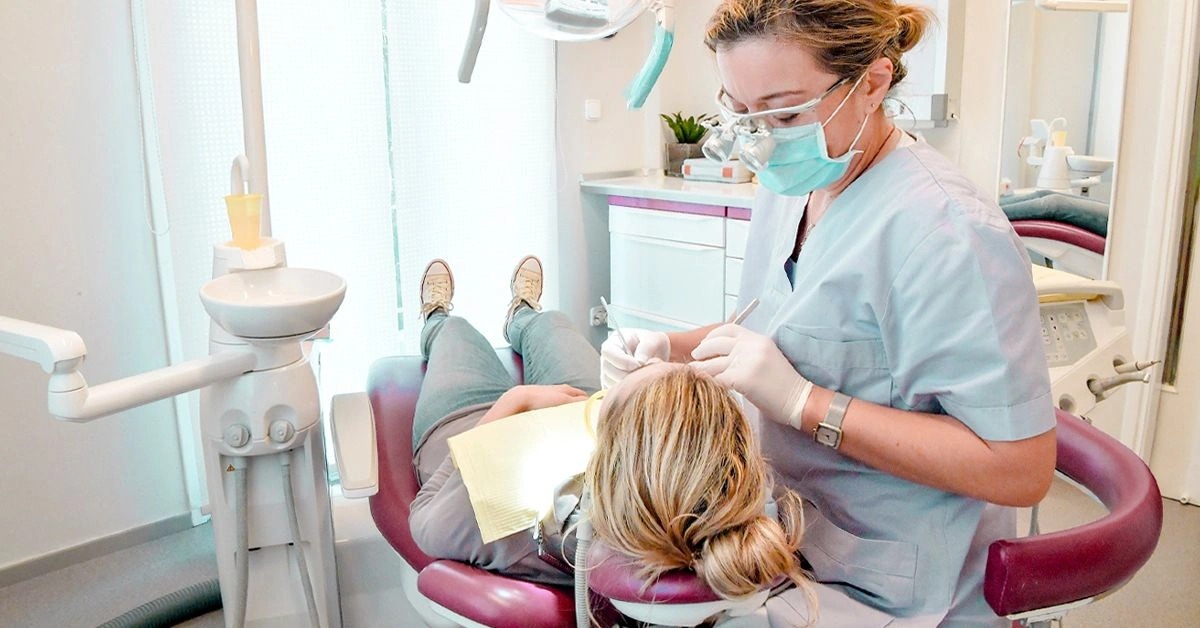
Although uncommon, a tooth can become infected after a root canal. Contact your dentist if you notice pus, warmth, persistent pain, or an odd taste in your mouth following the procedure.
Root canals are a widely performed dental treatment. The American Association of Endodontists reports that more than 15 million root canals occur annually in the United States alone.
So, should you worry about an infection from a root canal? And what potential complications should you be aware of after the treatment?
Below we’ll cover how to spot a root canal infection, what can cause one, and how such infections are managed.
What is a root canal infection?
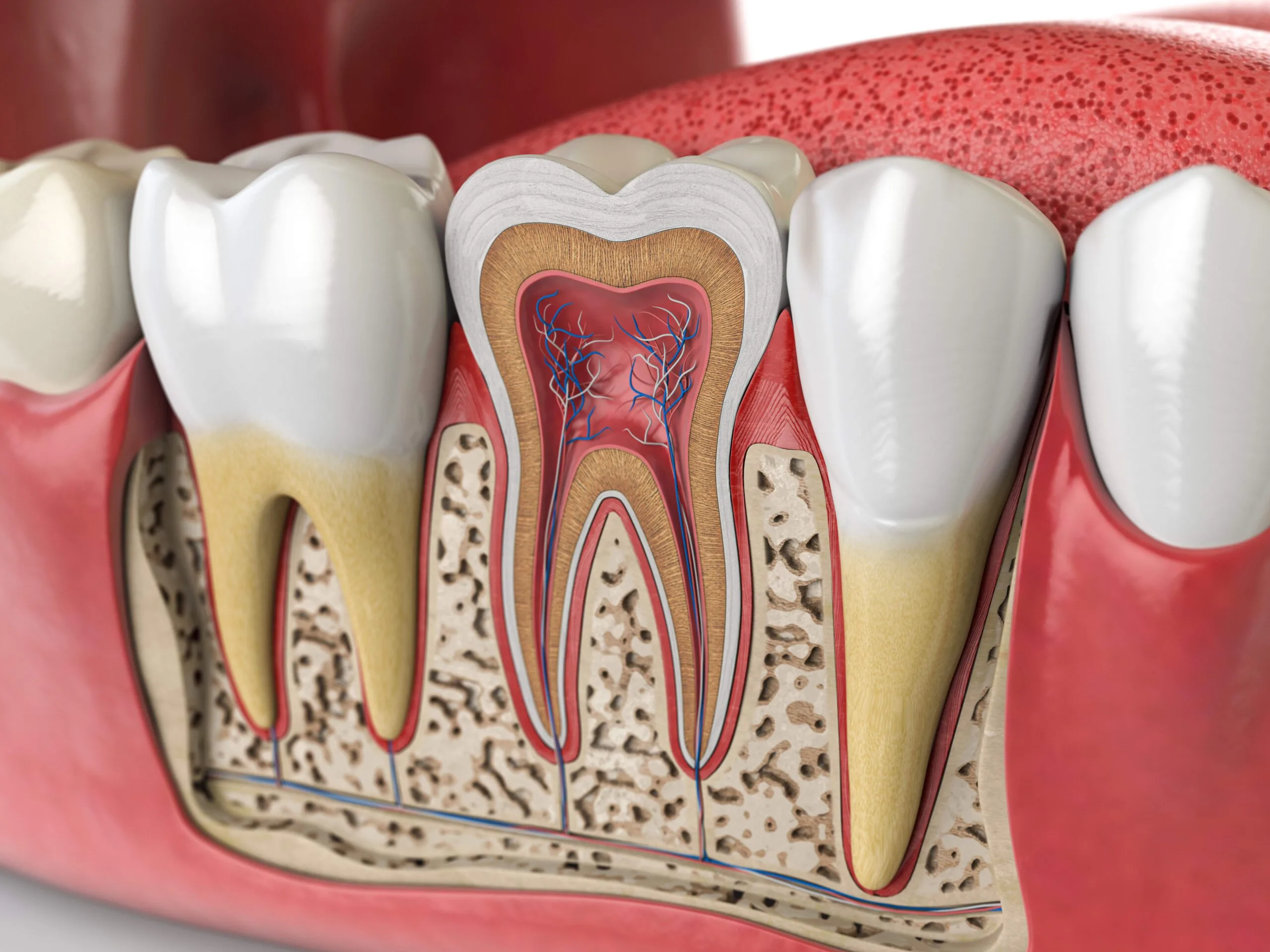
Teeth aren’t solid through and through — they consist of layers. The hard outer portion is enamel. Beneath that lies dentin, a porous, somewhat sponge-like material. At the core of each tooth sits the pulp, a soft tissue bundle.
The pulp houses nerves and blood vessels essential for tooth development. It’s made up of cells called odontoblasts that help maintain the tooth’s health.
A root canal procedure removes the pulp from a tooth that’s infected or damaged by decay or injury. Root canal therapy can save a tooth and is generally very safe.
Although infections after root canals are uncommon, there is a small chance a treated tooth can still become infected.
What are the signs of a root canal infection?
Some discomfort right after a root canal is expected. You may experience soreness and tenderness for a few days, and mild pain can persist for up to a week.
Contact your dentist if severe pain continues beyond a week after the procedure, particularly if the pain is as intense or worse than it was before treatment.
Occasionally, a root canal-treated tooth can develop a delayed infection despite being symptom-free for a time. A tooth that hasn’t fully healed after treatment can become painful or diseased months or even years later.
Warning signs that require another dental visit
These common symptoms suggest a possible post–root canal infection and mean you should see your dentist:
- Pain or sensitivity ranging from mild soreness to severe pain, especially when biting or when the tooth is exposed to hot or cold
- Discolored pus that’s greenish, yellowish, or otherwise abnormal
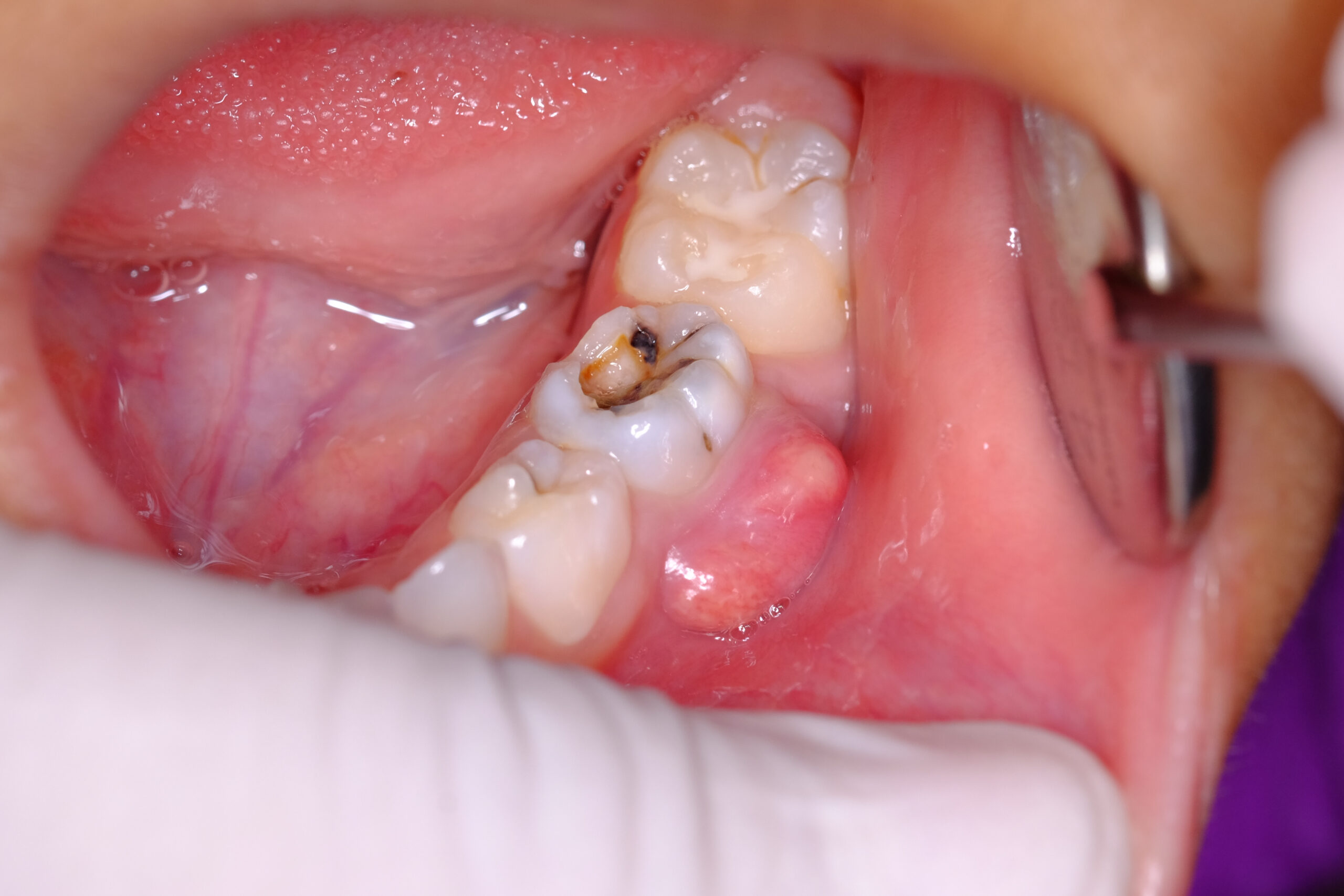
- Red, warm, swollen tissue around the tooth, particularly the gums near or beneath the treated tooth — swelling may also extend to the face or neck in some cases
- Tender swollen tissue that hurts when touched or pressed
- Foul taste or bad breath caused by infected tissue
Can the infection spread to gums or other teeth?
Like other infections, a root canal infection can extend to nearby oral tissues, including adjacent teeth, gums, and soft tissues in the cheeks and face.
The infection will not resolve on its own and will spread the longer it’s left untreated.
How far it spreads depends on how quickly you seek care after symptoms appear. Prompt treatment within hours or a few days can limit the spread to the tooth and nearby tissues.
If left untreated, a root canal infection can travel beyond the tooth. It may reach the jaw, the facial area, and in severe cases, enter the bloodstream.
What causes infections after root canals?
Several factors can lead to an infection following a root canal. These include:
- Complex root canal anatomy that allows infected areas to be missed during the initial procedure.
- Narrow or curved canals that weren’t fully cleaned and disinfected during treatment.
- Extra or accessory canals that harbor bacteria and can reinfect the tooth.
- Delay in placing a crown or permanent restoration after treatment, allowing bacteria to re-enter the tooth.
- A new cavity, crack, or damage to the tooth after treatment that creates a pathway for bacteria and leads to reinfection.
How are root canal infections treated?
When an infection develops, a root canal retreatment is often recommended to give the tooth another opportunity to heal. Retreatment follows similar steps to the original root canal.
In a retreatment, your dentist or endodontist will generally:
- Assess for infected or necrotic tissue around the root canal and take X-rays.
- Anesthetize the area with local anesthesia.
- Place a protective barrier to safeguard the gums and mouth.
- Use a dental drill to access the pulp and root canal region through the filling and enamel.
- Clean out infected or dead tissue and remove any old root filling or medicaments.
- Dry the canals, then fill the cleaned space with a safe filler material (gutta-percha).
- Place a filling, such as amalgam or composite, to protect the tooth and support healing.
- If needed, reshape the outer enamel and fit a permanent crown to shield the tooth from future infection.
Optum Now is operated by RVO Health. By clicking on this link, we may receive a commission. Learn more.

Ways to help prevent root canal infections
After a root canal, taking good care of your teeth can reduce the risk of reinfection. Consider these steps:
- Brush and floss at least twice daily.
- Use a mild antiseptic mouthwash during the first few days after the procedure, and continue using it as desired afterward.
- Manage soreness with over-the-counter pain relievers like ibuprofen if needed.
- Return for a final crown or permanent restoration promptly to seal the treated tooth from bacteria.
- Have dental cleanings at least twice yearly to maintain oral health and catch problems early.
- Contact your dentist immediately if you notice any early signs of infection.
Root canals do NOT cause cancer
The 2018 documentary Root Cause follows Australian filmmaker Frazer Bailey as he searches for reasons behind his fatigue and depression, speculating that a past root canal might be responsible and even implying a link to breast cancer.
No evidence has ever established a causal connection between root canals and cancer.
The American Dental Association (ADA), American Association of Endodontists (AAE), and American Association of Dental Research (AADR) have issued statements cautioning that these unfounded claims spread harmful misinformation and could deter people from obtaining necessary root canal treatment.
Key takeaways
Infections after root canals are uncommon but possible. Monitor for any early signs of infection after your procedure.
If you suspect a post–root canal infection, see your dentist promptly so it can be treated.


















Leave a Reply
You must be logged in to post a comment.