10-Panel Drug Test: What to Expect

Individuals working in roles that involve public safety or the well-being of others are often required to undergo a 10-panel drug test. This screening is designed to identify the misuse of both prescription medications and illegal substances, helping employers maintain a safe and compliant workplace environment.
The 10-panel drug test checks for five of the most frequently misused prescription drugs in the United States.
It also screens for five illegal drugs. These substances, sometimes referred to as street or illicit drugs, are not typically prescribed by a physician.
Compared to the 5-panel drug test, the 10-panel drug test is less common. Standard workplace drug testing typically checks for five illicit substances and may include alcohol screening.
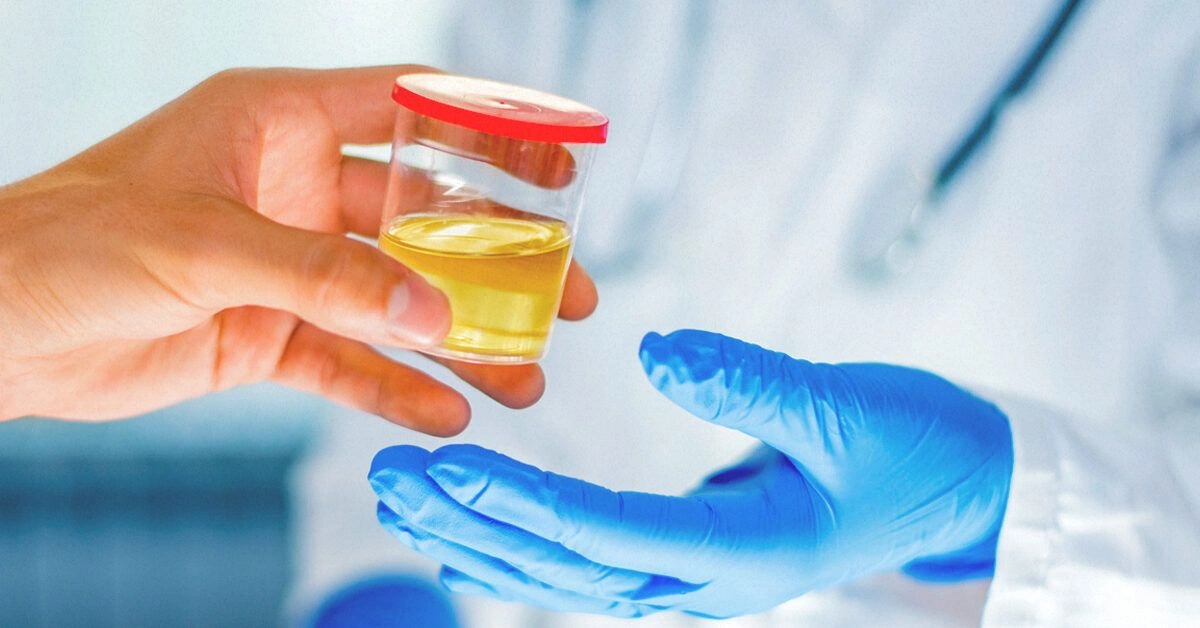
Although blood tests and other bodily fluids can be used, urine testing remains the most common method due to its convenience, cost-effectiveness, and established reliability.
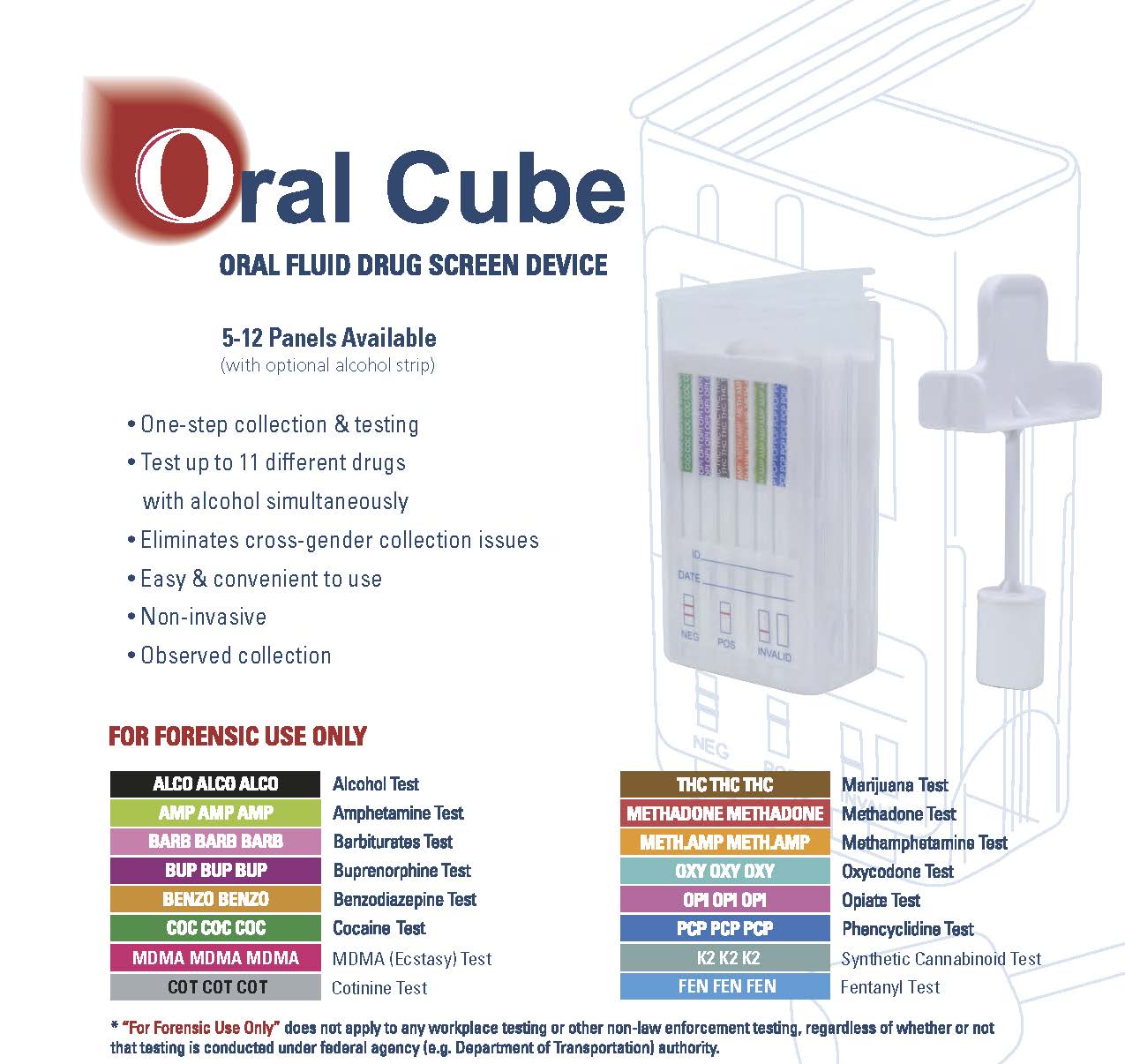
As conversations around drug screening evolve, many people also research Oral fluid drug test detection times to better understand how long substances remain identifiable in saliva compared to urine. Detection windows vary depending on the testing method, substance used, and individual biological factors. For example, those interested in employer-specific protocols can review Labcorp saliva drug test detection times for additional context on oral fluid screening.
Continue reading to explore what substances are included in a 10-panel drug test, how long they may be detectable, and what you can expect during the testing process.
What does it screen for?
The 10-panel drug test screens for the following controlled substances:
Amphetamines:
- amphetamine sulfate (speed, whizz, gooey)
- methamphetamine (crank, crystal, meth, crystal meth, rock, ice)
- dexamphetamine and other drugs used to treat attention deficit hyperactivity disorder and narcolepsy (dexies, Ritalin, Adderall, Vyvanse, Focalin, Concerta)
Cannabis:
- marijuana (weed, dope, pot, grass, herb, ganja)
- hashish and hashish oil (hash)
- synthetic cannabinoids (synthetic marijuana, spice, K2)
Cocaine:
- cocaine (coke, powder, snow, blow, bump)
- crack cocaine (candy, rocks, hard rock, nuggets)
Opioids:
- heroin (smack, junk, brown sugar, dope, H, train, hero)
- opium (big O, O, dopium, Chinese tobacco)
- codeine (Captain Cody, Cody, lean, sizzurp, purple drank)
- morphine (Miss Emma, cube juice, hocus, Lydia, mud)
Barbiturates:
- amobarbital (downers, blue velvet)
- pentobarbital (yellow jackets, nembies)
- phenobarbital (goofballs, purple hearts)
- secobarbital (reds, pink ladies, red devils)
- tuinal (double trouble, rainbows)
Benzodiazepines are also known as benzos, normies, tranks, sleepers, or downers. They include:
- lorazepam (Ativan)
- chlordiazepoxide (Librium)
- alprazolam (Xanax)
- diazepam (Valium)
Other screened substances include:
- phencyclidine (PCP, angel dust)
- methaqualone (Quaaludes, ludes)
- methadone (dollies, dolls, done, mud, junk, amidone, cartridges, red rock)
- propoxyphene (Darvon, Darvon-N, PP-Cap)
The 10-panel drug test includes these substances because they are among the most commonly misused drugs in the United States. Notably, alcohol is not part of the standard 10-panel screening.
Employers may request testing for any legal or illegal substance, including medications that have been legitimately prescribed. Verification through a medical review process helps distinguish appropriate prescription use from misuse.
What’s the window of detection?
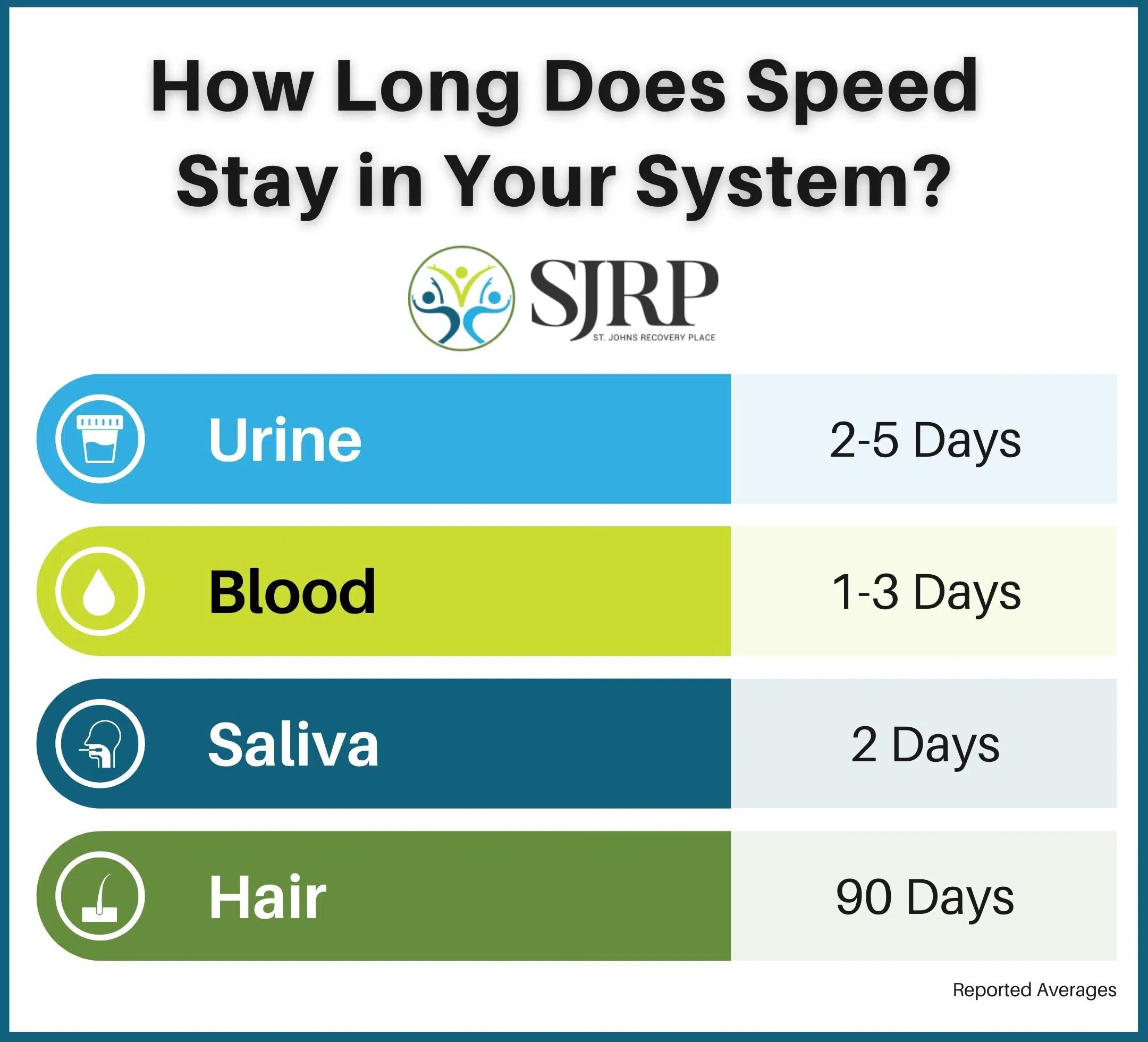
After consumption, drugs stay in the body for a finite period. Drug detection times depend on several factors, including:
- drug
- dose
- type of sample
- individual metabolism
Understanding Oral fluid drug test detection times alongside urine detection windows can provide a more complete picture of how long substances may be identified. Saliva testing often reflects more recent use, whereas urine testing may detect substances for a longer duration, depending on the compound and frequency of use.
Some approximate detection times for drugs screened in the 10-panel drug test include:
| Substance | Detection window |
| amphetamines | 2 days |
| barbiturates | 2 to 15 days |
| benzodiazepines | 2 to 10 days |
| cannabis | 3 to 30 days, depending on frequency of use |
| cocaine | 2 to 10 days |
| methadone | 2 to 7 days |
| methaqualone | 10 to 15 days |
| opioids | 1 to 3 days |
| phencyclidine | 8 days |
| propoxyphene | 2 days |
It’s important to recognize that drug testing does have limitations. These tests cannot determine current impairment. Instead, they detect the presence of the drug itself or metabolites produced as the body processes the substance. For a result to register as positive, these compounds must meet or exceed a specified concentration threshold.
Who takes this test?
The 10-panel drug test is not considered a routine screening for all workplaces. Most employers rely on a 5-panel drug test when evaluating job applicants or monitoring existing staff.
However, certain professionals whose duties directly affect public safety may be required to complete a 10-panel drug test. These roles can include:
- law enforcement officials
- medical professionals
- federal, state, or local government employees
If an employer—current or prospective—requests a drug test, you may be legally obligated to comply. Hiring decisions or continued employment may depend on passing the screening, though this varies according to state law.
Some states limit workplace drug testing for employees who do not hold safety-sensitive positions. Others have specific protections for individuals with a documented history of alcohol or substance use disorder.
How to prepare
Avoid consuming excessive fluids before providing a urine sample, as overhydration can dilute the specimen and potentially affect test validity. Ideally, your last restroom visit should be two to three hours before the test. Bring a valid, government-issued photo ID to confirm your identity.
Your employer will supply detailed instructions regarding the date, location, and procedures for the test. Following these directions carefully can help ensure a smooth and efficient process.
What to expect during
Your drug test may be conducted at your workplace, a medical clinic, or a designated testing facility. A trained technician will guide you step by step through the procedure.
For urine testing, you will typically use a single-stall bathroom with a floor-to-ceiling door to maintain privacy. You’ll receive a sterile container for sample collection. In rare circumstances, a same-gender observer may monitor the process to ensure integrity.
To reduce the risk of tampering, the technician may implement additional safeguards, such as:
- turning off the tap water and securing other sources of water
- putting blue dye in the toilet bowl or tank
- removing soap or other substances
- conducting a site inspection prior to collection
- measuring the temperature of your urine afterward
After providing the sample, secure the lid tightly and hand the container directly to the technician.
Getting the results
Some testing facilities offer rapid urine test results on-site. In other cases, the specimen is sent to a laboratory for detailed analysis. Results are generally available within several business days.
Drug test results may be categorized as positive, negative, or inconclusive:
- A positive result indicates that one or more panel drugs were detected above the designated concentration threshold.
- A negative result means that none of the panel drugs were found at or above the cut-off level.
- An inconclusive or invalid result suggests that the test did not successfully determine the presence or absence of the panel drugs.
What to expect if you get a positive result
If the initial screening is positive, the result is typically not immediately forwarded to your employer. Instead, the sample is often retested using gas chromatography-mass spectrometry (GC/MS) to confirm the findings with a higher level of accuracy.
If the confirmatory test is also positive, a medical review officer may contact you to determine whether there is a legitimate medical explanation, such as a valid prescription. Once this review is complete, the final result may be shared with your employer.
What to expect if you get a negative result
Negative results are generally reported to your current or prospective employer without delay. In most cases, no additional testing is necessary unless there are unusual findings or administrative requirements.
Top Questions
A 10-panel drug test is a screening that checks for ten specific substances, including five commonly misused prescription drugs and five illegal drugs, to ensure workplace safety and compliance.
Oral fluid drug test detection times vary by substance but generally indicate recent use, often within hours to a few days after consumption, depending on the drug and individual metabolism.
The test screens for amphetamines, cannabis, cocaine, opioids, barbiturates, benzodiazepines, phencyclidine (PCP), methaqualone, methadone, and propoxyphene.
This test is often required for professionals in safety-sensitive roles, such as law enforcement, medical personnel, and certain government employees, where public safety is a concern.
A positive result is confirmed with a secondary test like GC-MS. A medical review officer may then contact you to verify any legitimate prescription use before results are reported.
Read Next
Hyperdontia: Do I Need to Have My Extra Teeth Removed?
Veneers vs. Lumineers: What’s the Difference?
What Are the Effects of Thumb Sucking on the Teeth and Mouth?
The 9 Best Mouthwashes For Whitening, Cavities, Gums, Breath, and More
What You Need to Know About Snap-In Dentures
How Long Will I Have to Sit in the Dentist Chair During a Root Canal?
Related Posts

What Exactly Is a Tooth Piercing?
Sep 11, 2026 • 27 min read
Everything You Need to Know About Mini Dental Implants
Aug 24, 2026 • 35 min read
How Does Drinking Soda Affect Your Dental Health?
Aug 26, 2026 • 6 min read
How Regularly Should You Get Your Teeth Cleaned?
Aug 2, 2026 • 25 min read
How to Remove Nicotine Stains from Your Teeth
Aug 14, 2026 • 4 min read