

What is a receding chin?
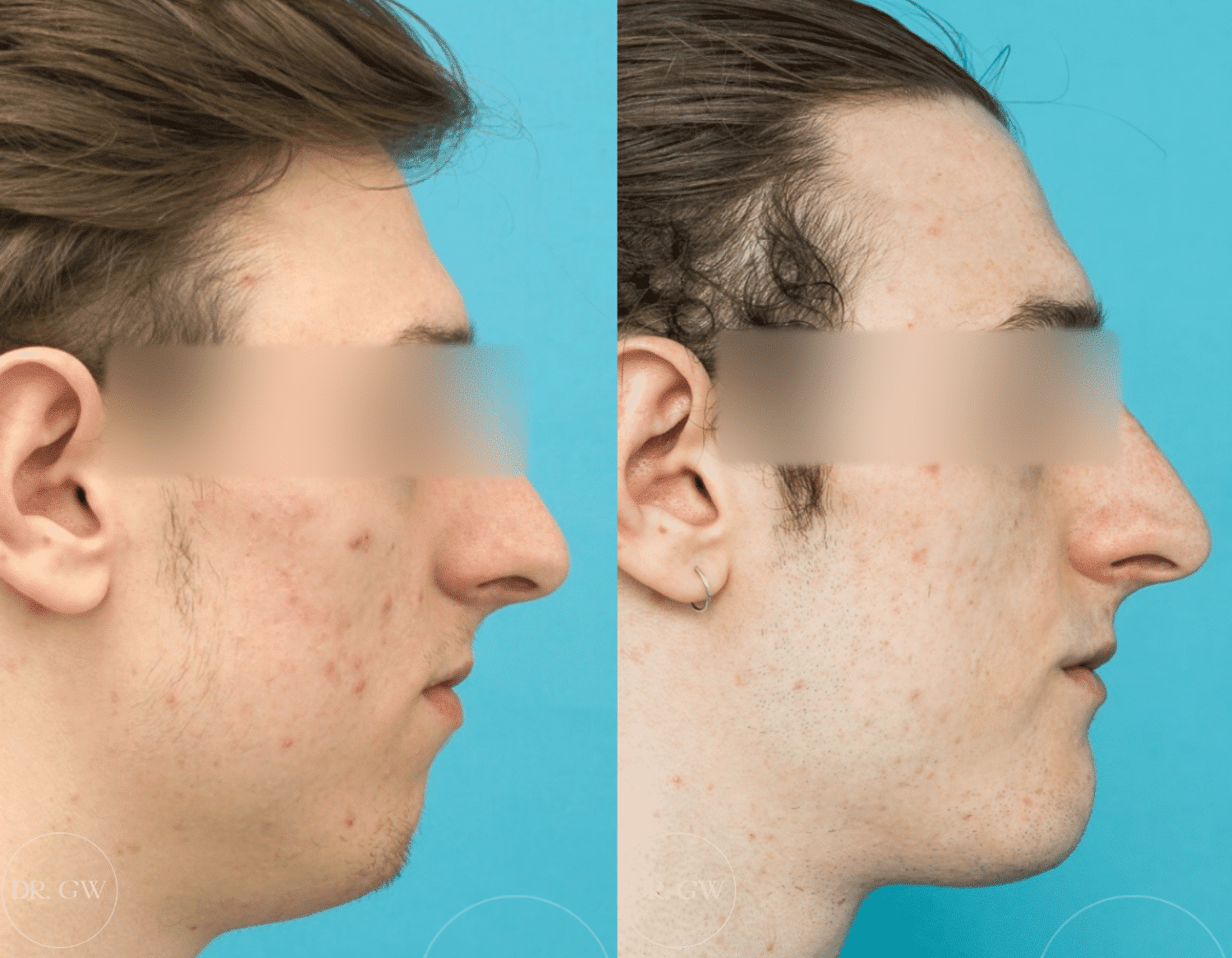
Retrogenia refers to a condition in which the chin sits somewhat back toward the neck. This characteristic is often described as a receding chin or a weak chin.

What causes it?
The jaw is a complex assembly of bone and soft tissues. The structure commonly referred to as the jaw is the mandible, or lower jaw. The mandible sets the actual placement of your chin, while the tissues around it influence how it appears.
The upper and lower jaws normally maintain a consistent relationship dictated by typical skeletal anatomy. When the chin is positioned too far back relative to the upper jaw, this condition is called retrogenia, or a receding chin.
Retrogenia is most often inherited. In many instances it’s mainly an aesthetic concern and doesn’t interfere with speaking or eating. However, retrogenia may also be present with certain congenital syndromes, such as Pierre Robin sequence and Treacher Collins syndrome, where a small jaw can compromise breathing in very young infants. This generally improves as the infant and jaw grow.
For numerous people, a receding chin can also develop with aging in both sexes. Over time you may lose some bone density and soft tissue around the jaw, contributing to retrogenia.
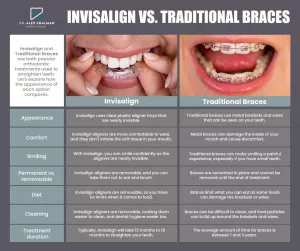
Some individuals are congenitally predisposed to a recessed chin or may develop one because of an overbite. In those situations, orthodontic treatment like braces can sometimes help bring the chin forward.
Can exercises help?
The web is packed with routines claiming to correct a receding chin. These typically involve repetitive neck and chin movements meant to stretch and tone the area. The idea is that strengthening the muscles will tighten loose skin and improve the chin’s profile.
Although these exercises may seem appealing, they won’t actually correct a receding chin. The position of the chin is governed by bone and soft tissue, not by the muscles targeted by these regimens.
What about surgery?
If you want to address a receding chin definitively, surgical options are usually required. Both chin implants and sliding genioplasty (which involves cutting and repositioning the lower jaw bone) can produce meaningful changes. Bear in mind recovery typically takes about six weeks, and most insurers don’t cover cosmetic procedures for a receding chin unless there’s a documented medical issue.
Implants
Chin implants, or chin augmentation, are a suitable choice when the issue is primarily due to insufficient soft tissue projection. In this outpatient operation, the surgeon makes an incision—often along the inner crease of the lower lip near the gum line—places the implant, and closes the wound. The procedure can be performed under local or general anesthesia.
This surgery is well suited for mild to moderate receding chins where the chin appears small compared with other facial features. It typically results in minimal visible scarring. However, potential complications include nerve injury and infection, and some patients may have allergic or adverse reactions to the implant material.
Sliding genioplasty
Sliding genioplasty is more appropriate for pronounced receding chins caused by bony deficiency. In this operation, the surgeon exposes the lower jaw by making incisions and then makes a controlled cut in the chin segment of the mandible. That portion of bone is advanced forward and secured with a small metal plate to hold it in the new position.
Sliding genioplasty requires general anesthesia and carries higher risks of scarring and infection compared with implants. Notify your surgeon if you experience fever, heavy bleeding, or excessive drainage at the incision while recovering.
The Bottom line
Receding chins are a frequent cosmetic concern, and you’ll find many neck and chin exercises online that claim to remedy it. While such exercises won’t alter the actual shape or placement of the chin, surgical approaches like chin implants and sliding genioplasty can. Discuss your goals with a qualified clinician to determine which treatment is most suitable. If you’re also researching related facial procedures, you might find helpful information about receding gums grow back and coolsculpting chin.



















Leave a Reply
You must be logged in to post a comment.