
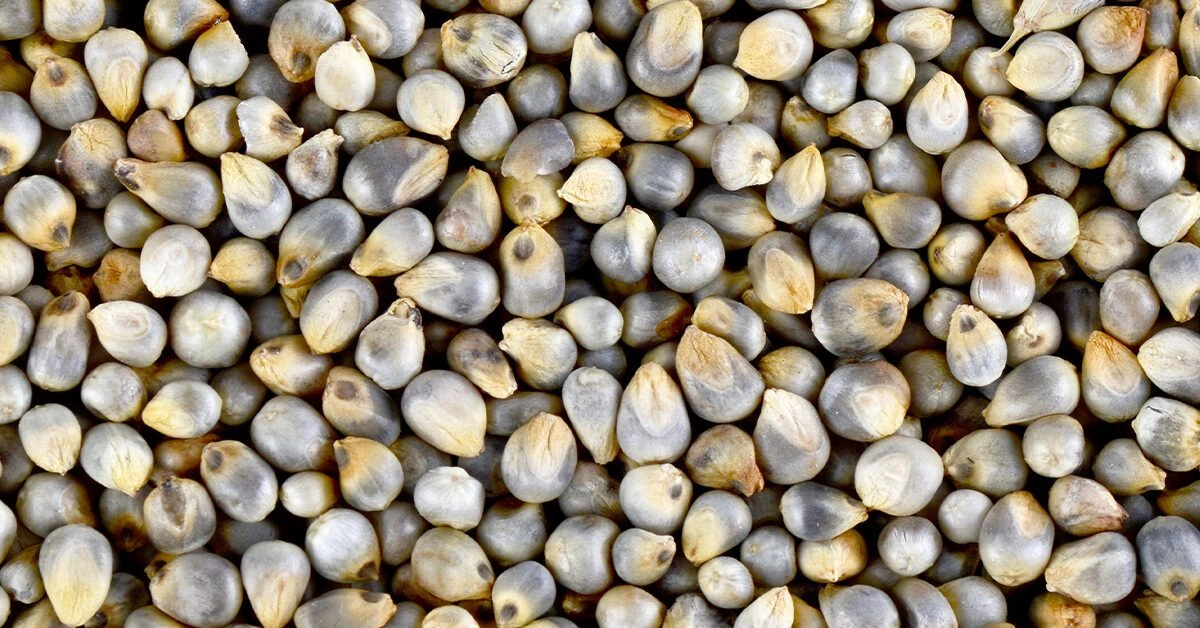
Bajra is the traditional Hindi term for the Pennisetum glaucum plant — commonly referred to as pearl millet.
It’s also called dukn, cumbu, gero, sanio, kambu, babala, or bulrush millet (1).
This grain is mainly cultivated in Africa and India, where it serves as a staple food. That said, it’s grown and eaten in various regions across the globe.
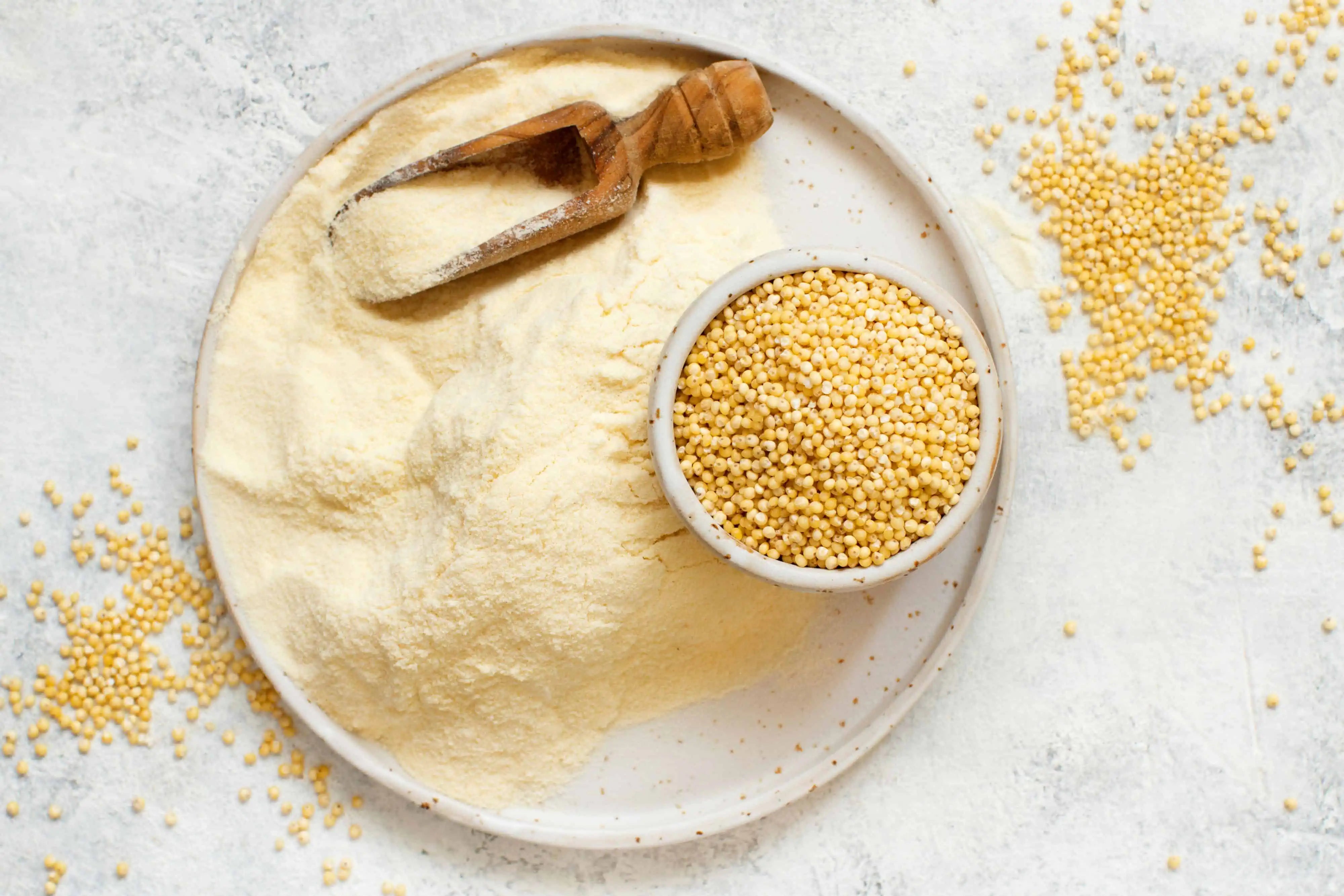
The name bajra denotes the edible seeds of the pearl millet plant. Seeds come in hues of white, yellow, gray, brown, and bluish-purple.
They are commonly prepared as a cereal grain or ground finely into flour for baking and cooking.
This piece gives a concise overview of bajra and the potential health advantages it offers.
Bajra nutrition
Bajra is one among many millet varieties. Other common millets include fonio, finger millet (ragi), Job’s tears, foxtail, and kodo millet.
Most millets boast strong nutritional qualities, and bajra is no exception (2).
Below is the typical nutrient breakdown for 1 cup (170 grams) of cooked millet (3):
- Calories: 201
- Protein: 6 grams
- Fat: 1.7 grams
- Carbs: 40 grams
- Fiber: 2 grams
- Sodium: 286 mg
- Folate: 8% of the Daily Value (DV)
- Iron: 6% of the DV
- Magnesium: 18% of the DV
- Thiamine: 15% of the DV
- Niacin: 14% of the DV
- Phosphorus: 14% of the DV
- Zinc: 14% of the DV
- Riboflavin: 11% of the DV
- Vitamin B6: 11% of the DV
Cooked millet generally supplies a good amount of protein and carbohydrates and a fair amount of fiber. It’s also a notable source of several vitamins and minerals, making it a nutritious carbohydrate option (2, 4).
Additionally, millet is naturally gluten-free, making it suitable for those with celiac disease or people following a gluten-free regimen — provided the product is certified gluten-free to avoid cross-contamination (4).
Bajra contains beneficial plant compounds such as antioxidants, polyphenols, and various phytochemicals, which are known to support overall health (5).
However, some of these polyphenols can also hinder the absorption of certain minerals in bajra, including iron and zinc (6, 7).
Summary: Like many millets, bajra is nutrient-rich, offering protein, carbohydrates, vitamins, minerals, and health-promoting plant compounds.
Does bajra have health benefits?
As with other whole grains, bajra’s health value largely stems from its status as an intact grain.
Regular consumption of whole grains such as bajra may help reduce the risk of chronic illnesses like type 2 diabetes, heart disease, and some cancers (8, 9, 10).
Beyond these general benefits, bajra might offer some advantages specific to the grain itself.
May aid weight loss
If weight loss is your goal, incorporating whole grains with low calorie density like bajra may help.
Calorie density compares a food’s calories to its weight (grams) or volume (mL).
For instance, a food with 100 calories per 100-gram portion has a calorie density of 1, while a food with 400 calories per 100 grams has a density of 4.
Lower calorie-density foods can increase satiety while providing fewer calories. Foods above a calorie density of 2.3 are generally categorized as high (11).
Bajra’s calorie density is about 1.2, so including such low-density grains in your meals may support weight-loss efforts (11, 12, 13).
May be a good choice for people with diabetes
Most millets are considered favorable choices for people with diabetes.
High-fiber foods, particularly cereal fibers like those in bajra, have been linked to better outcomes in managing type 2 diabetes and related chronic conditions (14).
Millet tends to have a lower glycemic index (GI) compared with refined grains such as white rice and white bread. Emerging studies in animals and humans suggest millet proteins may help improve blood sugar control (2, 4, 15, 16).
Typical GI values for millets range from 43–68. Foods with a GI of 55 or below are generally considered low (2).
The GI reflects how much a food raises blood glucose. Lower-GI foods are commonly recommended for diabetes management (17).
Glycemic load (GL) may sometimes be a better indicator because it accounts for typical portion sizes. A GL of 10 or less is low, while 20 or more is high.
One study reported that millet flakes have a GL of 9.2, indicating a low glycemic load (18).
Keep in mind that some supporting studies did not focus on bajra specifically, and the role of GI and GL in diabetes care is debated. More research is necessary to clarify millet’s precise effects on blood sugar (19).
Contains nutrients that may support healthy hair, skin, and nails
People often claim bajra is beneficial for hair, but the grain itself hasn’t been directly tested as a hair remedy.
Still, bajra provides many nutrients that are important for hair, skin, and nail health, including (20, 21, 22):
- protein
- vitamin B6
- niacin
- folate
- iron
- zinc
Including bajra regularly in your diet can help prevent shortfalls in these nutrients.
Yet, because direct research is limited, we can’t conclusively say bajra alone improves hair, skin, or nail condition.
Summary: Possible benefits of regular bajra consumption include support for weight loss, improved blood-sugar measures, and a richer intake of nutrients linked to healthier hair, nails, and skin.
How to cook bajra
Bajra is flexible and can replace rice, quinoa, oats, or other grains in many dishes.
To cook bajra, bring 1 cup (170 grams) of millet and 2 cups (473 mL) of water or stock to a boil. Reduce to a simmer and cook for about 15 minutes to yield a light, fluffy grain.
If you prefer a porridge-like texture, add up to 1 extra cup (237 mL) of water, milk, or stock. Toasting the dry millet briefly before adding liquid deepens its nutty flavor.
Before cooking, bajra is sometimes soaked for hours or even days in water or in a Lactobacillus-rich dairy such as buttermilk or kefir. Fermentation of millet and its flour is common across Africa and Asia; it alters taste and likely affects nutrient availability (23, 24).
One investigation discovered that pearl millet flour fermented and frozen for two days had a roughly 30% rise in certain phenolic compounds. Phenolics are plant-derived chemicals that may help the body respond to aging, inflammation, and chronic disease (23, 25).
Although research is limited, some studies indicate that soaking or sprouting millet before eating it, as well as its initial processing, affect the bioavailability of nutrients like iron, zinc, calcium, and antioxidants (24, 26, 27).
Other ways to eat bajra
Bajra is frequently milled into a fine flour used to prepare rotis and other flatbreads.
Beyond flatbreads, bajra flour can be used for cakes, pasta, or as a gluten-free substitute for other flours in many recipes.
Another enjoyable form is puffed bajra, similar to popcorn. You can buy pre-puffed millet snacks or make them at home. Puffed bajra is a tasty snack by itself or as an ingredient in sweet or savory bars.
To pop millet at home, place 1 cup (170 grams) of bajra in a dry skillet. Heat over medium-low and let it sit a few minutes until the grains begin to turn golden. Stir lightly, then continue until most grains have popped and puffed.
Genuine bajra pearl millet can be hard to locate in some regions, though you may find it via online retailers or specialty stores that sell African, Asian, and particularly Indian foods. Bajra flour is often easier to source.
Summary: Like many cereal grains, bajra is usually boiled, but it’s also used as flour or made into puffed snacks.
Does bajra have any risks?
For most people, moderate consumption of bajra is safe. Being gluten-free, it’s suitable for those with celiac disease provided cross-contamination is avoided.
One concern is that bajra and other millets contain antinutrients — substances that can limit absorption of certain beneficial minerals.
Research indicates bajra may contain phytates, oxalates, and other antinutrients that could reduce absorption of iron, zinc, phosphorus, and other micronutrients when eaten in the same meal (24, 28, 29).
However, studies suggest that fermenting, soaking, or sprouting millet and the methods used in processing can lower antinutrient levels and improve mineral bioavailability (24, 26, 27, 29).
Importantly, the advantages of eating nutrient-dense foods that contain some antinutrients usually outweigh the disadvantages of avoiding those foods altogether.
Moreover, soaking, fermenting, or sprouting millet can reduce its antinutrient content (30).
Summary: Though bajra includes some antinutrients that can impair mineral absorption, it is generally safe for most people, including those on gluten-free diets.
The bottom line
Bajra is a form of pearl millet mainly cultivated in Africa and India, though its use extends worldwide.
This gluten-free grain is relatively low in calories but rich in nutrients that may support weight management, better blood-sugar control, and other health outcomes.
Risks from regular bajra consumption are minimal, and the grain is highly adaptable in cooking. Still, authentic bajra pearl millet may be hard to come by in some locales.
If you can get bajra, try swapping it in for rice or quinoa in your favorite dishes to explore this nutritious grain. For related herbal beverage benefits, consider reading about saffron tea benefits as a complementary topic.















Leave a Reply
You must be logged in to post a comment.