


A pressure bandage (sometimes called a pressure dressing) is a dressing intended to exert pressure on a specific area of the body.
Generally, a pressure bandage does not have adhesive and is placed over a wound that’s been covered with an absorbent layer. That absorbent layer may or may not be secured with sticky tape.
Pressure bandages are applied to help control bleeding and promote clot formation while avoiding interruption of normal circulation. They also serve to:
- reduce swelling
- shield the wound from contamination
- protect the injured region from further harm
- limit heat and fluid loss
Continue reading to find out when and how to use a pressure bandage and what precautions to take.
When to use a pressure bandage
Clinicians commonly use pressure bandages after operations. Emergency medical personnel also employ them frequently.
Initial wound care
If you or someone near you has a deep, heavily bleeding wound, a pressure bandage may be necessary. First, follow these immediate steps:
- Call emergency services or arrange prompt transport to an emergency facility.
- If needed, reveal the entire wound by removing nearby clothing; you might have to cut clothing away. If clothing is stuck to the wound, work around it.
- Do not attempt to wash the wound or withdraw any impaled objects.
- Place a dressing over the wound. If sterile, nonstick gauze isn’t available, use the cleanest, most absorbent cloth you can find.
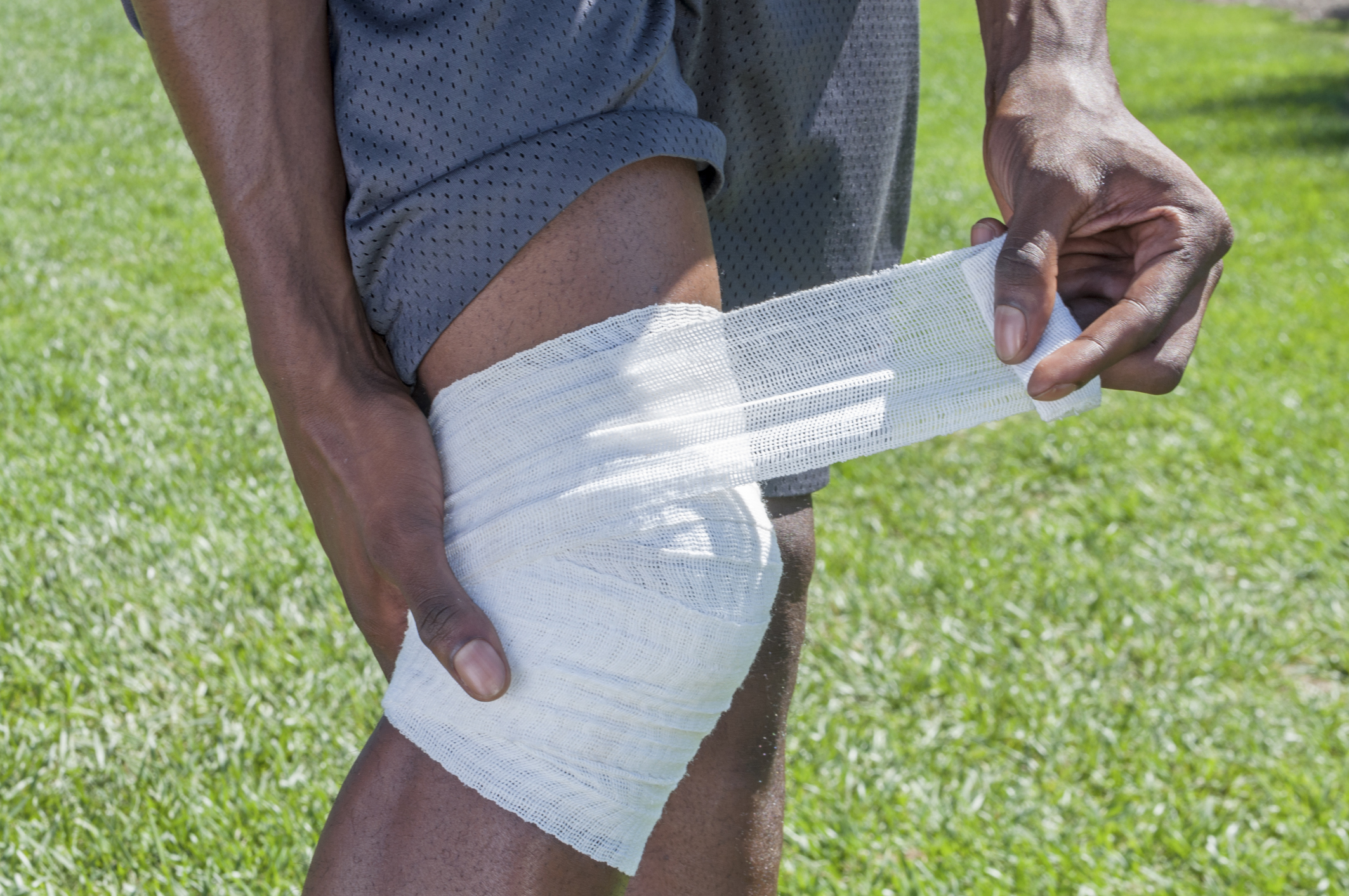
- Fold a 3-foot length of cloth into a strip about 4 inches wide and wrap it snugly but gently around the limb, then secure it with a firm yet adjustable knot. Position the knot over an unaffected part of the limb, not directly on the wound.
- Watch for signs that the bandage is too tight. If the injured limb turns blue or feels cool, slightly loosen the wrap.
- Elevate the wound above the person’s heart. If fractures are suspected, splint the limb before raising it.
- Apply manual pressure over the wound with your hand for 5 to 10 minutes.
After these steps, the wound should be more stable. If blood soaks through the dressing or continues to drip out from beneath it, you’ll need a more effective pressure bandage to prevent significant blood loss.
Excessive bleeding can lead to:
- a drop in blood pressure
- reduced blood volume
- abnormal heart rate or rhythm
- low oxygen levels
- loss of consciousness
- death
How to put on a pressure bandage
If elevation, gauze, and direct pressure don’t control the bleeding, take these steps:
- If the wounded person is stable and alert, have them sip fluids to help restore blood volume.
- Cut strips of cloth from clothing if needed to fashion a pressure bandage.
- Crumple some strips into a pad and place them directly over the wound.
- Wrap a longer piece of cloth around the limb and the pad, then tie the ends together. The pressure should be sufficient to halt bleeding but not so tight that it acts as a tourniquet (completely stopping blood flow). As a check, you should be able to slide a finger under the knot.
- Alternatively, if available, an elastic pressure bandage (such as an ACE wrap) can be applied over gauze and an absorbent pad.
- Check the toes or fingers beyond the bandage to ensure the wrap isn’t too tight. If they’re not warm and pink, loosen the dressing.
- Inspect frequently to confirm bleeding has ceased.
- If signs of impaired circulation develop in the limb (pale or bluish color, coolness, numbness), ease the bandage.
Pressure bandage for snakebite
A pressure bandage can also be used to manage bites from venomous snakes.
Per the Queensland Children’s Hospital, applying firm pressure over the vessels at the site of a venomous snake bite can slow the spread of venom into the bloodstream.
Risks of pressure bandages
If a pressure bandage is applied too tightly around an extremity, it effectively becomes a tourniquet.
A tourniquet obstructs arterial blood flow. When tissues are deprived of oxygen-rich blood — including nerves, vessels, and muscles — permanent damage may occur, potentially resulting in loss of the limb.
After placing a pressure bandage, regularly monitor the area to ensure it hasn’t been tightened excessively or become too constrictive due to swelling, while maintaining appropriate pressure.
Takeaway
For certain wounds, a pressure bandage can aid in controlling bleeding and help blood clot over the injury.
It’s crucial not to make the pressure bandage overly tight, because you don’t want to stop arterial blood flow.
Pressure bandages are also useful in first aid for venomous snake bites to slow venom entry into the circulatory system.


















Leave a Reply
You must be logged in to post a comment.