
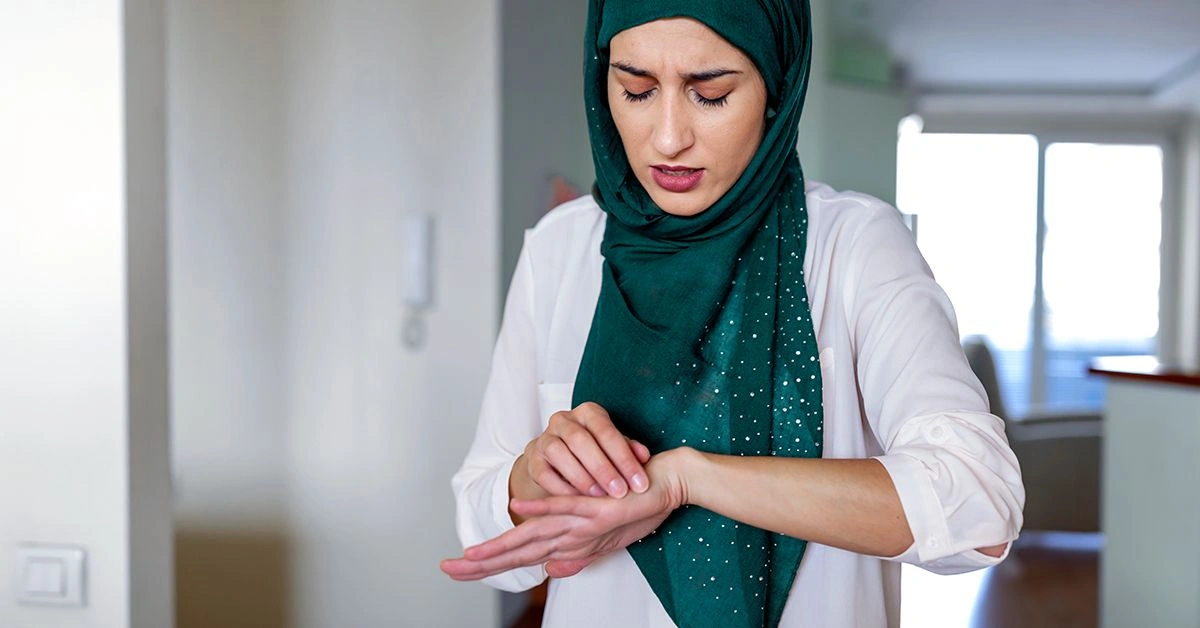
Depending on your symptoms, it can be simple to confuse eczema with a form of skin cancer ― or the other way around. The most reliable way to determine which you have is to consult your physician.
Each year, tens of millions of Americans cope with symptoms from skin disorders. According to the American Academy of Dermatology Association (AAD), skin diseases affected 84.5 million people in the U.S. in 2016 alone.
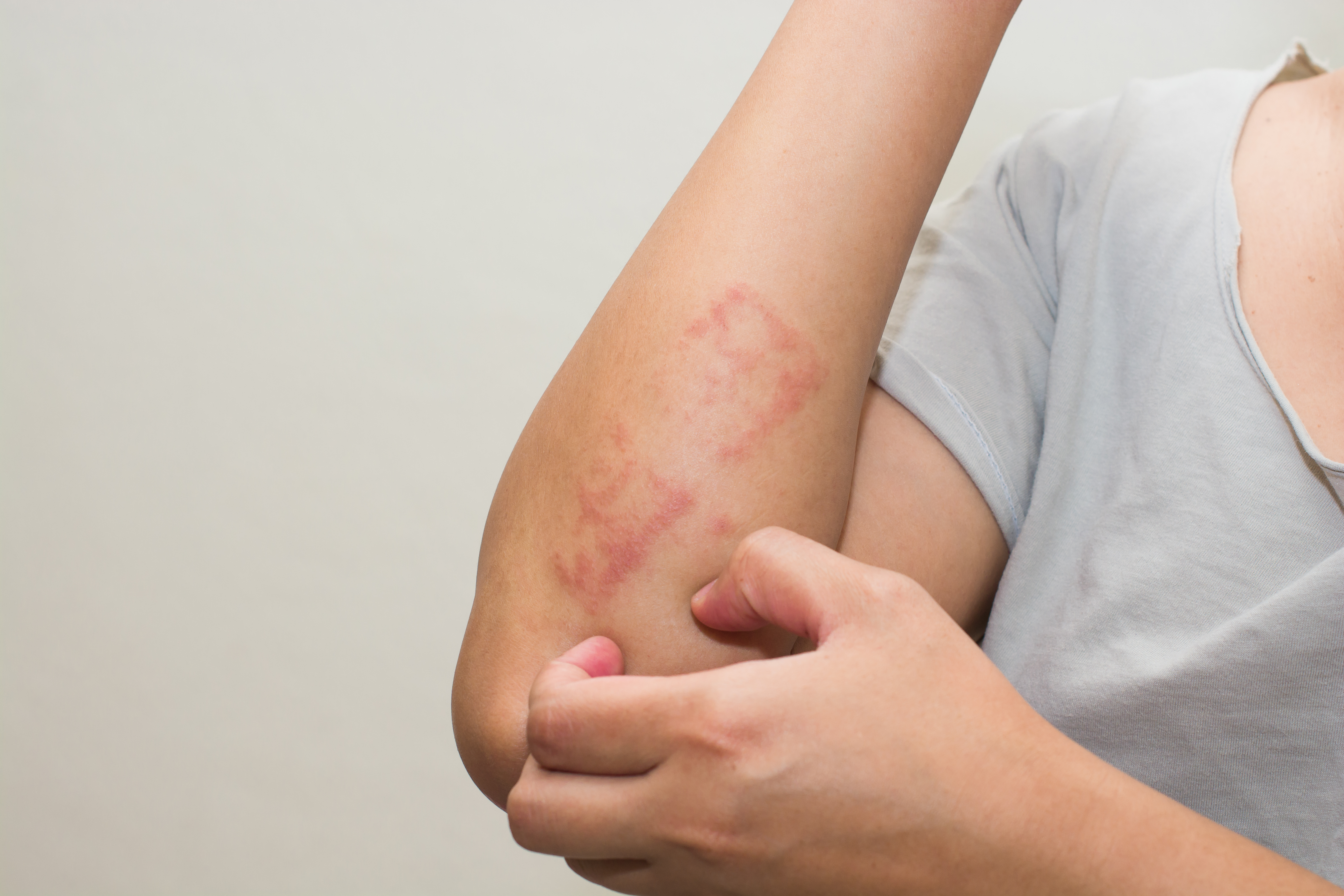
Certain skin issues, such as eczema and various skin cancers, can produce overlapping signs ― like red, flaky, or itchy areas. Nevertheless, there are distinguishing features in how these two conditions present, even though they may initially look alike.
Could eczema be misidentified as skin cancer?
Eczema is a long-term skin disorder that leads to dry, itchy, red, and inflamed patches. While “eczema” is commonly used to refer to atopic dermatitis, the label actually covers around eight related types of skin disease.
Many people picture skin cancer as a new, unexplained mole, but skin cancer includes several kinds with different presentations. Depending on the specific type, some symptoms may resemble those of eczema.
All precancerous and cancerous skin changes can show up in various ways, including causing itchiness. Below are some skin cancer signs that can mirror eczema symptoms:
- scaly or crusted lesions, which may indicate actinic keratosis
- itchy, sore, or bleeding patches, possibly a sign of basal cell carcinoma
- scaly red or dark red areas, which can be associated with squamous cell carcinoma
Even with these overlaps, there are notable differences between eczema and skin cancer:
- Eczema patches usually emerge in multiple locations at the same time and can be larger. These lesions often show up in areas with limited sun exposure, like the armpits or groin.
- Skin cancer more commonly appears as a single localized spot on the skin and seldom appears simultaneously in many places. It’s also more likely to develop on skin that receives frequent sun exposure.
Another distinction is timing: eczema frequently starts early in life, often before age 6. Skin cancer, conversely, is more common in adults, with risk rising as people get older.
Which skin cancers can resemble eczema?
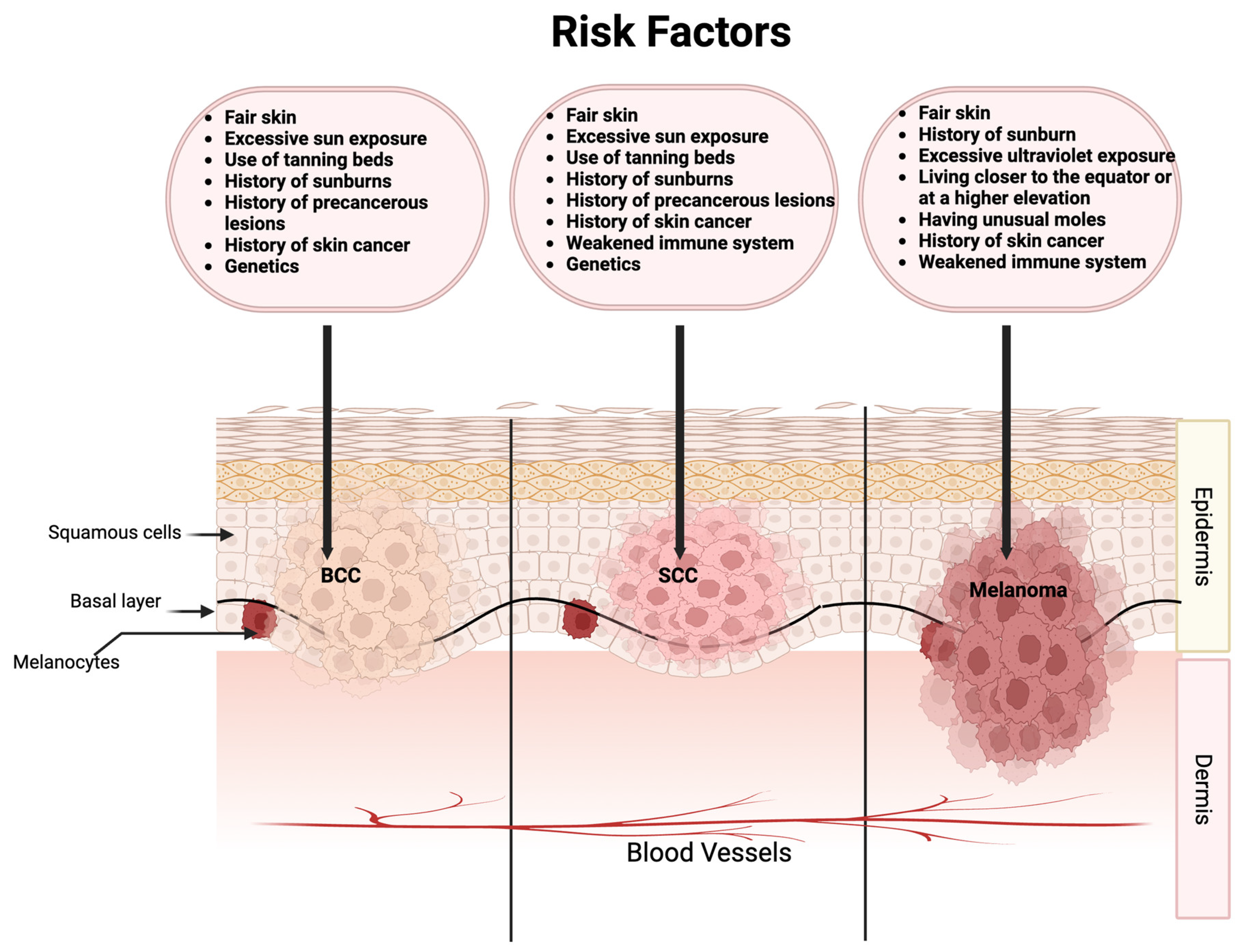
Several skin cancers may present symptoms similar to eczema, notably actinic keratosis (a precancerous change), basal cell carcinoma, and squamous cell carcinoma.
Actinic keratosis
Actinic keratosis, also called solar keratosis, shows up as rough, scaly, or crusty spots that form after years of sun exposure.
These lesions typically develop on sun-exposed areas like the scalp, face, shoulders, and neck. Because they are often small, they can be mistaken for nummular eczema.
Basal cell carcinoma
Basal cell carcinoma affects the basal cells in the skin’s outermost layer.
This cancer can make the skin appear red, discolored, brown, blue, black, scabbed, or bloody, and it may be itchy or painful, resembling eczema. It can also present as a sore that won’t heal, a shiny bump, or an elevated growth.
Squamous cell carcinoma
Squamous cell carcinoma involves the squamous cells in the skin’s outer layer.
Because it often appears as scaly, red, discolored, or crusty lesions and nodules, this type of cancer frequently looks most like eczema. It can produce intense itching, which may lead to additional redness and swelling.
How is skin cancer excluded?
The primary method to definitively rule out skin cancer is a skin biopsy. In this procedure, a clinician removes a small tissue sample and sends it to a lab to determine whether cancer cells are present.
Both basal cell and squamous cell carcinomas are very treatable when detected early. If you notice any possible warning signs of skin cancer, it’s important to see your doctor promptly.
Takeaway
Eczema is a common skin condition in children and adults, marked by itchy, dry, irritated patches. Some eczema symptoms overlap with those of certain skin cancers, particularly basal cell and squamous cell carcinoma.
If you discover any new or concerning bumps, patches, or sores on your skin, reach out to your healthcare provider to voice your concerns. Early evaluation can either rule out serious disease or lead to timely treatment if needed.



















Leave a Reply
You must be logged in to post a comment.