
Parabens are a group of chemical preservatives that have been incorporated into personal care items since the 1920s. The cosmetics sector has long depended on parabens to prolong the shelf life of products such as:
- shampoos
- conditioners
- skin care products
- soaps
However, over the last ten years concerns have grown about the effects of prolonged parabens exposure. Although nearly every beauty product uses preservatives to extend longevity, cosmetics labeled paraben-free may be a safer choice.
The label “paraben-free” signals to shoppers that these potentially problematic preservatives aren’t included in the formulation.
This piece will outline why paraben-free options could be preferable and point you toward products that have removed paraben preservatives.
Why might they be dangerous?
Parabens can mimic the human hormone estrogen. Because of that, they may disrupt hormonal balance in the body, regardless of gender.
The estrogen-like action of parabens has been shown to alter how your hormones are regulated. This raises red flags because it suggests parabens could affect reproductive processes such as menstruation and pregnancy.
Studies also indicate parabens are readily absorbed through the skin, and regular use of paraben-containing beauty items can lead to buildup in the body. Continuous exposure to parabens may contribute to the growth of breast cancer cells in women. There are ecological consequences as well.
Some individuals experience allergic reactions to parabens. Symptoms can include:
- redness
- irritation
- itchiness
- flaking
- hives
The Food and Drug Administration (FDA) presently has no specific regulations governing parabens. Cosmetic products don’t require testing or FDA approval before sale, and preservatives (including parabens) are treated the same as other components in cosmetic formulations.
Which products commonly contain parabens?
Parabens are frequently present in many types of beauty items, including:
- liquid and powder foundation
- BB and CC creams
- tinted moisturizers
- sunscreen
- cream and powder blush
- moisturizing face creams
- body lotions
- shampoo
- conditioner
- leave-in conditioner
- shaving cream
- lipstick
- lip balm
- petroleum jelly
Paraben-free alternatives
If you want to avoid parabens, there are many alternative beauty products available.

Makeup
The following companies have pledged to keep their makeup ranges free from parabens:
- Real Purity
- Mineralogie
- Afterglow Cosmetics
Many bareMinerals items are paraben-free, although some of their formulations still include parabens. Check ingredient lists carefully if you want to steer clear of parabens.
Clinique’s product line wasn’t always paraben-free, but recent formula revisions removed parabens from their cosmetics.
Skin care
These brands have committed to paraben-free formulations across their skin care offerings:
- Burt’s Bees
- WELEDA
- Naturopathica
Aveeno offers numerous paraben-free options, though not every product in their range is without parabens. Here’s a list of Aveeno’s paraben-free items.
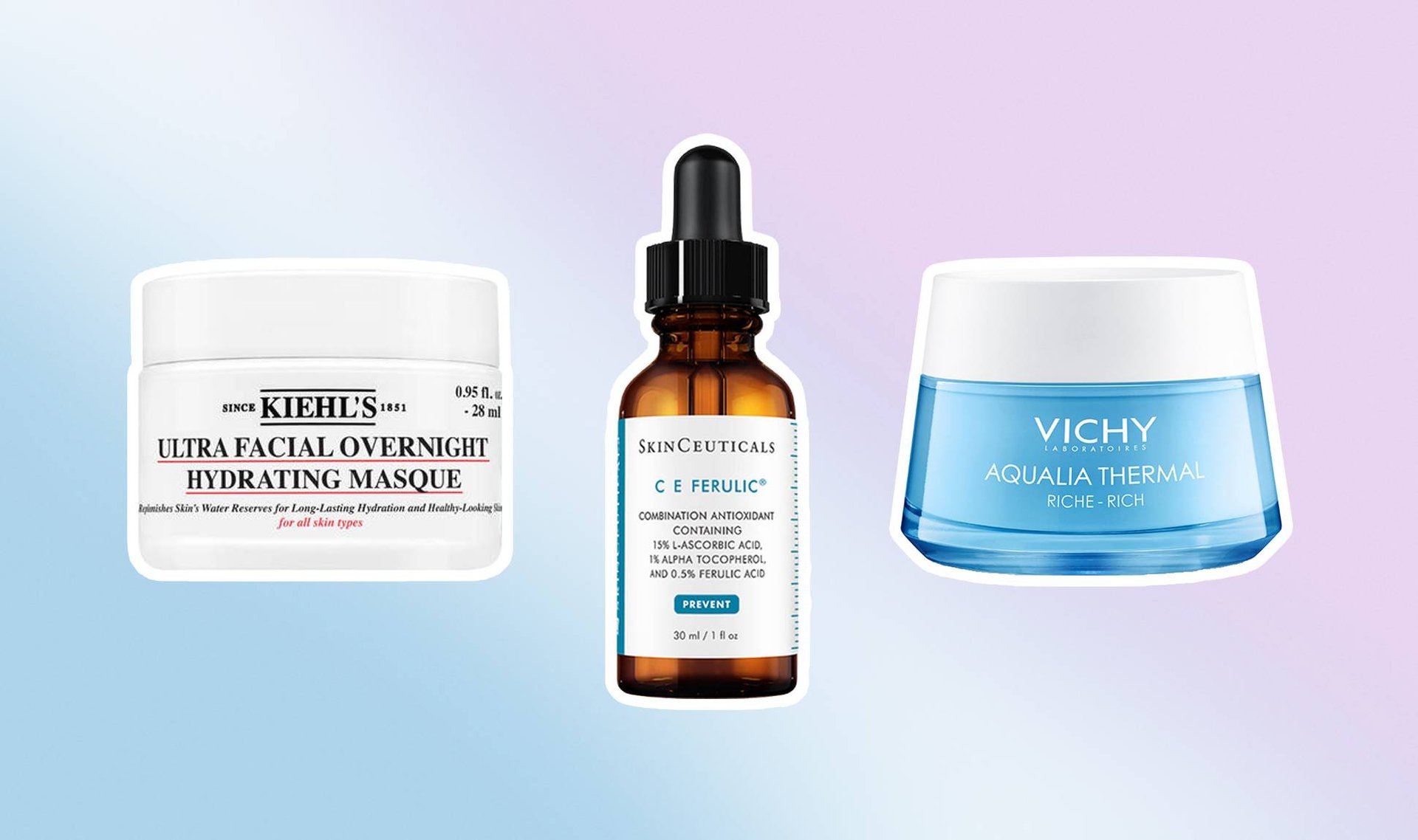
Certain Cetaphil products are paraben-free, but not their entire catalog. Cetaphil lists its paraben-free skin care items on a helpful page.
Shampoo
Many shampoo brands now offer paraben-free choices, though only a few eliminate parabens in every single formula. The brands below say they aim to be paraben-free “wherever possible,” but always read labels if you need a truly paraben-free product:
- SheaMoisture shampoos and conditioners
- Trader Joe’s shampoos and conditioners
- Morrocco Method hair care products
- Real Purity hair care
What to check on a label
Products that are paraben-free commonly display phrases like “free from parabens” or “0% parabens” on their packaging.
If packaging isn’t explicit, inspect the ingredients list. Methylparaben, propylparaben, and butylparaben are among the most frequent paraben compounds to watch for.
Names such as isopropylparaben and isobutylparaben also reveal the presence of parabens. The term “parahydroxybenzoate” is another way parabens may appear on labels.
Where to buy
These brands can be purchased online:
- Real Purity Cosmetics
- Mineralogie
- Afterglow Cosmetics
- bareMinerals
- Clinique
- Burt’s Bees
- WELEDA
- Naturopathica
- Aveeno
- Cetaphil
- SheaMoisture shampoos and conditioners
- Morrocco Method hair care products
- Real Purity hair care
If you also use eye care products, consider looking into preservative free eye drops as part of reducing preservative exposure.
The takeaway
Parabens may adversely affect your health, particularly with regular exposure through daily beauty routines. There’s no current FDA limit on how many parabens can be included in cosmetic products.
If you’re worried about their potential effects, numerous paraben-free brands and formulations exist that can help lower your overall exposure to these preservatives.










Leave a Reply
You must be logged in to post a comment.