Skin & Beauty
The “Skin & Beauty” category features articles on skincare routines, beauty tips, products, and treatments, offering advice to enhance skin health and overall beauty.

5 Easy DIY Treatments for Chapped Lips
To relieve chapped lips, gently remove flaky skin before applying coconut oil, honey, or other common kitchen remedies. Chapped lips can occur any time of year. If it’s not cold, dry air causing your lips to crack and peel, it may be sun exposure or irritating cosmetics that are drying them out. While commercial lip balms can help, there are several natural home treatments you can try for relief. Below,…
Thermage vs. Ultherapy
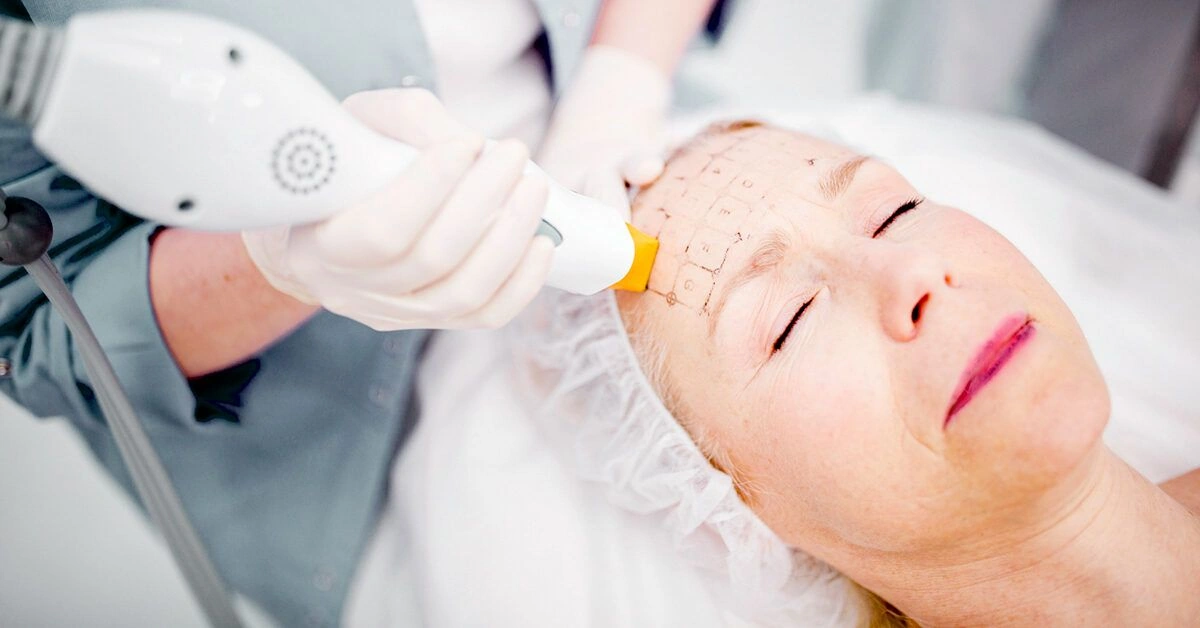
Treatment sessions for noninvasive approaches that address aging skin often take under 90 minutes and involve minimal to no downtime. That’s why options like Thermage and Ultherapy are becoming more popular among people aiming to reduce wrinkles, firm loose skin, and look younger. Both technologies tackle similar concerns, but there are important distinctions to consider when choosing the best approach for your goals. Keep reading to learn about: how Thermage…

What Is Mesotherapy?
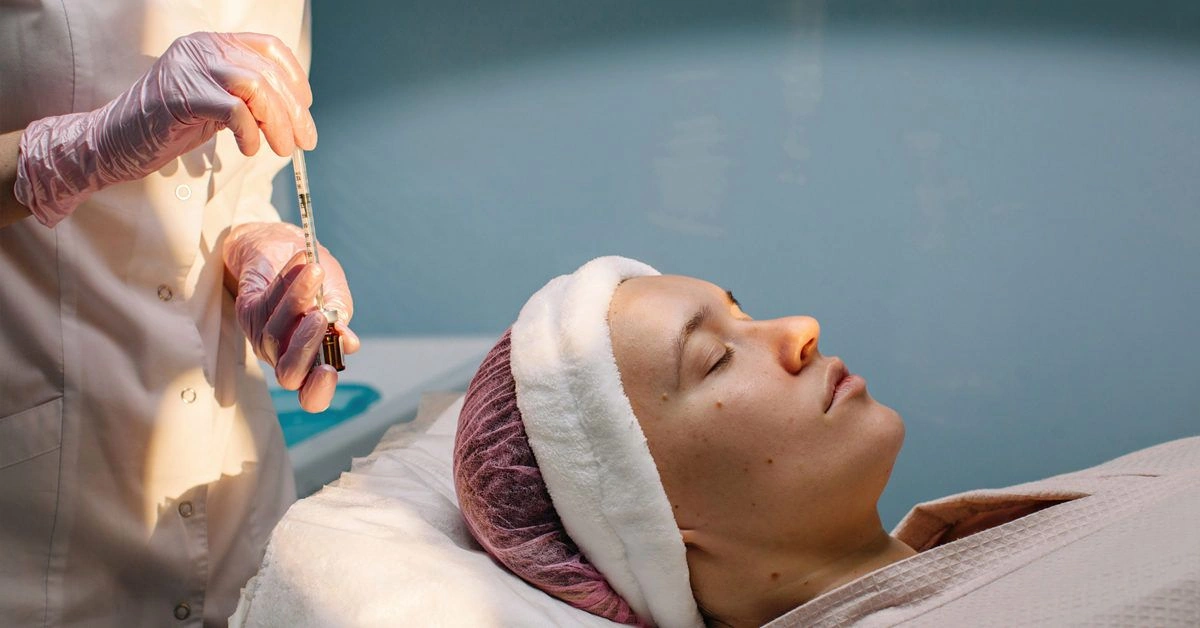
Mesotherapy is a procedure that involves injecting vitamins, enzymes, hormones, and botanical extracts to revive and firm the skin, as well as to reduce localized fat deposits. (img by Trambellir) Developed in 1952 by French physician Michel Pistor, the method was first used to ease pain. Over time, it has spread in popularity across the United States and other countries. Nowadays, mesotherapy is applied to: eliminate fat from areas such…
8 Things You Need to Know About ‘Skin Detoxing’
If you spend a lot of time on the internet, you’ve probably encountered headlines about the need to “detox” your skin — and your home, social circle, and pretty much every aspect of life. “Detox” has become a buzzword. Much like clean beauty and the broader wellness craze, “skin detoxing” is being promoted as a bona fide trend. But when you look a bit closer, the picture isn’t quite as…
8 Tips for Managing Coarse Hair
Coarse hair often needs extra hydration to avoid breakage. You may also want to steer clear of overly drying products and techniques. Despite common misconceptions, having coarse hair doesn’t automatically mean it’s difficult to style. In reality, “coarse hair” simply refers to strands that are thicker and have a larger diameter than many other hair types. When attended to properly, these bulkier strands can hold waves or styles well and…
6 Benefits and Uses of Grapefruit Essential Oil
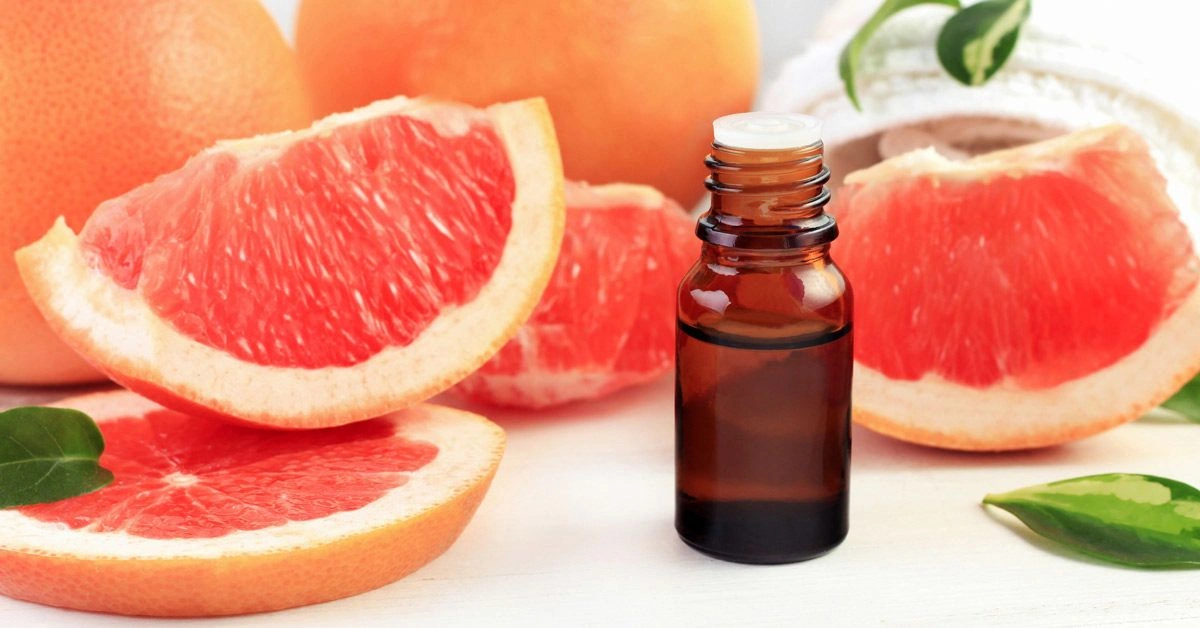
Grapefruit essential oil is a citrus-scented, orange-hued oil commonly employed in aromatherapy. The oil is obtained by cold-pressing the tiny glands found in the grapefruit rind. Grapefruit essential oil has unique characteristics that may provide various health advantages — such as lowering blood pressure and easing stress. Below are 6 potential benefits and applications of grapefruit essential oil. 1. May Reduce Appetite For people aiming to curb an excessive appetite,…
Radiesse: What You Need to Know
Fast facts About Radiesse is an injectable cosmetic therapy used to restore volume to targeted areas of the face and the hands. It triggers your body’s own collagen production, smoothing wrinkles over the long term while encouraging new collagen formation. This treatment targets folds and lines around the nose and mouth, areas of facial fat loss, and the backs of hands where volume has diminished. The majority of people receiving…
Is It Possible to Decrease Melanin Production or Deposits for Lighter Skin?
Key takeaways Skin lightening procedures can diminish existing melanin accumulations. Examples include laser treatments, intense pulsed light (IPL) therapy, and certain topical formulations. Approaches to reduce melanin production involve using sunscreen and minimizing sun exposure. Some individuals try natural options like turmeric and lemon juice to brighten the skin, but evidence for their effectiveness is limited and they can potentially irritate or damage the skin. (img by DNA Skin Clinic)…
How to Close Your Pores
You can lessen the visible size of your pores through consistent skin care habits, such as daily cleansing, regular moisturizing, and periodic exfoliation. Pores are present all over your skin — on your face, neck, arms, legs, and the rest of your body. They serve a vital role by allowing sweat and oil to pass through the skin, helping cool you and maintain skin health. Pores are also the openings…
Is Lightening Your Hair with Hydrogen Peroxide Damaging?
Hydrogen peroxide is a clear liquid chemical. Small traces appear naturally, but the hydrogen peroxide sold in shops or salons is produced in laboratories. In pharmacies and supermarkets, hydrogen peroxide is available at low strengths, typically between 3 and 9 percent. It is used as a disinfectant and bleaching agent, including for lightening hair. For this reason, hydrogen peroxide features in many blonde hair color products. Although using hydrogen peroxide…