Skin & Beauty
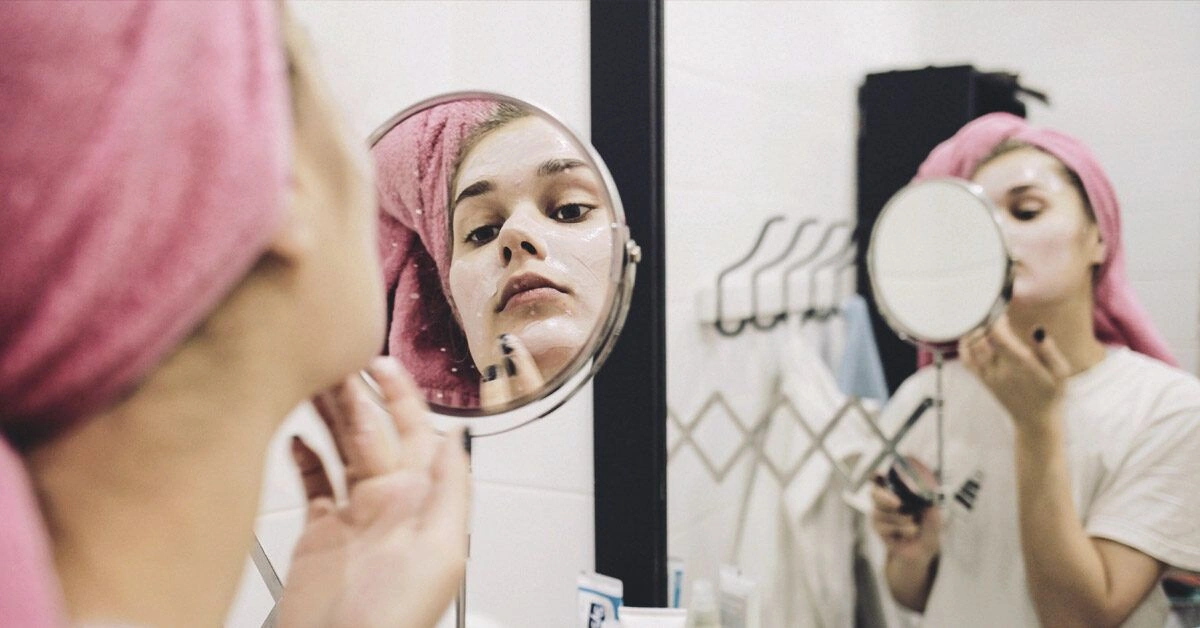
The “Skin & Beauty” category features articles on skincare routines, beauty tips, products, and treatments, offering advice to enhance skin health and overall beauty.

Rubbing Alcohol vs. Hydrogen Peroxide for Killing Germs
Both hydrogen peroxide and rubbing alcohol can eliminate germs. Generally, rubbing alcohol is suitable for use on skin and certain surfaces, whereas hydrogen peroxide is typically reserved for surfaces only. Rubbing alcohol and hydrogen peroxide are two familiar household antiseptics. You’ve likely encountered one or both of these compounds at some time. Neither is categorically superior to the other. Their antimicrobial power depends on how they’re applied and the specific…
How to Use a Pumice Stone
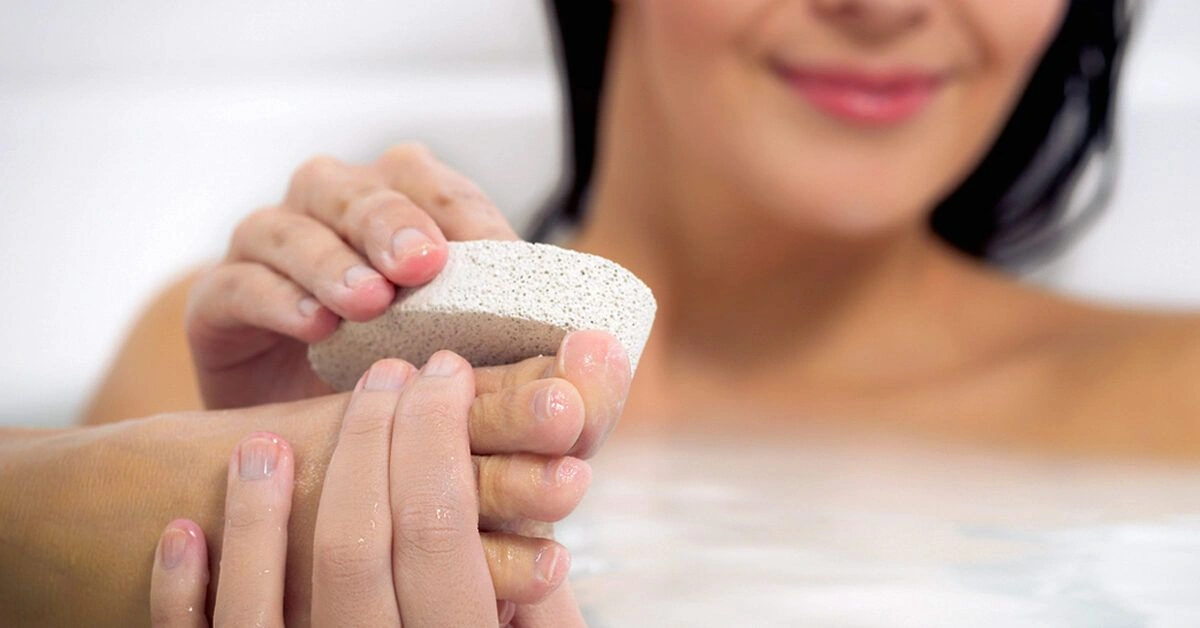
A pumice stone can remove dead skin and soften calluses, but improper use may lead to bleeding or raise the chance of infection. Pumice forms when lava and water interact, creating a lightweight yet abrasive rock used to slough off dry, dead skin. It also helps soften calluses and corns, reducing discomfort caused by friction. (img by Jaws Podiatry) You may use a pumice stone regularly, but it’s crucial to…
What Are the Benefits of Cuticle Oil?
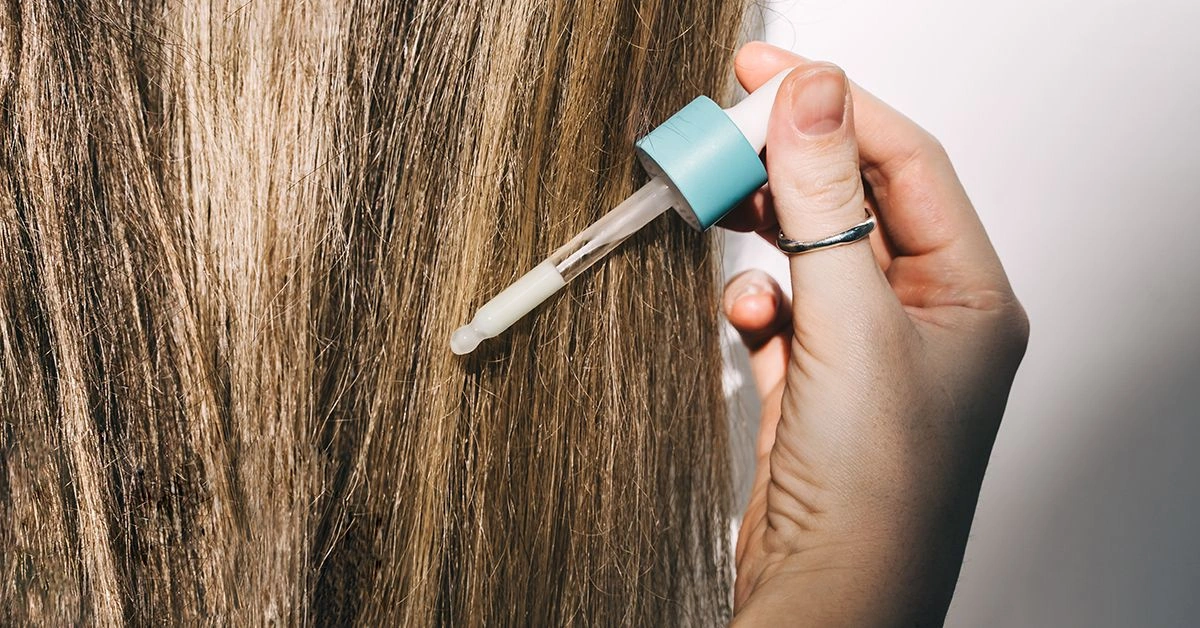
Cuticle oil is a hydrating treatment formulated for the nails and the surrounding skin. It’s typically comprised of plant-based oils and often enriched with vitamins or mild acids such as citric acid. When cuticles are repeatedly subjected to harsh cold, strong sun, chlorine, or water that’s salty or soapy, they can become rough, split, and dehydrated. In those situations of pronounced dryness or damage, applying cuticle oil can help replenish…
How to Use Scalp Bleach to Safely Color Your Hair
(Grant Faint/Getty Images) Using a bleach formulation labeled safe for scalp application and following the manufacturer’s instructions can reduce the chance of adverse effects such as burns. Bleaching is a process that lightens hair color. Through chemical action, a bleaching agent interacts with the hair’s pigment (melanin) and strips away the color. Bleaching products often include strong ingredients. Hydrogen peroxide is commonly present, among other agents. Bleaching frequently makes hair…
Remedies for Dark Elbows
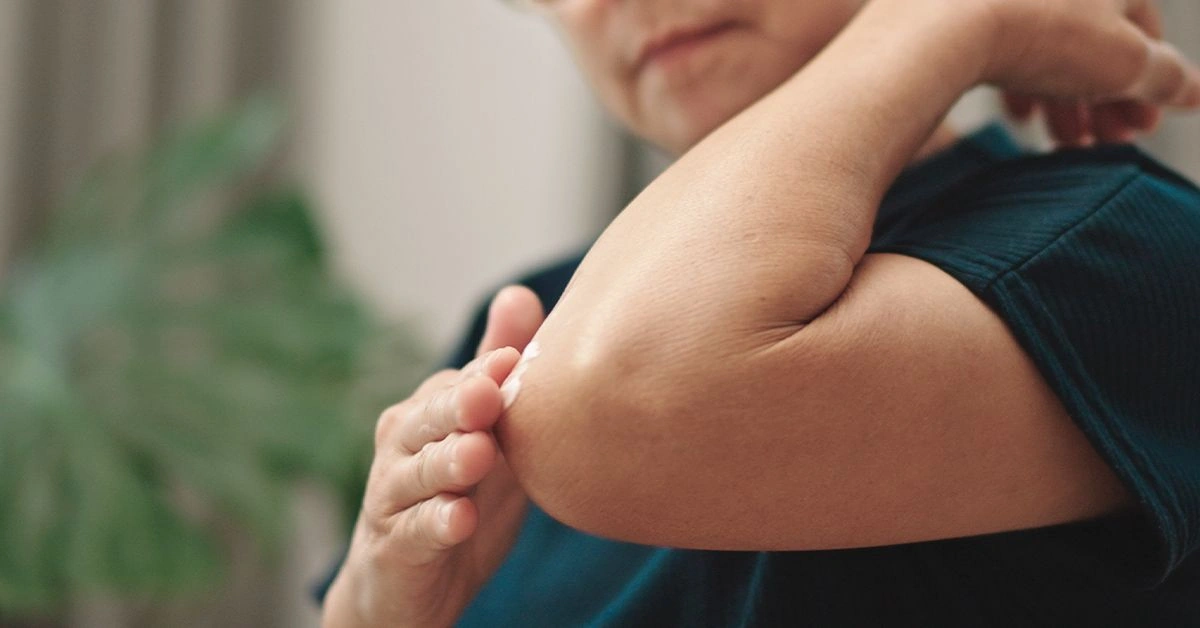
Dark elbows happen when the skin on your elbows becomes noticeably darker than the surrounding arm tissue. Multiple factors can contribute, but there are practical measures you can take at home to reduce their appearance. (img by Minimalist) Common causes of dark elbows include: a buildup of dead skin cells hyperpigmentation worsened by sun exposure use of certain contraceptive pills melasma (darkened patches) following pregnancy freckles and age-related spots skin…
Everything You Need to Know About a Mini Facelift
A mini facelift is a scaled-down version of a traditional facelift. In this “mini” approach, a plastic surgeon makes smaller incisions near the hairline to lift the lower portion of the face and address sagging skin. Fast facts About A mini facelift is a cosmetic corrective operation aimed at easing drooping skin. By concentrating on the lower facial region, the primary objective is to improve sagging around the jawline and…
AHA vs. BHA: What’s the Difference?
AHAs and BHAs are both classes of hydroxy acids used to exfoliate the skin. You’ll commonly encounter AHAs and BHAs in a range of products, including: cleansers toners moisturizers scrubs peels masks Depending on the formula strength, a product may simply lift dead skin cells from the surface, or it may strip away the entire outermost layer. Neither hydroxy acid type is inherently “superior.” Both deliver powerful exfoliation; the distinction…
What’s the Proper Order to Use Shampoo and Conditioner While Bathing?
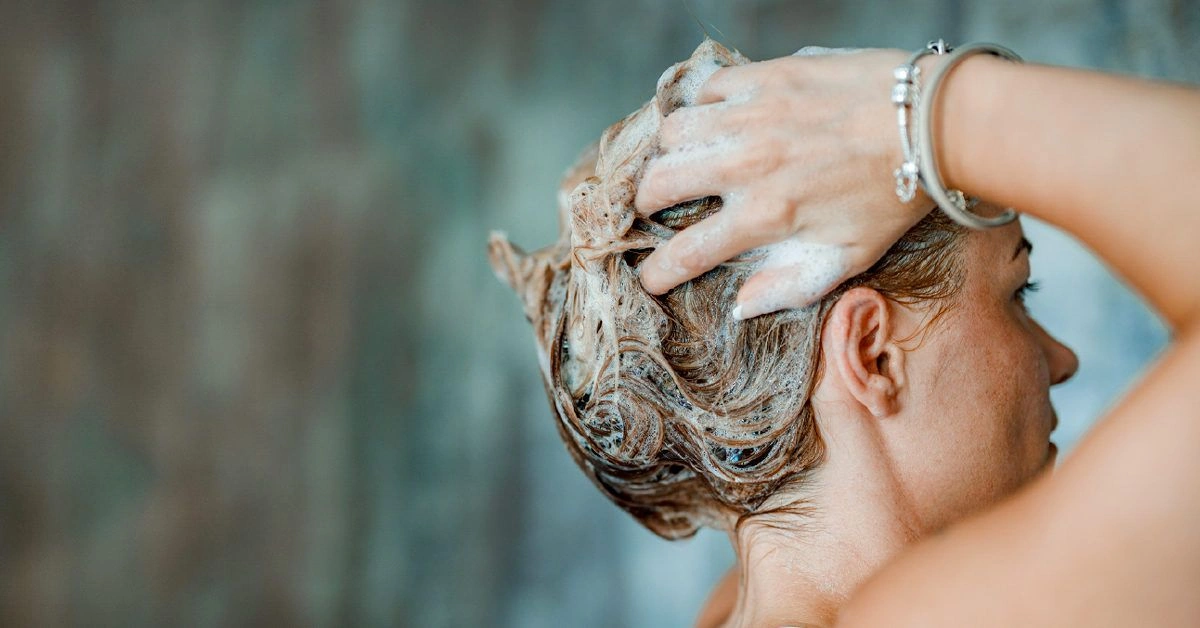
Shampoo functions as a cleanser. It contains surfactants and detergents that lift away oil, sweat, grime, product residue, and pollutants from your hair. Conditioners, conversely, are formulated with natural oils, proteins, and botanical extracts that help maintain hair softness, shine, and smoothness. They leave a thin protective layer on the hair after rinsing. Most people lather shampoo onto their hair, rinse, and then apply conditioner. Shampooing clears away dirt and…
Areola Reduction Surgery: What to Expect
Your areolas are the pigmented rings that surround the nipples. Like breasts, areolas come in many sizes, hues, and shapes. Having large or uneven areolas is common. If their size bothers you, surgical reduction is an option. (img by Dr Prince plastic surgeon) Areola reduction is a fairly straightforward operation that decreases the diameter of one or both areolas. It can be done as a standalone procedure or combined with…
Home Remedies for Dry Hair
When your hair feels parched to the touch, it may also be fragile and difficult to style. Altering your hair care habits and boosting certain nutrients in your diet can help bring back hair’s vitality and appearance. Dry hair doesn’t necessarily indicate an underlying medical issue or that your hair is unhealthy. Exposure to sunlight, styling with heat, humidity, smoking, and other factors can all lead to dry, damaged strands.…