
AHAs and BHAs are both classes of hydroxy acids used to exfoliate the skin.
You’ll commonly encounter AHAs and BHAs in a range of products, including:
- cleansers
- toners
- moisturizers
- scrubs
- peels
- masks
Depending on the formula strength, a product may simply lift dead skin cells from the surface, or it may strip away the entire outermost layer.
Neither hydroxy acid type is inherently “superior.” Both deliver powerful exfoliation; the distinction lies in their typical uses and effects.
Keep reading to understand those differences so you can decide whether an AHA or BHA product better suits your skin.
Do they offer similar benefits?
Both AHAs and BHAs function as chemical exfoliants.
Both can
- reduce inflammation, which is a contributor to acne, rosacea, and other issues
- minimize the look of enlarged pores and surface fine lines
- even out skin discoloration
- enhance overall skin texture
- slough off dead skin cells
- clear clogged pores to help prevent breakouts
How do AHAs and BHAs differ?
AHA stands for alpha hydroxy acid, while BHA stands for beta hydroxy acid.
AHAs are water-soluble acids typically derived from sugary fruits. They work by exfoliating the skin’s surface so newer, more evenly pigmented cells can surface, leaving skin feeling smoother.
By contrast, BHAs are oil-soluble. Because they can penetrate oily pores, BHAs are able to remove dead cells and excess sebum deeper within the follicle.
Which acid should you pick?
AHAs are commonly used to address:
- mild hyperpigmentation such as age spots, melasma, and scarring
- noticeably large pores
- fine lines and surface wrinkles
- uneven skin tone
Although AHAs are often advertised as suitable for all skin types, those with very dry or reactive skin should proceed cautiously. You may need to phase them in gradually to prevent irritation.
BHAs are better geared toward acne and sun-related damage. They penetrate hair follicles to reduce excess oils and dead skin cells, helping to unclog pores. For that reason, BHAs are typically the go-to choice for combination to oily skin. Lower strengths can sometimes be tolerated by sensitive skin, and BHAs may also help ease rosacea-related redness.
PRO TIPIf your main goal is hydrate and anti-aging improvements, try an AHA. If you want to treat acne, consider a BHA.
How to use AHAs
All AHAs produce notable exfoliation, though effects vary slightly across different acids. Aim for AHA products with concentrations generally between 10 and 15 percent. Introduce new products every other day until your skin acclimates, which also lowers the chance of side effects like irritation.
Because AHAs intensify sun sensitivity, apply sunscreen every morning to avoid burns, additional pigmentation, and higher skin cancer risk.
Glycolic
Glycolic acid is the most prevalent AHA and is sourced from sugar cane.
Glycolic delivers strong exfoliation, making it versatile for many concerns. Its antimicrobial qualities may also assist in preventing breakouts.
Glycolic appears in peels and daily care items, such as:
- Juice Beauty Green Apple Peel, full strength
- Exuviance Triple Microdermabrasion Face Polish
- DermaDoctor Wrinkle Revenge Cleanser
- Mario Badescu Glycolic Acid Toner
Lactic
Lactic acid is another frequent AHA. Unlike many fruit-derived AHAs, lactic acid comes from lactose in milk. It’s noted for effective exfoliation and anti-aging advantages.
Like glycolic, lactic is included in diverse products, for example:
- Patchology Milk Peel FlashMasque
- Dermalogica Gentle Cream Exfoliant
- DermaDoctor Ain’t Misbehavin’ Toner
- Rodial Super Acids Sleep Serum
Tartaric
Tartaric acid, made from grape extracts, is a less prominent AHA but may help with sun damage and acne-related signs.
Some Juice Beauty products with tartaric acid include:
Citric
Citric acid is derived from citrus fruits. It’s often used to balance skin pH and smooth rough texture. Citric works well as a serum or toner before moisturizer and can complement sunscreen for better UV protection.
Consider these daytime-friendly options:
- Exuviance Age Reverse Day Repair SPF 30
- Philosophy Ultimate Miracle Worker SPF 30
- Exuviance Daily Resurfacing Peel CA10
- Resurrection Beauty Citric Acid Powder
Malic
Malic acid, sourced from apples, sits between AHA and BHA characteristics. As a standalone ingredient it’s less potent than some other AHAs, but it can boost the effectiveness of partner acids.
For this reason malic is often included in combination AHA formulas such as:
Mandelic
Mandelic acid, derived from almonds, has larger molecules and can be combined with other AHAs to intensify exfoliation. On its own it may improve texture and reduce pore appearance.
Look for combination products that include mandelic acid like:
- Exuviance Performance Peel AP25
- Exuviance Night Renewal HydraGel
- Vivant Skin Care Mandelic Acid 3-1 Wash
- Cellbone Mandelic Acid Peel
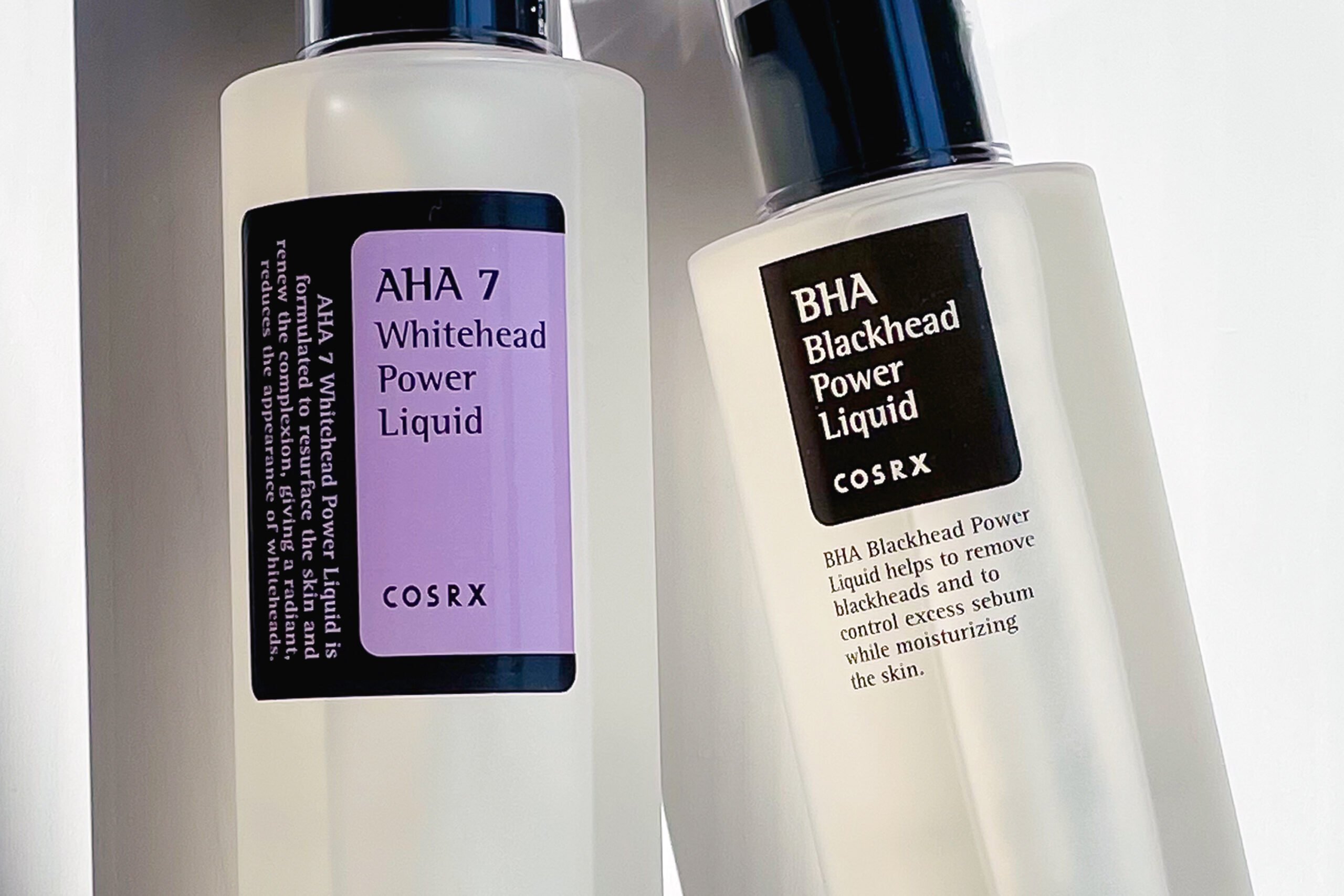
How to use BHAs
BHAs can also be used daily, but it’s wise to start a few applications per week until your skin adjusts. While BHAs generally increase sun sensitivity less than AHAs, you should still use sunscreen every day to prevent additional sun damage.
Salicylic acid
Salicylic acid is the most common BHA and is typically formulated between 0.5 and 5 percent depending on the product. It’s well established as an acne solution and can also reduce redness and inflammation.
Examples of salicylic-containing products include:
- Uplifting Miracle Worker Cool-Lift and Firm Moisturizer
- Philosophy Clear Days Ahead Oil-Free Salicylic Acid Acne Treatment Cleanser
- Skyn Iceland Blemish Dots with Salicylic Acid
- Proactiv+ Blackhead Dissolving Gel
Citric acid
Although citric acid is mostly classed as an AHA, some formulations act with BHA-like properties. Those versions focus less on pH balance and more on reducing excess sebum and clearing dead cells from within pores. An example is Philosophy’s Purity Made Simple Pore Extractor.
Combining AHA and BHA products
A 2009 review suggests that using AHAs and BHAs together can improve skin plumpness, possibly by stimulating collagen synthesis in both the dermis and epidermis.
For that reason, some occasional-use items like Proactiv+ Mark Correcting Pads include both types of acids.
However, avoid layering AHAs and BHAs directly on top of each other in the same routine — since both are exfoliants, combining them can lead to over-drying and irritation.
PRO TIPAlternate them by using one in the morning and the other at night.
You can also alternate days, which is useful if you’re using at-home chemical peels containing AHAs.
Another approach is targeted application: apply an AHA to dry areas and a BHA to oilier zones if you have combination skin.
For more on pairing acids with other actives, see this guide to aha and retinol.
The takeaway
AHAs and BHAs offer overlapping advantages, as both provide exfoliation.
That said, each is better suited to specific goals. AHAs are often preferred for anti-aging and hydration-focused needs, while BHAs are typically more effective for calming inflammation and treating acne.
If you’re uncertain which is right for you, consult a dermatologist. They can address your concerns and recommend suitable ingredients or products.














Leave a Reply
You must be logged in to post a comment.