
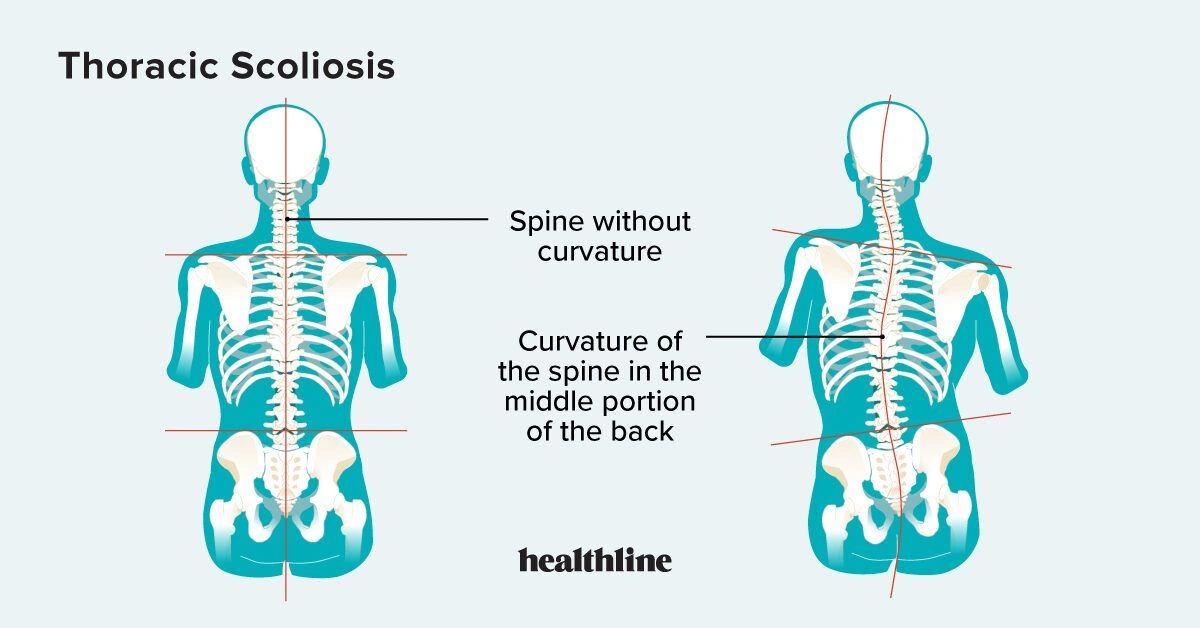
A sideways curve in the section of your spine that forms the upper and middle back is known as thoracic scoliosis. This type of spinal deformity is frequently identified in children and adolescents, but Curvature of the spine in adults can also occur and may require specialized management. Treatment approaches range from careful monitoring and conservative therapies to surgical correction, depending on severity.
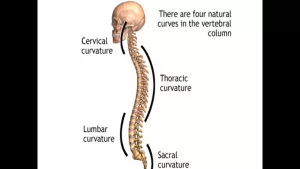
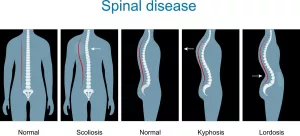
When viewed from the side, the spine naturally has gentle forward and backward curves that support balance and shock absorption. However, when seen from behind, a healthy spine should appear straight.
In some individuals, the spine curves sideways. This condition is called scoliosis and can cause the back to look uneven or asymmetrical from behind. It affects 2–3% of the population of the United States.
Thoracic scoliosis refers specifically to a sideways curve involving the thoracic spine — the upper and middle back. Continue reading to learn more about thoracic scoliosis, including causes, symptoms, and available treatment options, particularly in the context of Curvature of the spine in adults.
What is thoracic scoliosis?
Thoracic scoliosis occurs when scoliosis affects the thoracic spine, which makes up the upper and middle portion of the back.
The thoracic spine consists of 12 vertebrae. Thoracic scoliosis most often develops around the eighth and ninth thoracic vertebrae, located approximately at the center of the back.
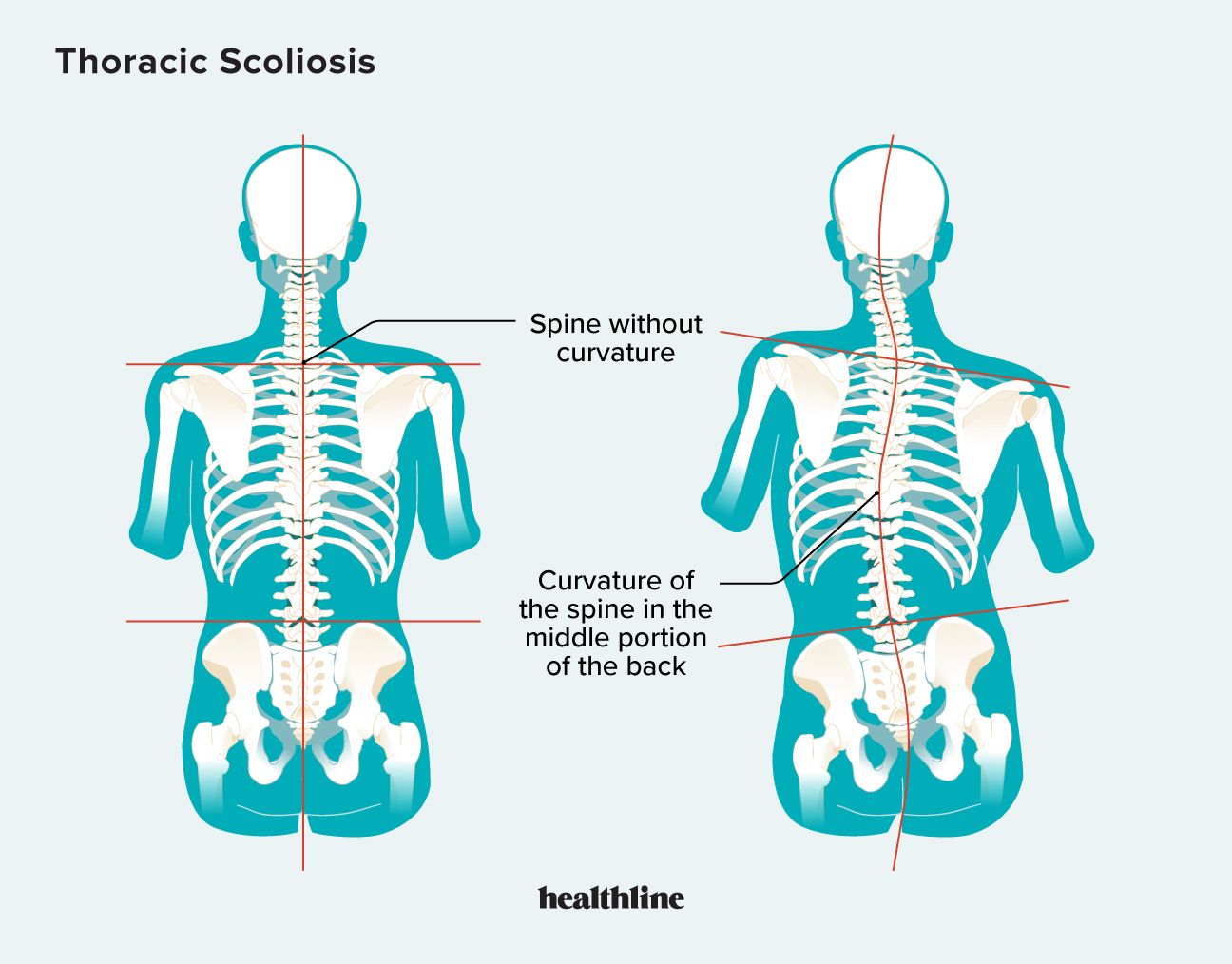
In most cases, the curve bends to the right side. Left-sided thoracic curves are less common overall.
A diagnosis of thoracic scoliosis is typically made when the curve measures greater than 10 degrees. Curvatures exceeding 45–50 degrees are considered severe and often require more aggressive intervention.
Although scoliosis most frequently begins between 10 and 15 years old, Curvature of the spine in adults may either progress from adolescence or develop due to degenerative spinal changes later in life.
What are the symptoms of thoracic scoliosis?
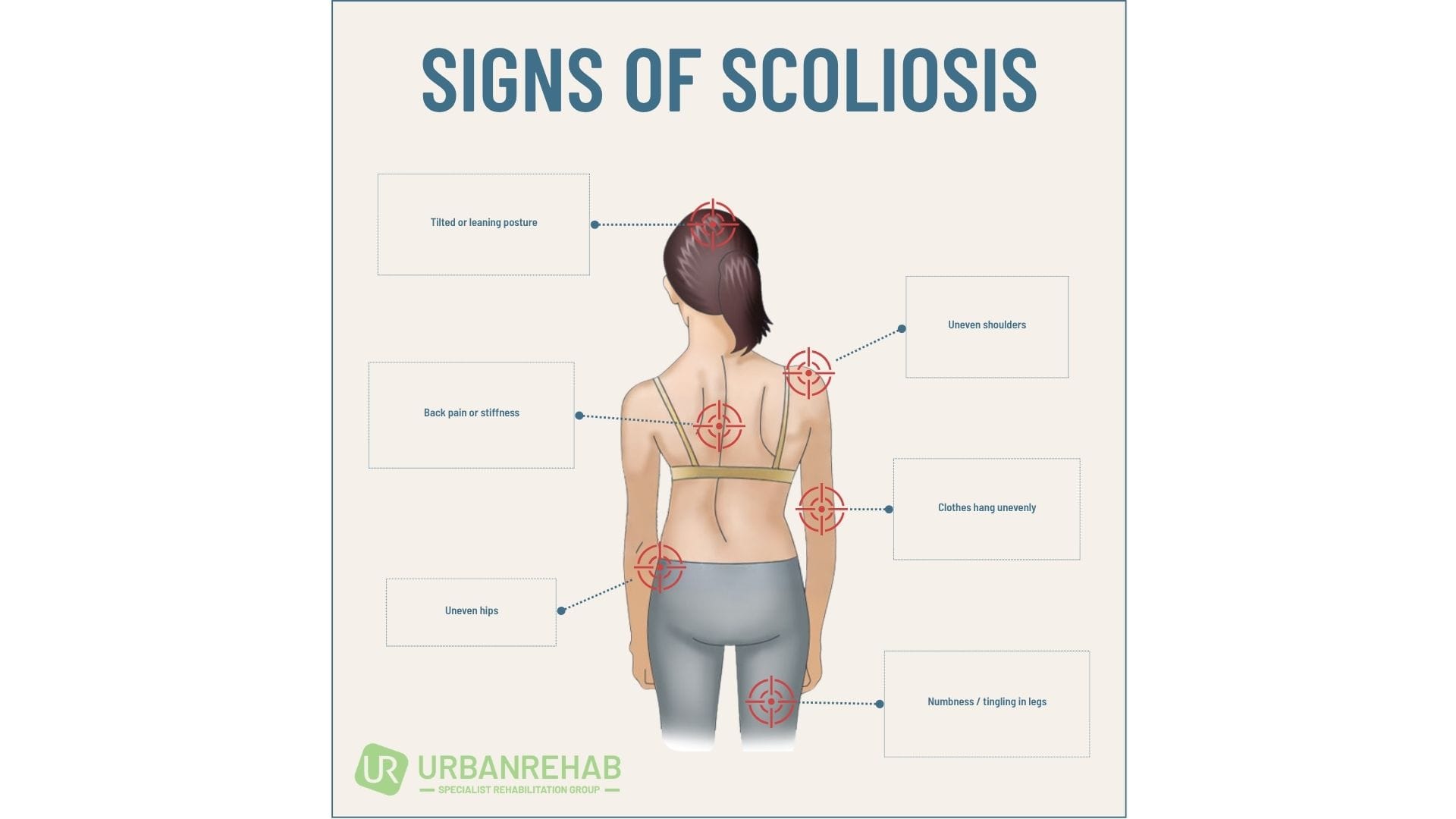
The sideways spinal curvature seen in thoracic scoliosis can produce several noticeable physical changes, including:
- a visible curve affecting the upper or middle back
- uneven shoulders
- one shoulder blade protruding more than the other
- ribs that appear more prominent on one side
- an uneven waistline
If the curve becomes more pronounced or worsens over time, additional complications may develop, such as:
- back pain
- lung problems, including shortness of breath and reduced tolerance to exercise
- nerve compression
In adults, symptoms may be more noticeable due to age-related wear and tear of the spine, which can intensify discomfort and functional limitations.
What causes thoracic scoliosis?
In many individuals, the underlying cause of scoliosis cannot be identified. This type is known as idiopathic scoliosis. Approximately 80% of people with scoliosis have idiopathic scoliosis.
Genetic factors appear to contribute. Around 30% of those with idiopathic scoliosis have a family history of the condition.
Other causes of thoracic scoliosis include:
- Congenital scoliosis: Present at birth, this form occurs when parts of the spine do not develop correctly in the womb.
- Neuromuscular scoliosis: This type results from conditions affecting the nerves or muscles. Examples include:spinal cord injurymuscular dystrophycerebral palsyspina bifidaspinal muscular atrophy
In addition, degenerative changes associated with aging can contribute to Curvature of the spine in adults, especially when combined with conditions such as arthritis or disk degeneration. In some cases, this may coexist with issues like a curved spine (lower back), further complicating posture and mobility.
How bad is the pain due to thoracic scoliosis?
Many individuals with mild thoracic scoliosis experience little to no pain. However, when the curvature is significant or continues to progress, discomfort may develop.
Pain can affect the upper back and shoulders. Because the rib cage is attached to the thoracic spine, some people also report chest wall or rib discomfort.
Thoracic scoliosis may cause pain for several reasons:
- Postural imbalance can strain muscles and joints.
- Spinal curvature may irritate or compress nearby nerves, resulting in sharp pain or tingling.
- Coexisting conditions, such as arthritis or degenerative disk disease, may intensify symptoms, particularly in adults.
Back pain is more common in people with lumbar scoliosis. For those dealing with lower spinal alignment concerns, understanding Straightening of lumbar spine treatment may provide additional insight into comprehensive spinal care. Still, thoracic scoliosis can also produce discomfort, and scoliosis-related pain is more common in adults.
Can thoracic scoliosis be corrected?
Yes. Surgical correction is possible when thoracic scoliosis is severe or progressively worsening. Surgery is generally recommended when the curvature:
- is greater than 40 degrees in children and adolescents
- is greater than 50 degrees in adults and associated with reduced quality of life or symptoms such as pain and nerve damage
The most common surgical approach is spinal fusion, which aims to correct and stabilize the spinal curve.
During spinal fusion, the surgeon realigns the vertebrae and inserts small pieces of bone, known as bone grafts, between the affected bones.
Over time, the grafts and vertebrae fuse together into a single, solid segment. Metal rods or screws may also be used to maintain stability while fusion occurs.
How else can you treat thoracic scoliosis?
Conservative, nonsurgical treatments are frequently used, particularly for mild to moderate curves and in growing adolescents.
Observation
If the spinal curvature measures less than 25 degrees, a doctor may recommend observation.
In children and adolescents, monitoring typically occurs every 6–12 months until skeletal maturity. Adults are generally evaluated less often, about once every 5 years, unless symptoms worsen.
If imaging shows progression, treatment strategies may be adjusted accordingly.
Bracing
Bracing is often recommended for growing individuals with curves between 25 and 45 degrees.
This treatment involves wearing a brace for most of the day. Braces may be rigid or dynamic, and the specific design depends on individual needs and curve characteristics.
Although bracing does not reverse existing thoracic scoliosis, it can reduce the likelihood of progression to the point where surgery becomes necessary.
A 2015 study of 69 adolescent females with idiopathic thoracic scoliosis found that bracing achieved curve correction in 85.5% of participants. Curvature remained stable in 13%, while only 1.5% experienced progression.
Other nonsurgical treatments
Pain management is important, especially for adults with Curvature of the spine in adults who experience chronic discomfort.
Over-the-counter nonsteroidal anti-inflammatory drugs (NSAIDs), such as ibuprofen (Advil, Motrin) or naproxen (Aleve), may help relieve pain. In some cases, nerve block injections can provide relief for severe symptoms.
Targeted exercise programs can strengthen supporting muscles, improve posture, and assist with weight management. These measures may help reduce mechanical stress on the spine. Working with a physical therapist can offer structured guidance tailored to individual spinal alignment and mobility needs.
Takeaway
Thoracic scoliosis is a form of scoliosis that affects the upper and middle back. While it most commonly develops during adolescence, Curvature of the spine in adults may persist or progress later in life.
Severe cases can be corrected surgically, but many individuals benefit from conservative treatments such as observation, bracing, pain management, and physical therapy. A healthcare professional can recommend a personalized approach based on curve severity, symptoms, and overall health status.










Leave a Reply
You must be logged in to post a comment.