
As a parent, you pick up a lot during those early years alongside your youngster. Beyond the fundamentals — ABCs, counting, shapes, and colors — you likely memorize countless nursery rhymes and short verses. And then there’s the practice of sitting criss-cross applesauce at story time.
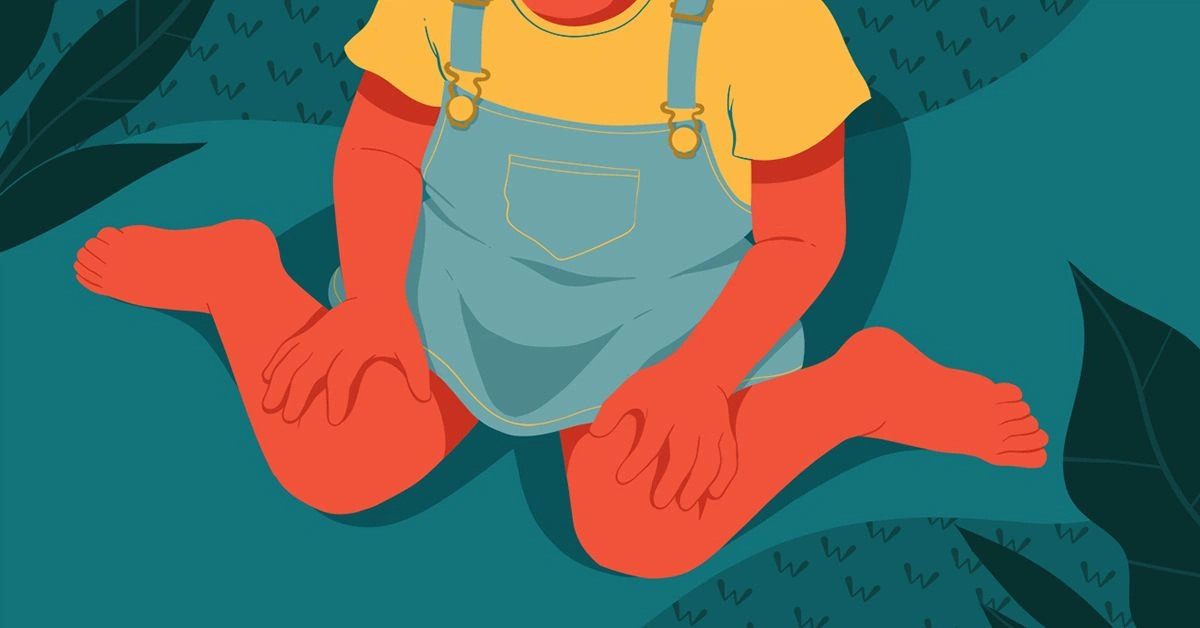
Have you observed your child sitting with their legs forming a W shape? If not yet, you might soon — this is a common posture children adopt, especially while playing on the floor. It’s known as W-sitting.
You may have come across mixed opinions about this posture — some say it’s harmless, others warn it could be problematic. Here’s a rundown of what W-sitting is, why it happens, and what questions to bring up with your pediatrician if you’re worried.
Related: Ages and stages: How to monitor child development
What is W-sitting?
W-sitting describes when a child sits with their knees angled forward while their ankles and feet sit out to the sides of their hips, creating that recognizable W silhouette. It might look awkward, but kids generally have greater internal hip rotation and flexible joints compared with adults, so the position usually isn’t painful.
This posture is fairly typical and can be part of normal growth. Children may prefer W-sitting because it provides a broader base of support while they play. In this stance they don’t need to engage their core muscles as much to remain upright.
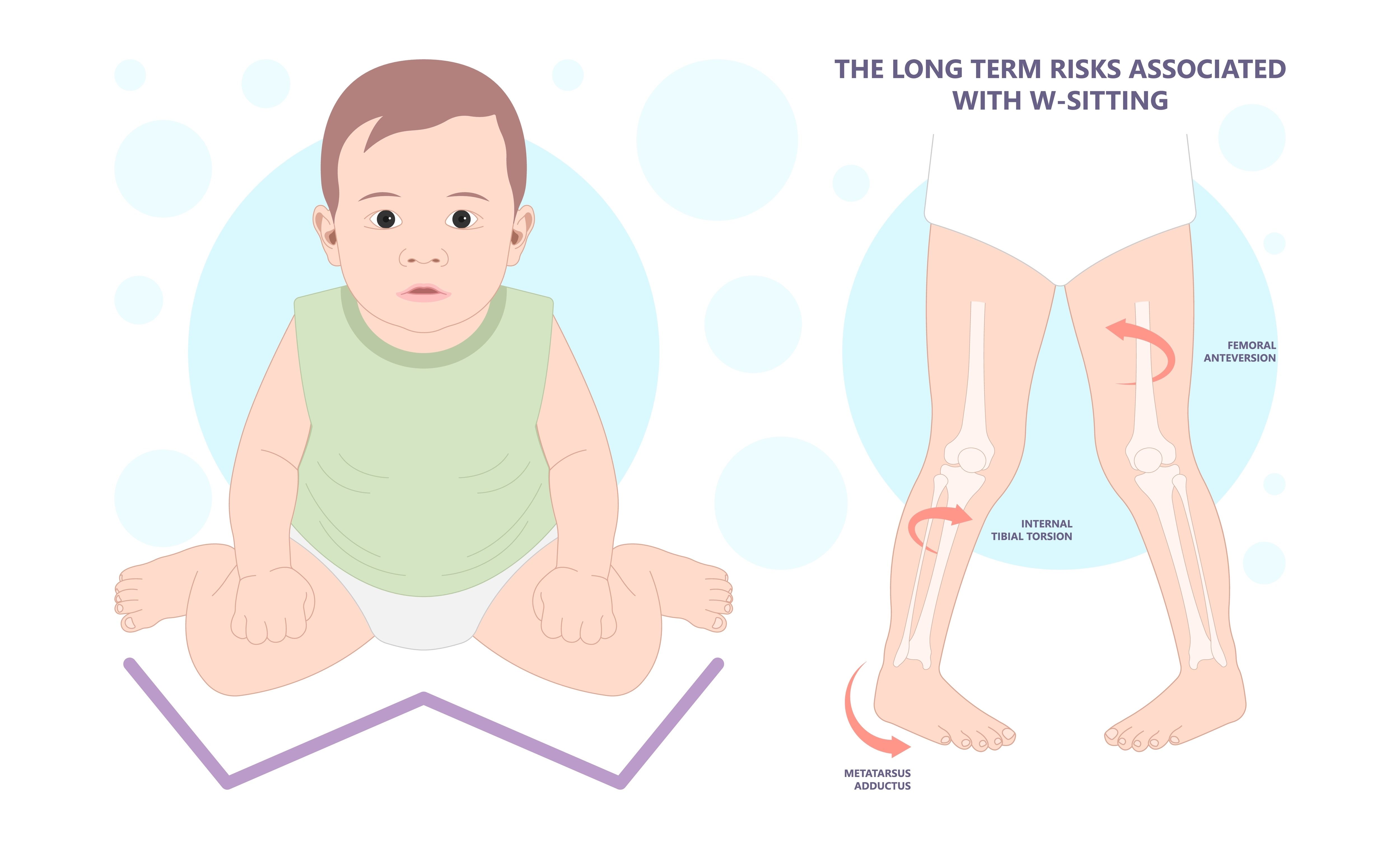
That said, you’ve probably read cautionary notes about W-sitting. The concern arises when a child assumes this position too frequently — it can contribute to or signal delays in gross and fine motor skills, and sometimes it’s a hint of an underlying developmental issue that warrants attention.
Related: What you need to know about developmental delay
Is W-sitting a problem?
On its own, W-sitting usually isn’t something to panic over.
The International Hip Dysplasia Institute notes this pose is often seen around age 3 and tends to fade as children mature. If your child only occasionally sits this way, it’s likely just a comfortable way for them to play or relax.
However, many physical and occupational therapists express concerns when a child habitually W-sits. If you notice your child regularly favoring this posture, consider these potential issues.
Trunk and leg weakness
W-sitting can be a go-to posture when a child’s legs or trunk lack the strength to stabilize them during play. With the legs positioned in a W, the lower limbs absorb more of the muscular work and create a lower center of gravity and wider base for support. This reduces the need for trunk movement and helps maintain balance.
Watch for other signs of low muscle tone, such as frequent falls or clumsiness, delays in gross motor milestones, and generally poor posture.
Hip dysplasia
If your child has a congenital or developmental hip condition, like hip dysplasia, W-sitting is a posture to discourage.
Sitting this way increases the risk of hip dislocation because it internally rotates the hips to an extent that could push problematic joints out of position.
Watch for hip pain, even if no formal diagnosis exists. Some hip conditions are hard to identify until children are older and start reporting discomfort.
Developing orthopedic issues
Frequent W-sitting may tighten muscles in the legs and hips, which can limit normal movement and impact coordination and balance development. Muscles that can become tight include the hamstrings, hip adductors, and the Achilles tendon.
Watch for changes in gait, such as walking pigeon-toed or with the feet turned inward, which can result from tight muscles.
Bilateral coordination issues
W-sitting may indicate a child is avoiding coordinated or independent movement between the body’s right and left sides. This posture restricts trunk rotation and discourages reaching across the midline.
As a result, a child might reach to the right only with the right hand and to the left only with the left hand, rather than crossing midline.
Watch for delayed hand dominance or fine motor skill challenges (like cutting with scissors or tying laces), gross motor delays (running, skipping, jumping), and other coordination issues between the two sides of the body.
Other issues
W-sitting can be concerning if your child has increased muscle tone or a neurological diagnosis such as cerebral palsy. In such cases, W-sitting can further increase muscle tightness and over time make alternative sitting positions difficult.
If a child persists in W-sitting, it may hinder overall development — for example, making it difficult to separate the legs or rotate the hips outward.
Watch for difficulty shifting into other sitting positions, particularly if your child has known neurological conditions or tone-related delays.
Related: What is cerebral palsy?
What should you do about W-sitting?
If you only catch your child in the W-position occasionally, you may not need to intervene. Observe whether they can move out of this posture easily and whether they vary positions during play.
Encourage a range of sitting postures, such as those recommended by British Columbia’s Quesnel & District Child Development Centre:
- criss-cross sitting (alternate which leg is on top)
- tailor-sitting (both legs bent with feet together)
- side-sitting (knees bent with both feet to one side)
- long-sitting (legs extended straight out)
- kneeling
- squatting
Other suggestions from Orlando’s Arnold Palmer Hospital for Children:
- Instead of saying “Fix your legs!” try encouraging, “Move into criss-cross so you can build stronger muscles.” Keep directions upbeat. For younger kids, a gentle tickle or hug can prompt them to shift positions.
- Offer varied seating options like beanbag chairs or small step stools. New seating can encourage movement and distribute strain away from the legs.
- Promote activities that foster movement and development — yoga, games like Twister, and playground challenges such as balance beams and climbing structures are useful.
Also consider reminding children occasionally about alternative positions; adding playful prompts can be more effective than repeated correction. If you want more information on posture variety, see resources about sitting on knees and other options.
Should I call my doctor?
Reach out to your child’s pediatrician if you notice frequent W-sitting accompanied by other signs, such as low muscle tone, restricted mobility, poor balance, fine motor delays, pain, or a diagnosis of hip dysplasia.
Habitual W-sitting can influence development, raise injury risk, or sometimes signal underlying issues that need evaluation.
Related: How to help your child develop fine motor skills
Takeaway
Although it may look awkward, W-sitting is often part of normal development. If your child moves easily out of this position and uses other sitting postures during play, there’s usually little cause for alarm.
If your child consistently prefers W-sitting, encourage other positions that support balanced development. And if you notice additional symptoms alongside W-sitting, consult your pediatrician for guidance.















Leave a Reply
You must be logged in to post a comment.