
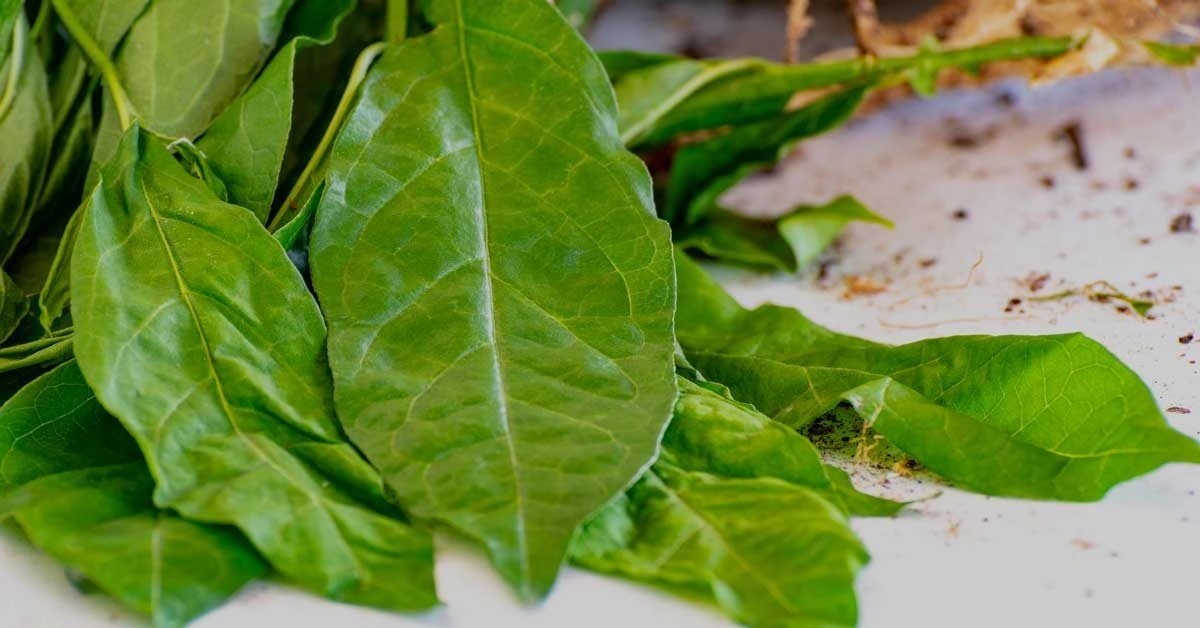
Anamu, a traditional medicinal plant, may help lower inflammation, support memory, and ease anxiety. However, human research on dosing and effects is limited.
Anamu, botanically named Petiveria alliacea, is a well-known herbal remedy.
It has long been employed in traditional medicine to strengthen the immune system, combat inflammation and pain, and address several chronic ailments, including some types of cancer (1).
This article summarizes the uses, advantages, and possible hazards of anamu.
What is anamu?
Anamu is a perennial herbaceous shrub formally identified as Petiveria alliacea. It’s also known by other common names, such as tipi, mucura, apacin, guine, and guinea hen weed.
Although native to the Amazon rainforest and favoring tropical environments, it grows in many regions, including Central America, the Caribbean, and the southern United States (1).

The leaves — and particularly the roots — emit a pronounced garlic-like scent, attributable to the plant’s chemical makeup, notably sulfur-containing compounds (2).
Traditionally, its leaves and roots have been applied in folk remedies for various aims, including immune support, cancer treatment strategies, and relief from inflammation and pain (1).
Its possible therapeutic effects are thought to come from an array of phytochemicals, such as flavonoids, triterpenes, lipids, coumarin, and sulfur compounds (1).
While research is evolving, laboratory and animal investigations have associated anamu with several potential benefits, including decreased inflammation, enhanced brain function, and anticancer activity (1, 3, 4).
Anamu is available in health shops and online retailers in various preparations, including capsules, powders, tinctures, and dried leaves.
Summary: Anamu is a herbaceous shrub traditionally used in folk medicine. Laboratory and animal studies have linked it to potential effects such as lowering inflammation, supporting immunity, and anticancer activity.
Potential benefits of anamu
Research has linked anamu to multiple possible health advantages.
May have antioxidant activity
Anamu contains numerous plant-derived compounds with antioxidant effects.
These include flavonoids, triterpenes, coumarins, sulfur compounds, and additional constituents (1, 5).
Antioxidants are compounds that can neutralize harmful molecules called free radicals, which may damage cells when present in excess.
Damage from excessive free radicals is associated with increased risk of many chronic diseases, including cardiovascular disease, cancer, neurological disorders, and diabetes (6).
May reduce inflammation and relieve pain
In traditional practices, anamu has been used to ease inflammation and soothe pain.
More recent animal and in vitro studies show that anamu leaf extracts can lower inflammatory markers such as tumor necrosis factor alpha (TNF-α), prostaglandin E2 (PGE2), interleukin-1 beta (IL-1β), and interleukin-6 (IL-6) (3, 7).
Indeed, animal experiments have reported that anamu extracts substantially reduce pain responses (8, 9).
However, a small clinical trial of 14 people with osteoarthritis found that consuming an anamu-based tea did not outperform a placebo in pain relief (10).
Further human studies are necessary before recommending anamu for inflammation or pain control.
May improve cognitive performance
Animal studies indicate that anamu could support brain function.
One experiment administering anamu leaf extract to rats observed enhancements in learning tasks and both short- and long-term memory (4).
Another animal study reported that anamu extract improved long-term memory and reduced anxiety-like behaviors, although it did not enhance short-term memory (11).
Although these results are encouraging, clinical trials in humans are needed before suggesting anamu for cognitive enhancement.
May possess anticancer effects
Some data indicate that anamu may have anticancer potential.
In vitro studies have shown that anamu extracts can inhibit the growth of cancer cells and trigger cell death in lung, colon, prostate, breast, and pancreatic cancer cell lines, among others (1, 12, 13, 14).
These anticancer activities may be related to various constituents in anamu, including flavonoids, coumarins, fatty acids, and sulfur compounds (14).
Nonetheless, clinical studies in humans are required to confirm these laboratory findings.
Other possible benefits
Anamu may provide additional advantages, such as:
- Antimicrobial activity. Due to its sulfur compounds, test-tube studies suggest anamu may have antibacterial and antifungal effects (15, 16).
- Immune support. In vitro research indicates several anamu constituents may stimulate immune responses, though evidence is limited (17).
- Anxiety reduction. Some animal studies have observed anxiolytic-like effects from anamu extracts, whereas other animal research shows inconsistent results (11, 18, 19).
Summary: Anamu has been associated with several possible health benefits, including enhanced cognitive function and immunity, along with reduced inflammation, pain, and anxiety. It may also have antioxidant, anticancer, and antimicrobial properties.
Anamu dosage and safety
Anamu is sold in health-food outlets and via online vendors.
It’s offered in multiple formats, such as capsules, powders, tinctures, and dried leaves.
Because human data are scarce, firm dosing guidelines are not available. Many supplement labels suggest daily intakes between 400–1,250 mg, but it’s unclear whether these amounts are safe or effective.
Additionally, there is limited human evidence about its safety profile and adverse effects.
Animal experiments indicate that short-term use at typical doses has low toxicity. However, prolonged administration at high doses has been linked to side effects such as drowsiness, agitation, confusion, tremors, impaired coordination, seizures, and more (2).
Anamu is not advised for children or for pregnant or breastfeeding women, since safety data are lacking for these groups.
Keep in mind that dietary supplements like anamu are not subject to rigorous safety testing and are largely unregulated, so actual contents may differ from label claims.
There is also insufficient information about interactions with medications. Anamu contains small amounts of coumarin, a natural anticoagulant, so it could interact with blood thinners and certain heart medications.
As with any supplement, consult your healthcare professional before using anamu.
Summary: Due to the paucity of human research on anamu, there is insufficient information to establish dosing recommendations or guarantee safety in people.
The bottom line
Anamu is a traditional herbal remedy associated with various possible health benefits.
Laboratory and animal research links it to improved cognitive function and immune response, lower inflammation, pain, and anxiety, as well as antioxidant, anticancer, and antimicrobial activities.
However, human studies on its benefits and risks are limited, making it difficult to advise on dosing or ensure safety.























Leave a Reply
You must be logged in to post a comment.