

A lumbosacral spine X-ray is a diagnostic imaging procedure that allows your doctor to examine the bones in your lower back. By using small amounts of electromagnetic radiation, this test enables healthcare professionals to assess fractures, joint abnormalities, and various spinal conditions. In many cases, evaluating a Normal spine curve x ray helps determine whether the natural alignment of the lower spine is preserved or if structural changes are present.
This imaging study is also commonly referred to as a lumbar spine X-ray. It captures detailed images of the lumbar spine, the lowest portion of the spinal column located beneath the cervical (upper) and thoracic (mid-back) regions. Reviewing a Normal spine curve x ray can provide valuable insight into how well the lumbar vertebrae maintain their expected curvature and structural integrity.

In addition, the test may include images of the sacrum, the sturdy, shield-shaped bone positioned at the back of the pelvis just below the lumbar spine. Beneath the sacrum lies the coccyx, or tailbone. Because these structures are closely connected, examining them together offers a more complete view of spinal alignment, including the 4 curves of the spine that support posture and balance.
Your doctor might recommend a lumbar spine X-ray for several reasons. It is often used to evaluate injuries sustained from falls, sports trauma, or motor vehicle accidents. It can also help monitor the progression of conditions such as osteoporosis or determine whether a specific treatment plan is producing the intended results.
Why do doctors order lumbosacral spine X-rays?
X-rays serve as an important diagnostic tool for a wide range of spinal concerns. They can help your physician identify the underlying cause of chronic lower back pain or assess the impact of trauma, degenerative disease, or infection. Reviewing a Normal spine curve x ray can also clarify whether the natural spinal alignment has shifted due to structural or inflammatory changes.
Your doctor may request a lumbar spine X-ray to assess:
- congenital (present at birth) conditions that affect the spine
- injury or fractures in the lower spine
- severe or persistent lower back pain
- osteoarthritis (arthritis affecting the joints)
- advanced osteoporosis (bone weakening)
- bone spurs (unusual bone growths)
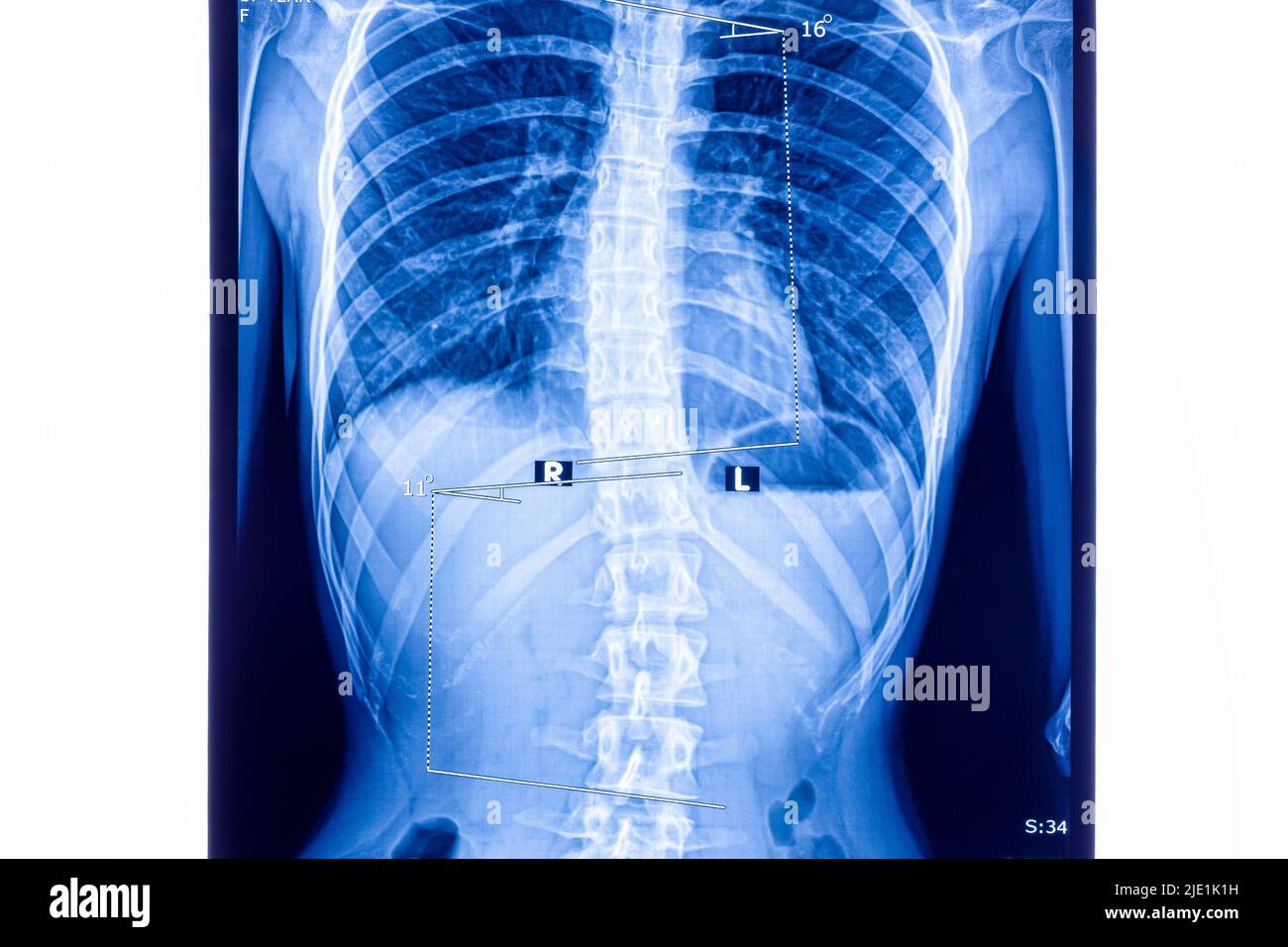
- scoliosis (unusual spine curvature)
- loss of height in the spinal discs
- compression in the vertebrae
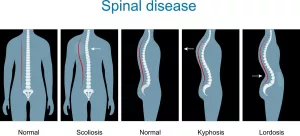
When evaluating spinal alignment issues such as scoliosis or vertebral compression, physicians often consider the relationship between the Primary and secondary curves of the spine. Understanding these natural curves helps determine whether what appears on imaging represents a normal anatomical variation or a developing abnormality.
Your doctor might also use additional imaging studies alongside an X-ray to better understand the source of symptoms like back pain. These may include:
- MRI scans
- bone scans
- ultrasounds
- CT scans
Each imaging method produces a distinct type of image. For example, MRI scans provide detailed views of soft tissues such as discs and nerves, while CT scans offer cross-sectional images that can reveal subtle fractures. Combining results from multiple tests can improve diagnostic accuracy.
How do you prepare for a lumbosacral spine X-ray?
X-rays are generally straightforward procedures that require minimal preparation.
Before the imaging begins, you’ll typically be asked to remove jewelry and any metallic objects, as these can interfere with image clarity. Be sure to inform your doctor if you have metal implants from previous surgeries, such as rods, screws, or joint replacements.
In most cases, you will change into a hospital gown. This step prevents clothing items like buttons, snaps, or zippers from affecting the quality of the X-ray images and ensures that the resulting Normal spine curve x ray assessment is as accurate as possible.
How is a lumbosacral spine X-ray performed?
X-rays are conducted in a hospital radiology department or a clinic equipped for diagnostic imaging. Many lumbosacral spine X-rays are performed while the patient is standing. This position helps physicians evaluate how body weight and gravity influence spinal alignment and whether the curvature seen on a Normal spine curve x ray changes under load-bearing conditions.
In certain situations, you may begin the procedure lying flat on an examination table, facing upward. A radiologic technologist will position a large camera attached to a movable steel arm over your lower back. As the camera shifts into place, a detector or film within the table captures images of your spine.
The technologist may ask you to assume different positions during the exam — such as lying on your back, side, or stomach, or even sitting — depending on the specific views your doctor has requested. These varied angles provide a comprehensive look at the lumbar spine, sacrum, and coccyx.
While each image is taken, you will need to remain still and briefly hold your breath. Staying motionless ensures that the images are sharp and clear, which is essential when assessing fine details such as disc height, vertebral alignment, and the preservation of a normal spinal curve.
Lumbar spine X-rays are usually completed quickly, sometimes in as little as 15 minutes. The total duration may vary depending on the number of images required and whether any additional views are necessary to obtain clear results.
After a lumbosacral spine X-ray
Once the imaging is finished, you can change back into your usual clothing. Most individuals are able to return to their normal daily activities immediately.
A radiologist will analyze the X-ray images and send a report to your doctor. Together, they will review the findings and explain what they mean. In some cases, results may be available the same day, though occasionally additional time is needed for a thorough evaluation.
Your doctor will decide on the next steps based on what the images reveal. This may include further imaging studies, blood tests, or other diagnostic procedures to confirm a diagnosis and guide treatment.
Are there risks involved with this imaging test?
All X-rays involve exposure to a small amount of radiation. The National Cancer Institute explains that the cancer risk associated with X-rays and other radiation-based procedures is very low, and in most cases, the medical benefits outweigh the potential risks.
That said, certain individuals may face a higher risk from radiation exposure. For instance, because a lumbosacral spine X-ray includes the abdomen and pelvis, someone who is pregnant may be advised to undergo an alternative imaging test that does not use radiation in order to protect the unborn baby.
Children are generally more sensitive to radiation than adults. For pediatric patients, healthcare providers may adjust the X-ray machine settings to minimize exposure or suggest a different imaging approach when appropriate.
Takeaway
Lumbosacral spine X-rays are valuable tools that help healthcare professionals diagnose and monitor a variety of conditions, including fractures, osteoporosis, degenerative changes, and abnormalities in spinal curvature. Evaluating a Normal spine curve x ray plays an essential role in determining whether the lower spine maintains its proper alignment and structural balance.
These imaging studies are typically brief and require little preparation. If you are scheduled for a lumbar spine X-ray, speak with your doctor about how to get ready for the procedure and when you can expect to receive your results.




















Leave a Reply
You must be logged in to post a comment.