

You might notice pain in your neck and jaw occurring together for a variety of reasons. Because these structures are interconnected, a problem in one area frequently affects the other.
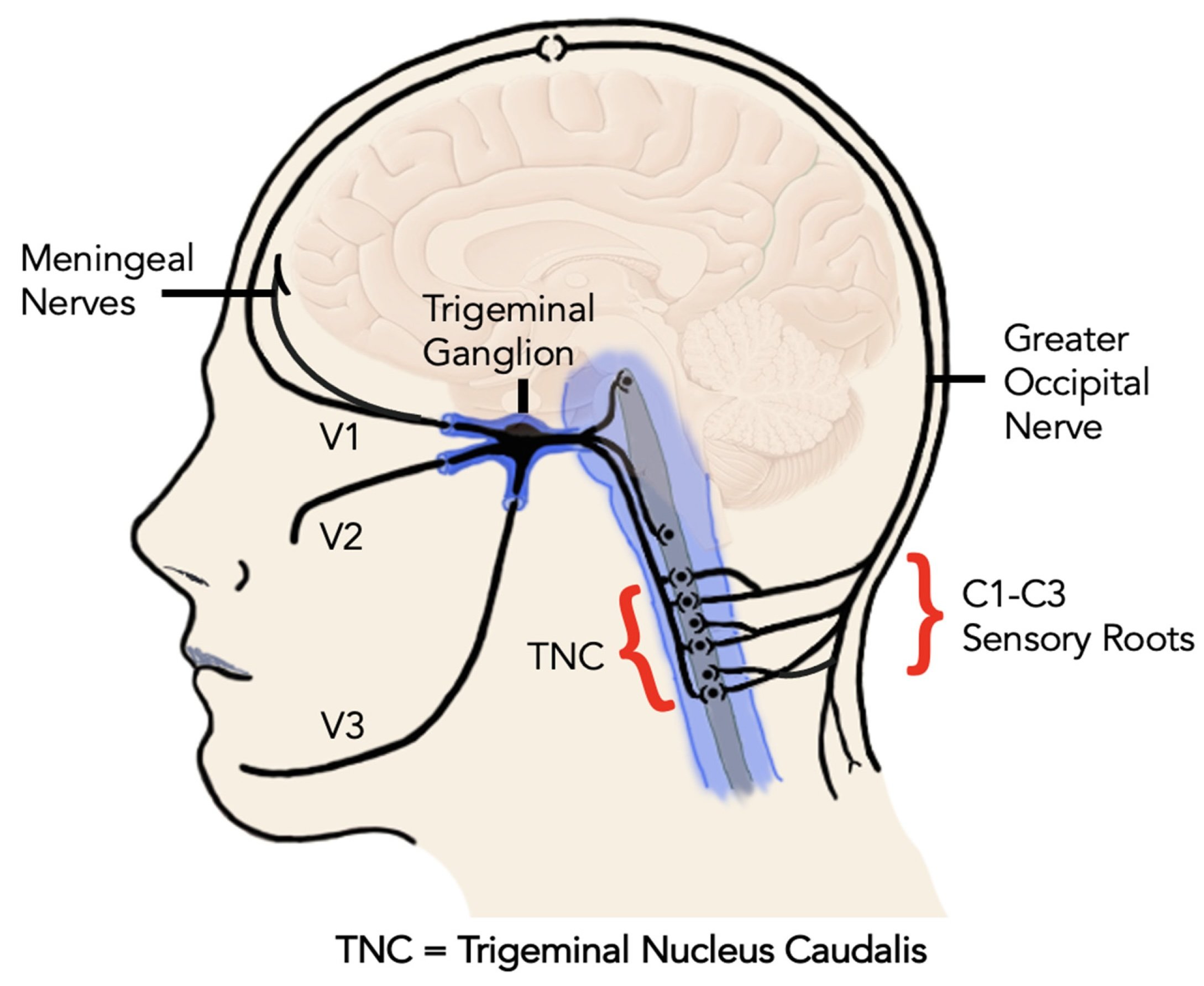
Given that the jaw and neck are linked by joints, nerves, and muscles, it’s not surprising that discomfort can present in both regions simultaneously. The intensity of neck and jaw pain can vary from mild irritation to severe pain that makes eating, speaking, or sleeping difficult.
There are multiple possible explanations for simultaneous neck and jaw pain.
It may stem from temporomandibular disorders (TMD), which involve the joints connecting the lower jaw to the skull. Teeth grinding, heightened stress, and, in rare instances, life-threatening events such as a heart attack can also contribute to neck and jaw pain.
Keep reading to understand the causes of concurrent neck and jaw pain and learn ways to ease the symptoms.
What can cause neck and jaw pain at the same time?
Neck and jaw pain can occur together for many reasons. Below are the most common culprits.
Temporomandibular disorders (TMD)
“Temporomandibular disorders” is a broad term that covers more than 30 conditions affecting the jaw. You may have heard the abbreviation TMJ used casually, but TMJ technically refers to the joint itself.
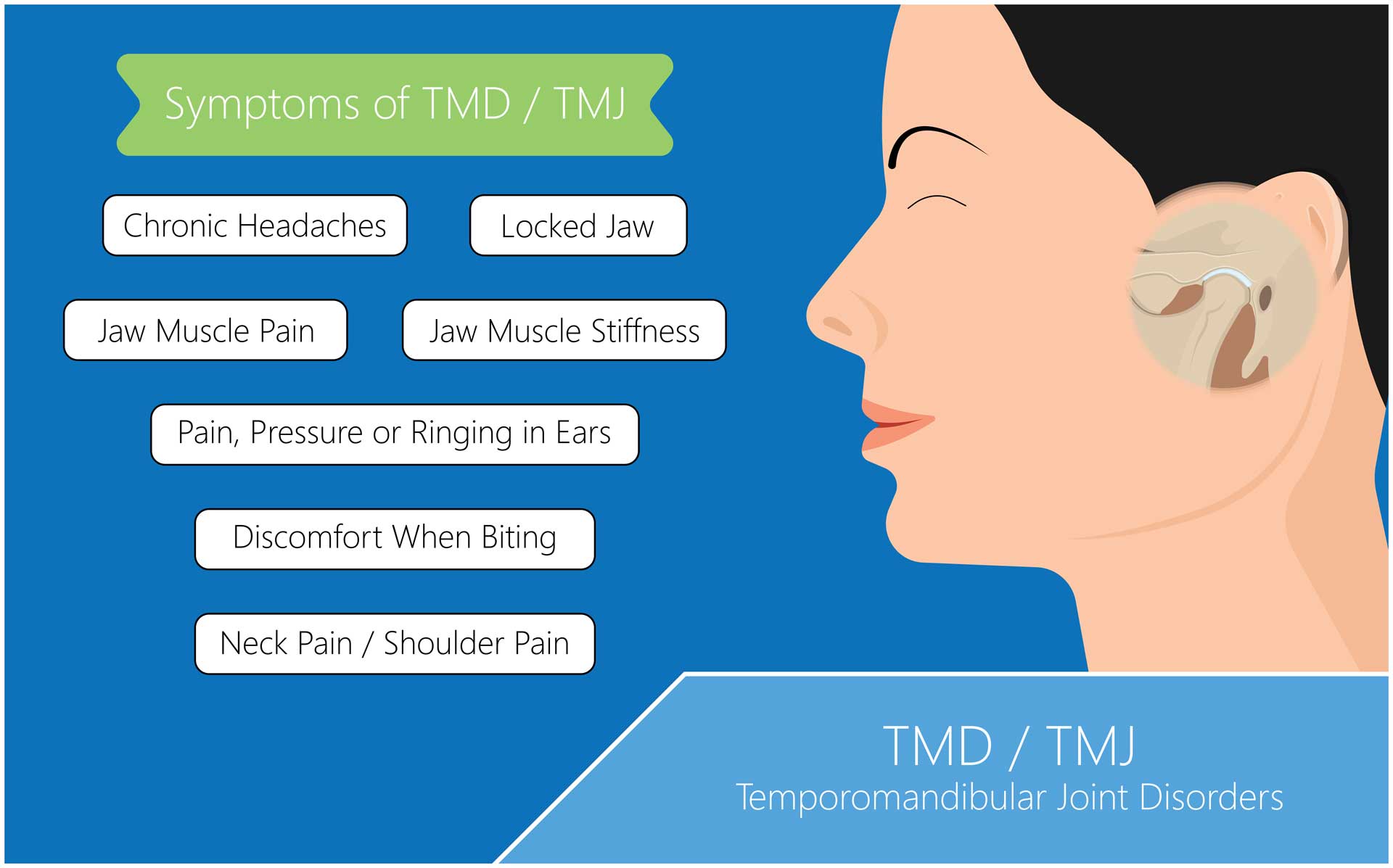
If you have a disorder affecting the TMJ, you might experience:
- stiffness in the jaw
- locking or a popping sensation
- ringing or buzzing in the ears
Although pinpointing the exact reason for TMJ pain can be difficult, known causes of TMD include:
- trauma to the jaw joint
- habitual clenching or grinding of teeth
- a displaced disc that facilitates jaw movement
- arthritis affecting the joint
- overuse of the jaw muscles
Stress and anxiety
Stress frequently produces physical symptoms, from sleep disturbances and digestive upset to jaw discomfort.
A 2023 study found that stress, depression, and neck-related disability often coexist with temporomandibular disorders. Anxiety and stress can lead to jaw clenching that you may not even notice in the moment. Over time, this repetitive overuse strains the jaw muscles and can cause pain that radiates into the neck.
While the precise links are still under investigation, researchers have recognized anxiety as a risk factor for developing TMD.
Arthritis
Osteoarthritis (OA) involves degeneration of bone and cartilage. One indication of OA involving the temporomandibular joint is the development of bone spurs in the neck, jaw, or both — leading to localized pain and tenderness. Bone spurs are areas where extra bone has formed.
Furthermore, jaw pain that starts in the joint may be arthritis-related. Spinal arthritis often affects the neck (commonly called neck arthritis), so it’s possible to have arthritis in both the jaw and neck, producing pain in both locations.
Sinus infections
If you’ve had a sinus infection, you know facial pain is common. Sinus pressure can also produce discomfort that’s felt in the jaw and neck.
In fact, a study found that people reporting sinus headaches frequently also reported neck pain. If your jaw and neck pain worsen when you’re congested, sinus pressure may be a contributing factor.
Swollen lymph nodes
The head and neck region contains more than 300 lymph nodes — over half of those in the entire body. When lymph nodes in the jaw and neck swell, they can make chewing or turning your head painful. Usually, swollen nodes are palpable and can range in size from a tiny pea to something closer to the size of a quarter.
Certain behaviors
Frequent nail biting, chewing on pens, or excessive gum chewing can strain the jaw and neck. This type of paired pain often resolves by itself after stopping the behavior.
Trauma
An injury that dislocates or damages the jaw (such as when the lower jaw slips out of the temporomandibular joints) will typically produce intense pain in both the jaw and the neck.
Fractured or dislocated jaws commonly result from facial trauma and are medical emergencies requiring immediate care.
Heart attack
While left shoulder pain is a well-known symptom of a heart attack, neck and jaw pain can also occur, especially in women.
Medical emergencyAlthough it’s uncommon for neck and jaw pain alone to signal a heart attack, seek emergency medical attention immediately if your neck and jaw discomfort is accompanied by any of these symptoms:chest pain shortness of breath sweating nausea lightheadedness
Why might neck and jaw pain occur on only one side?
Pain limited to one side of the neck and jaw can be caused by many of the same issues that produce bilateral symptoms, including:
- TMDs
- stress or anxiety
- habits that place extra strain on one side of the jaw
- localized injury

What causes neck, shoulder, and jaw pain together?
When shoulder pain accompanies neck and jaw discomfort, possible causes include:
- TMDs
- trauma to the neck, shoulder, or jaw from sports collisions or car accidents
- stress-related muscle tension
- sustained holding of tension in the body
- heart attack, which requires emergency evaluation
What might cause jaw pain, neck pain, and swollen lymph nodes together?
When jaw and neck pain occur alongside swollen lymph nodes, consider possibilities such as:
- immune system disorders
- TMDs
- bacterial or viral infections
Common questions about neck and jaw pain
Below are answers to some frequently asked questions about neck and jaw pain and their causes.
Can neck and jaw pain indicate a heart attack?
Neck and jaw pain can be symptoms of a heart attack. Cardiac events often cause pain that extends beyond the chest to the shoulders, arms, back, neck, and jaw.
That said, if your neck and jaw ache without other signs such as chest pressure or difficulty breathing, a heart problem is a less likely explanation.
Can neck and jaw pain be related to COVID-19?
COVID-19 can produce muscle and joint aches, so it’s possible to feel soreness or discomfort in the neck and jaw. Though less common, COVID-19 can cause swollen lymph nodes, which may contribute to neck and jaw pain.
Additionally, stress-related jaw clenching during illness might worsen symptoms.
Can TMJ disorders develop suddenly?
TMDs may emerge gradually or appear suddenly. Sudden onset is more often linked to physical trauma, whereas jaw strain from chronic clenching, gum chewing, or stress typically develops more slowly.
When to see a doctor
TMDs are common and affect as many as 10 million Americans. Many cases improve without medical treatment, but if your neck and jaw pain persists or worsens, a healthcare professional can determine the cause.
If your neck and jaw pain occurs with dizziness, nausea, or chest pain, seek emergency medical care right away.
How doctors diagnose the cause
A clinician will start with a physical examination and a detailed history of your symptoms. In many instances this is sufficient to identify the source of neck and jaw pain. If needed, they may order imaging such as X-rays to evaluate a possible jaw fracture or an MRI if TMD is suspected.
Treatments for neck and jaw pain
Treatment depends on the underlying diagnosis.
Home approaches
Many symptoms related to TMD respond well to lifestyle adjustments and simple home care, including:
- choosing soft foods
- applying ice packs to the neck and jaw to lessen inflammation
- limiting extensive jaw movements, like prolonged talking or singing
- avoiding gum, sticky candies, and tough foods such as jerky
- managing stress with meditation, yoga, or deep breathing techniques
- doing jaw-mobilizing stretches to improve motion
- using massage to relieve TMD-related tension
Medications
Over-the-counter pain relievers such as ibuprofen or acetaminophen can ease pain and reduce inflammation. If a sinus infection is the cause, OTC decongestants or pain relievers may help relieve pressure.
When pain is severe and not responsive to OTC options, prescription medications may be necessary.
Medical interventions
Possible medical treatments include:
- Mouthguard: A dental guard worn over the teeth can prevent unconscious nighttime grinding or clenching. These are available over the counter at many pharmacies.
- Muscle relaxants: These medications can provide temporary relief from neck and jaw muscle tension, though they are not effective for every person with TMD.
- OnabotulinumtoxinA (Botox) injections: Administered by a clinician, Botox can relax jaw muscles and reduce clenching, which may relieve jaw and neck pain related to TMD. Results are temporary and repeat injections are usually needed every few months.
- Jaw surgery: In severe cases, surgery may be recommended to correct structural problems within the jaw joint or to repair a broken or dislocated jaw. This option is generally reserved for people with major pain due to anatomical issues or significant facial irregularities that contribute to TMD.
Takeaway
A range of conditions can lead to simultaneous jaw and neck pain. If the pain is severe or does not improve within a few days, consult a healthcare provider to identify the cause and develop an appropriate treatment plan.





















Leave a Reply
You must be logged in to post a comment.