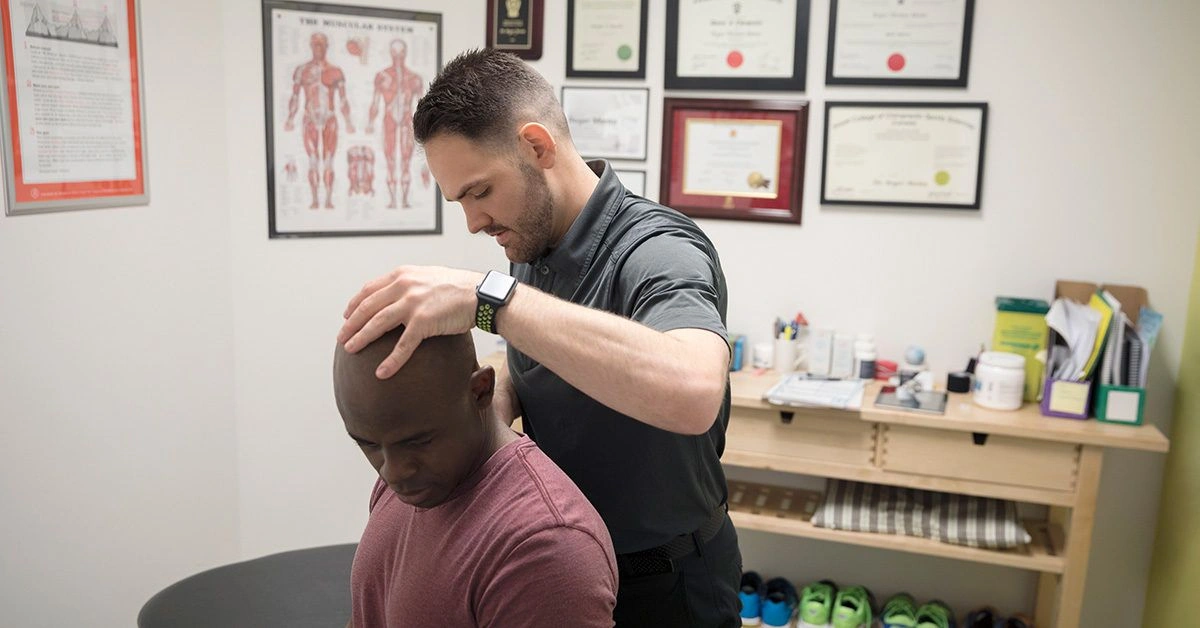
Neck Pain
Neck Pain provides tips and treatments for relieving discomfort caused by muscle strain, poor posture, or injury, helping individuals manage and prevent neck-related issues.

How to Identify and Treat a Hyperextended Elbow
Elbow hyperextension happens when the elbow is forced to extend past its normal limit. Many mild cases can be managed at home with cold therapy and a supportive brace, though more severe injuries sometimes need surgical repair. This injury occurs when the elbow joint moves beyond its typical range, potentially harming the ligaments and bones around the joint. In some instances, the elbow may even dislocate. While anyone can hyperextend…

SCM Pain and What You Can Do
Sternocleidomastoid (SCM) muscle discomfort in the neck most often stems from muscle tightness or repetitive movements. It may also arise alongside certain medical issues, such as asthma or pneumonia. (img by source) What is the SCM muscle? The sternocleidomastoid (SCM) is a paired muscle located at the base of the skull on each side of the neck, just behind the ears. Each SCM runs down the front portion of the…
W-Sitting: Is It Really a Problem?
As a parent, you pick up a lot during those early years alongside your youngster. Beyond the fundamentals — ABCs, counting, shapes, and colors — you likely memorize countless nursery rhymes and short verses. And then there’s the practice of sitting criss-cross applesauce at story time. Have you observed your child sitting with their legs forming a W shape? If not yet, you might soon — this is a common…
Neck Cracking: Is It Safe or Should I Stop?
Occasional, gentle neck cracking usually isn’t harmful. However, performing it improperly, excessively, or with too much force can actually increase pain or lead to discomfort. People commonly crack various joints — knuckles, fingers, toes, backs, and the neck. Motivations differ: some seek pressure relief in their shoulders or neck, others do it as a stress response, and many simply have a habitual tendency. So, does cracking your neck offer any…
Concussion: Symptoms, Causes, Diagnosis, & Treatment
You may notice a range of symptoms after a concussion. In many cases, they improve with adequate rest and time. However, recovery might require stepping away from sports, school, or work responsibilities to allow the brain to heal properly. A concussion is a mild traumatic brain injury (TBI) that happens after a blow or jolt to the head. It can also develop during a rapid acceleration-deceleration event, such as a…
Whiplash: Your Guide to Home Treatment
Home management of whiplash discomfort typically includes cold and heat therapy, over-the-counter (OTC) pain relievers, and targeted exercises designed to restore normal neck movement and flexibility. Whiplash is a neck injury most frequently linked to rear-end car accidents and certain sports-related incidents. Sudden, forceful back-and-forth motion of the head and neck places strain on muscles, ligaments, and surrounding soft tissues, leading to pain and stiffness. When Untreated whiplash symptoms are…
Does COVID-19 Cause Neck Pain?
Muscle and joint soreness are commonly reported complaints among people with COVID-19. Back discomfort is cited most often, but many individuals also notice pain in other regions, such as the neck, shoulders, and elsewhere. (img by Kaly) COVID-19 is an infectious illness caused by the severe acute respiratory syndrome coronavirus 2 (SARS-CoV-2). Typical symptoms include fever, cough, and tiredness. Another commonly reported feature is muscle and joint pain, which may…
Hyperextension of Neck
Neck hyperextension Neck hyperextension is an injury that occurs when the head and neck are forcefully propelled forward and then snapped backward. Often called whiplash, the abrupt motion mimics the crack of a whip. (img by Alamy) What causes hyperextension of the neck? Whiplash most frequently happens after being struck from behind in a motor vehicle collision, but any force that drives the neck into rapid flexion followed by hyperextension…
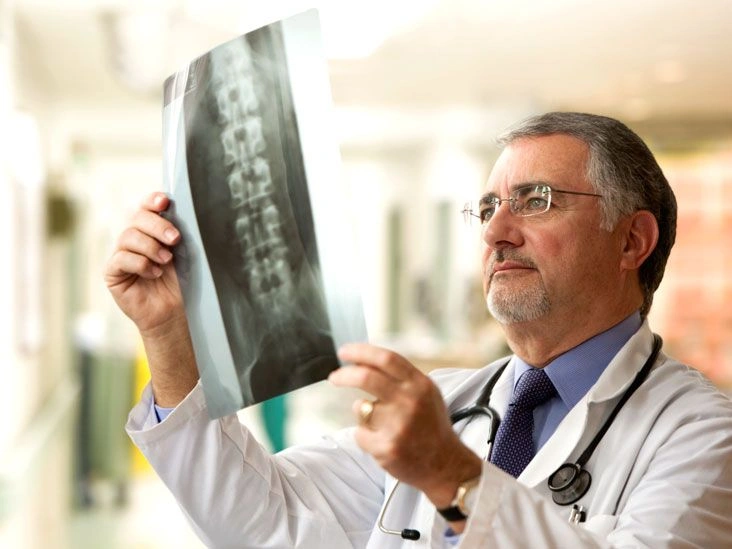
A Guide to Lumbosacral Spine X-Rays
A lumbosacral spine X-ray is a diagnostic imaging procedure that allows your doctor to examine the bones in your lower back. By using small amounts of electromagnetic radiation, this test enables healthcare professionals to assess fractures, joint abnormalities, and various spinal conditions. In many cases, evaluating a Normal spine curve x ray helps determine whether the natural alignment of the lower spine is preserved or if structural changes are present.…
Overview of Functional Scoliosis
Functional scoliosis, sometimes referred to as nonstructural scoliosis, describes an abnormal sideways curvature of the spine that does not meet the traditional criteria required for a formal scoliosis diagnosis. To better understand this condition, it helps to review the Primary and secondary curves of the spine. The spine naturally forms front-to-back curves that support balance, flexibility, and shock absorption. However, when a lateral (side-to-side) curve develops, it can disrupt normal…