

Elbow hyperextension happens when the elbow is forced to extend past its normal limit. Many mild cases can be managed at home with cold therapy and a supportive brace, though more severe injuries sometimes need surgical repair.
This injury occurs when the elbow joint moves beyond its typical range, potentially harming the ligaments and bones around the joint. In some instances, the elbow may even dislocate.
While anyone can hyperextend an elbow, it is more prevalent in athletes involved in contact sports such as football, judo, or boxing. Gymnasts, tennis players, and those who lift heavy weights are also at elevated risk.

What are the symptoms of elbow hyperextension?
You may hear a “pop” and feel immediate pain at the moment of hyperextension. Other common signs include:
- dull to sharp pain when moving the elbow
- tenderness to touch around the elbow
- swelling surrounding the injured area
- stiffness in the elbow and arm
- reduced strength in the elbow and arm
- biceps muscle spasms when attempting to straighten the arm
The skin over the injury may appear red or blotchy. With severe damage, you might notice visible deformity of the elbow or impaired circulation in the hand.
What causes elbow hyperextension?
Each elbow comprises three articulations: the humeroulnar joint, the humeroradial joint, and the superior radioulnar joint. The humeroulnar joint enables bending and straightening of the arm by linking the upper arm bone (humerus) with the forearm bone (ulna).
Hyperextension occurs when the humeroulnar joint bends backward past its usual movement range. This commonly happens during contact sports or intense physical activities like gymnastics and weightlifting. Falling onto an outstretched hand can also force the elbow into hyperextension as body weight and impact drive the joint the wrong way.
How is elbow hyperextension diagnosed?
If you suspect an elbow hyperextension, see your physician. Diagnosis begins with a medical history and a careful physical exam of the arm. Your doctor may order an X-ray to exclude fractures or request an MRI or CT scan to evaluate soft tissue injury. MRI and CT images help pinpoint the site and severity of damage to muscles, tendons, and other soft tissues.
Seek emergency care if the elbow looks deformed or if bone fragments are protruding through the skin.
How is elbow hyperextension treated?
Immediately after the injury, apply a cold compress to the elbow to decrease pain and swelling. To make a cold pack, wrap ice or a frozen pack in a towel. Over-the-counter anti-inflammatory medications like aspirin can also help relieve pain and swelling.
Treatment varies with the injury’s severity. Your doctor might recommend one or more of the following strategies.
Rest
Avoid flexing and extending the elbow during the first couple of days to allow healing. Also abstain from activities that can increase swelling, such as drinking alcohol or applying heat to the injured area.
Depending on how badly the elbow is injured, your provider may advise beginning gentle movement after a few days or prescribe a longer period of rest.
Ice therapy
Place ice or an icepack wrapped in a cloth on the injured elbow for 10 to 20 minutes at a time. Repeat this every few hours during the initial days after injury. Do not put ice directly on the skin.
Elastic bandage
An elastic bandage can reduce swelling and restrict motion to support healing. Wrap it snugly enough to provide compression without causing pain or numbness in the arm or hand.
Elbow brace
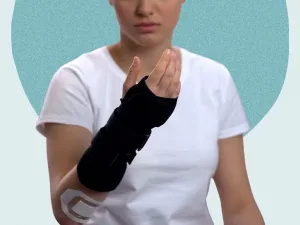
An elbow brace can help immobilize the joint and promote proper healing. Your physician will advise how long to wear it; in some situations, you may be instructed to keep a brace on during certain activities going forward.
Elevation
Raising the elbow above heart level can reduce swelling, especially during the first few days. Prop the arm on pillows while lying down or on cushions when seated. A sling may also assist with elevation.
Physical therapy
When you can move the elbow without sharp pain, your doctor may recommend gentle stretches and strengthening exercises to restore function. Possible exercises include:
With the injured arm extended parallel to the ground and the palm facing down, use the other hand to press gently on the wrist, resisting the downward motion. You should feel a mild stretch in the forearm and elbow. This can be done seated or standing.
Repeat the stretch with the palm facing up; use the opposite hand to press the palm down and back to feel a stretch in the elbow and forearm.
Bend the injured elbow so the upper arm rests at your side and the forearm extends forward, parallel to the floor with the palm down. With the opposite hand, press down on the top of the injured hand and resist the downward motion. Hold for five seconds, relax, and repeat 10 times. Do three sets daily, keeping the elbow at your side throughout.
Surgery
If the hyperextension has severely damaged ligaments, tendons, bones, or other elbow structures — for example, if the joint is fractured or extensively torn — surgical repair may be necessary. After surgery, the arm will be immobilized for several weeks, followed by physical therapy to regain strength and range of motion.
What is the outlook for elbow hyperextension?
See your doctor promptly if you have signs of elbow hyperextension. A clinician can evaluate the severity and recommend the appropriate treatment to promote proper healing.
Initially, expect a period of immobilization lasting at least several days. More severe cases or those requiring surgery will need longer immobilization. Most uncomplicated hyperextensions heal within about a month, though physical therapy may be needed to restore full strength and movement.
Repeated injury or improper healing can lead to chronic elbow instability, which over time may increase the risk of developing arthritis.
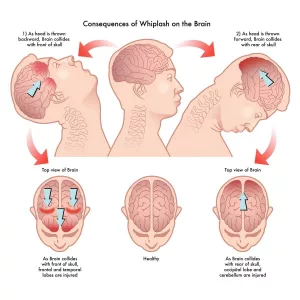
Talk to your doctor for details specific to your condition, treatment choices, and long-term expectations. If your injury involved backward bending of the neck during the incident, also consider learning more about hyperextension of neck as part of a comprehensive recovery plan.
How can you prevent elbow hyperextension?
The most effective prevention is using correct technique during contact sports and physically demanding activities. For instance, refining your form in gymnastics or adjusting how you strike in boxing can lower risk. A skilled coach or instructor can teach proper mechanics to help minimize the chance of injury.

















Leave a Reply
You must be logged in to post a comment.