

Black men noticing a retreating hairline generally have three routes: shave the head completely like Michael Jordan; accept the change and adapt your hairstyle to the remaining hair; or pursue hair restoration treatments. The leading cause of a receding hairline in Black men — as in most men — is male pattern baldness, clinically referred to as male androgenetic alopecia. It’s inherited and not something you can prevent.
There are ways to avoid a hairline that’s receding due to certain styling habits, but once the hairline begins to move back from the forehead, you might want to explore treatments that can help restore the hairline you prefer.
What is a receding hairline?
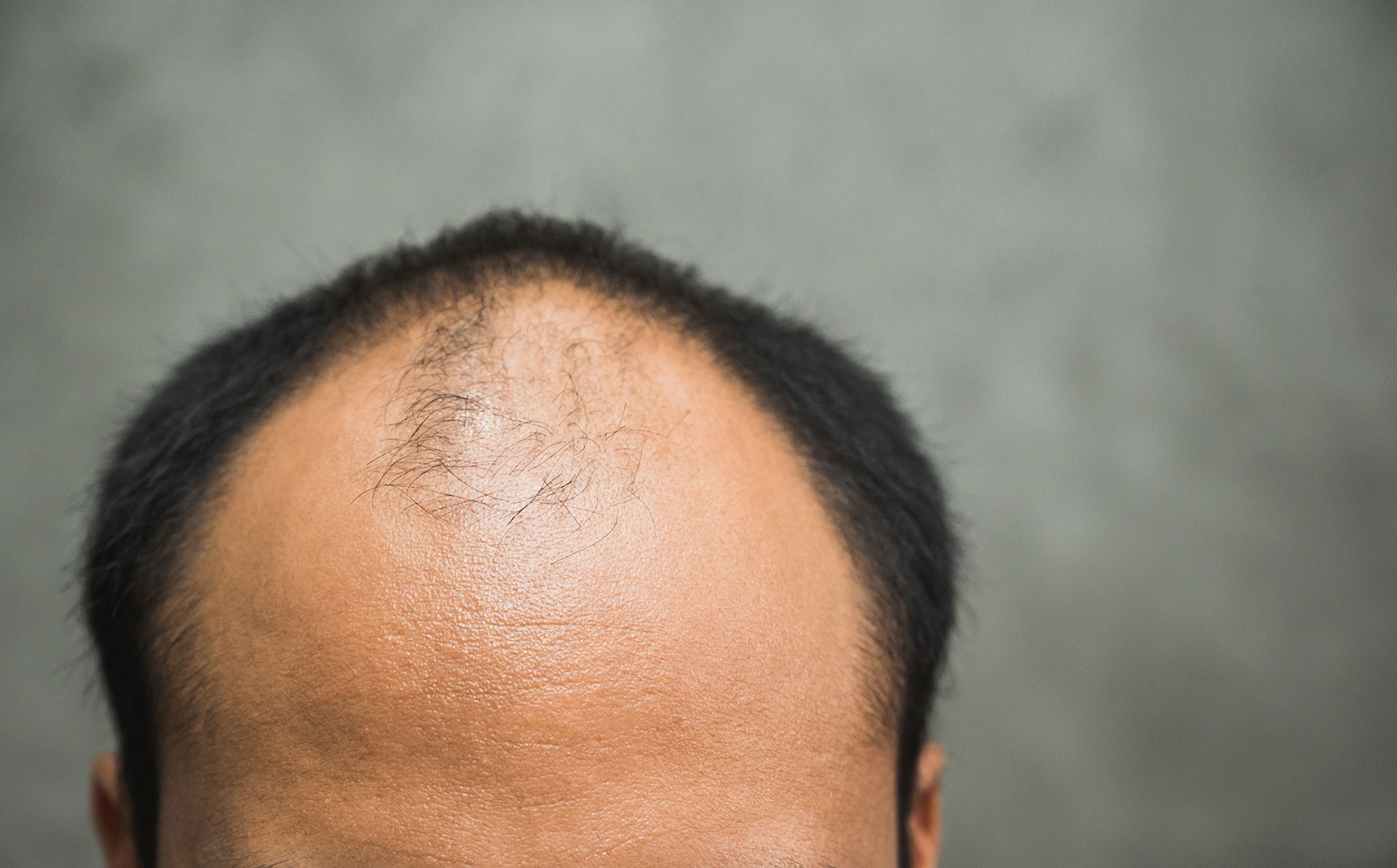
A receding hairline happens when hair stops growing at the forehead’s front. The change commonly begins at the temples and slowly progresses backward over the crown. For many men, this leads to a horseshoe-shaped ring of hair; others lose most or nearly all scalp hair. Some men experience a retreat to a certain point, after which further loss is minimal.
An estimated 30 to 50 percent of men show some level of male androgenetic alopecia by age 50. Research published in the Journals of Gerontology indicates that male pattern baldness tends to be somewhat less common among Black men than white men.
How is a receding hairline diagnosed?
A receding hairline can often be recognized by viewing the pattern of hair loss. Comparing your current hairline with earlier photos showing a fuller hairline is helpful.
If the pattern suggests male pattern baldness, additional testing typically isn’t necessary. However, if you’re experiencing patchy hair loss, a scalp rash, or other scalp changes, diagnostic tests such as a skin biopsy or blood work may be required to clarify the cause.
What causes a receding hairline?
Male androgenetic alopecia is the primary driver of a receding hairline for Black men. While researchers continue to investigate the precise mechanisms behind male pattern baldness, hormonal changes involving androgens appear to play a significant role. A genetic tendency can also increase your likelihood of developing a retreating hairline.
That said, male pattern baldness isn’t the sole reason your hairline could recede. Hairstyling choices may worsen the problem. Styles like dreadlocks, braids, and cornrows can lead to hair loss in some men. The good news is that if hair damage from styling is to blame — rather than hormones or genetics — you may be able to stop and possibly reverse some of that loss.
Can Black men prevent a receding hairline?
While you can’t alter your genes or age, there are measures Black men can take to try to prevent or slow hair loss. Two key approaches are gentler hairstyling and medications that support healthy hair growth.
Adjust your styling
Hair loss driven by tight styles like cornrows or dreadlocks is known as traction alopecia. The repeated pulling, tension, and extra weight from long braids can damage hair over time. Twisting hair against its natural curl pattern can eventually cause the hair bulb to detach from the follicle beneath the scalp surface.
Wearing your hair in looser, more natural styles and avoiding tight pulling or harsh chemical processing can help reduce the risk of traction alopecia and other scalp and hair damage.
Medications
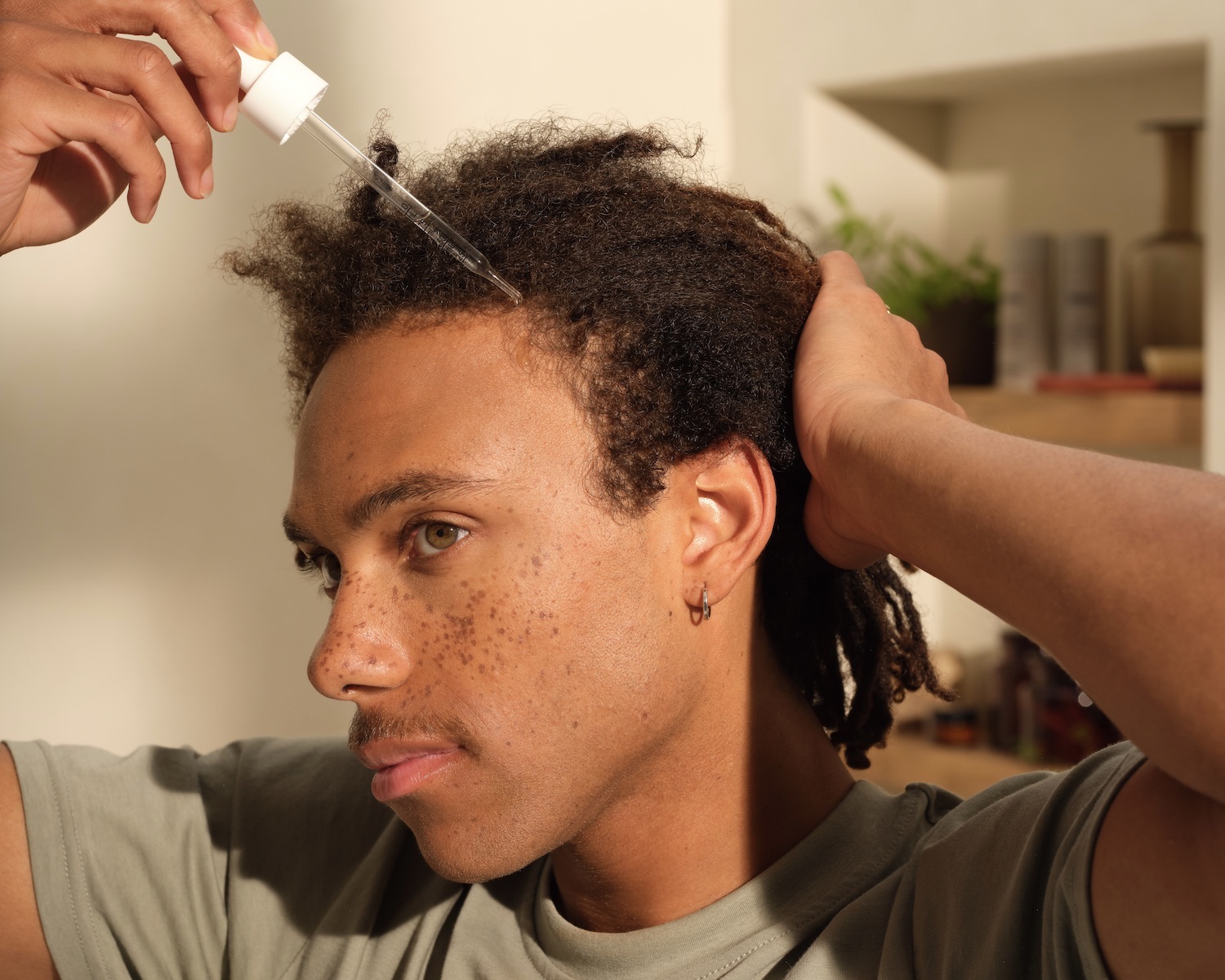
Certain medications may slow a receding hairline or reduce hair loss. Minoxidil (Rogaine), commonly used as a 5 percent topical solution, often benefits men. Minoxidil widens blood vessels, improving scalp circulation and encouraging hair growth. It may also enlarge hair follicles, yielding thicker strands.
Finasteride (Propecia) is an oral prescription that alters androgen levels, addressing the hormonal basis of male pattern baldness. Finasteride can have side effects, including possible sexual dysfunction.
Manage stress
Maintain a balanced lifestyle with seven to eight hours of sleep nightly, a heart-healthy diet, regular physical activity, and stress-management practices such as meditation, breathing exercises, or yoga. Stress has been linked to hair loss, so reducing stress may help preserve hair.
What risk factors raise the chance of a receding hairline in Black men?
Along with a family history of baldness or a retreating hairline, several other factors can contribute to hair loss at the hairline or elsewhere. Common risk factors include:
- variants in the androgen receptor (AR) gene, which can influence hair growth and loss
- radiation therapy to the head
- use of certain medications for cancer, depression, heart disease and high blood pressure, arthritis, or gout
- alopecia areata, an autoimmune condition that creates patches of hair loss
- stress, including a traumatic event, though stress-related hair loss may eventually regrow
Finding appropriate care
There are many products and practitioners promising hair restoration, but beware of scams that waste money and might harm your scalp.
- Begin by consulting a dermatologist about your scalp health and the best treatments for you.
- Confirm that anyone performing treatments is licensed or certified. Ask for credentials and verify them with your state’s professional licensing agency.
- Seek recommendations from friends, colleagues, or others who can point you to reputable, effective providers.
How can Black men treat a receding hairline?
Treatment depends on your budget and the degree of hair loss.
When traction alopecia is driving a receding hairline, gentler hair care may restore some lost hair or at least halt further loss. If genetics or hormones are responsible, several options exist to address male pattern baldness.
Treatment possibilities include:
Medications
Minoxidil and finasteride may help regrow some hair and often prevent further hairline recession while they are used.
Hairline restoration
Also called a hair transplant, hairline restoration is a surgical procedure that removes hair follicles from a donor area at the back of the head and transplants them to the front scalp. After transplant surgery, ongoing use of minoxidil and finasteride is typically required to maintain results.
One limitation for Black men is that donor hair can be less dense, meaning fewer follicles available for harvest. Those with extensive loss may also be poor candidates for transplant surgery.
Red light therapy
Red light therapy (low-level laser therapy or cold laser therapy) directs photons at the scalp to stimulate hair follicle cells and promote growth. It’s generally safe and less invasive than surgery, but it doesn’t work for everyone.
Platelet-rich plasma (PRP) therapy
PRP therapy uses a person’s own blood platelets to encourage healing. Injecting platelets into scalp areas with hair loss may stimulate new hair growth in people with androgenetic alopecia.
Stem cell therapies
Stem cell approaches for hair loss involve collecting stem cells from small tissue samples and using them to create new hair follicles, which are then transplanted to the scalp.
Scalp micropigmentation
Similar to cosmetic tattooing, scalp micropigmentation (SMP) tattoos tiny dots on the scalp to reduce the contrast between thinning hair and scalp skin, making existing hair appear fuller.
Optum Now is operated by RVO Health. By clicking on this link, we may receive a commission. Learn more.
What is the outlook for Black men with receding hairlines?
Minoxidil and finasteride can be effective at stopping a receding hairline, but their benefits persist only while the medications are used; stopping them typically allows hair loss to resume. Hair restoration surgery can offer a more lasting outcome.
If hair loss was caused by a medical issue or side effects of medications or cancer treatment, hair may grow back once the underlying cause is addressed.


















Leave a Reply
You must be logged in to post a comment.