

Key takeaways
- High alcohol intake can cause nutritional shortfalls that influence hair health by lowering levels of vital nutrients such as zinc, copper, and protein, potentially resulting in hair thinning or loss.
- Alcohol can disturb thyroid activity and hormonal balance, which may contribute to gradual hair shedding or loss, particularly when combined with smoking, vaping, or other tobacco use.
- Cutting back on alcohol, eating a varied diet, and seeking advice from a healthcare provider can support hair recovery and help prevent further loss.
Shedding between 50 and 100 hairs a day is normal, so spotting a few strands in your brush or comb typically isn’t alarming.
But if you’re losing a lot more than that, you might ask whether your habits are to blame. Could that nightly glass of wine be damaging your hair?
It’s unlikely. There’s no direct evidence tying moderate alcohol use to hair loss. Nevertheless, heavy drinking can create situations — like nutritional shortages or hormonal disruptions — that may thin your hair.
Remember there are various types of hair loss, so discussing your specific condition and probable causes with your physician is important.
Other behaviors that often accompany drinking, such as smoking, can worsen hair loss and cause additional cosmetic problems. Here’s what to know.
Lost nutrients associated with drinking
Excessive alcohol can contribute to deficiencies or poor absorption of important nutrients. Notably, lack of zinc, copper, or protein has been linked to increased hair shedding.
Iron may play a role in hair loss for some individuals, though its precise effect remains uncertain. Research findings have been mixed.
In certain instances, heavy drinkers may consume inadequate nutrients because of a poor diet. In other cases, alcohol can impair how the body digests and utilizes food.
Iron
Too much alcohol can reduce intake of iron-rich foods.
Researchers haven’t reached a consensus on whether iron deficiency directly causes hair loss. A 2013 study indicated iron could be involved in a specific form of hair loss among women, but broad recommendations for iron supplements as treatment are lacking.
Most nonpregnant adults are advised to consume between 11 and 18 milligrams of iron daily.
Iron deficiency is the most prevalent nutritional deficiency globally. Below are common signs and symptoms of low iron.
Zinc and copper
Alcohol can alter the absorption of zinc and copper.
A 2013 study looking at people with four types of hair loss — alopecia areata, telogen effluvium, female pattern hair loss, and male pattern hair loss — found zinc deficiency may be linked to hair loss.
According to the authors, other researchers have suggested low serum copper might also be involved. The mechanisms behind these associations are still under investigation.
Some evidence hints that copper deficiency could contribute to premature graying, though more research is required.
The National Institutes of Health notes most people in the U.S. get sufficient zinc from their diet. However, adults over 60 may be at higher risk of zinc deficiency, especially if food access is limited. The recommended daily zinc intake for most adults is 8 to 11 milligrams.
Copper deficiency from diet is uncommon in the U.S., but individuals who’ve had bariatric surgery or have celiac disease or inflammatory bowel disease may be susceptible.
Daily recommended copper intake is about 2 milligrams.
Protein
Alcohol may also hinder protein absorption or lead to lower protein intake.
Research indicates severe protein deficiency can cause various skin, hair, and nail problems — from flaky skin and fragile nails to thinning hair or hair loss. Here are additional signs of protein deficiency.
Generally, recommended protein intake is 0.8 grams per kilogram of body weight. To calculate your own daily protein target in grams, multiply your weight in pounds by 0.36.
Thyroid problems associated with drinking
Chronic heavy drinking can impact the thyroid and the broader hypothalamo-pituitary-thyroid (HPT) axis. It can also disrupt other hormonal interactions that regulate processes like hair growth and shedding.
Significant or prolonged hypo- and hyperthyroidism can produce hair loss and diffuse thinning across the scalp. This might occur suddenly or develop over months to years. However, experts note that mild or temporary cases usually don’t result in hair loss.
There’s also an association between alcohol withdrawal and thyroid problems; researchers suggest chronic alcohol damage to the thyroid gland might be a cause.
Smoking and drinking together
Social drinking often coincides with smoking.
Smoking is linked to skin problems like wrinkles. Nicotine and other tobacco chemicals affect skin and hair by constricting blood vessels and reducing blood flow, limiting oxygen and nutrient delivery to the skin.
Smoking also:
- slows healing of wounds
- raises cancer risk
- heightens the chance of chronic skin disorders, such as psoriasis
Moreover, tobacco smoke contains roughly 4,000 chemicals that can harm collagen and elastin, causing sagging skin and premature aging.
One study examined smoking’s relationship to baldness and found a notable association, likely due to smoke’s damaging effects on hair follicles and disruption of the hair growth cycle.
Other effects of heavy drinking
Heavy alcohol consumption can alter overall appearance, typically because it interferes with normal bodily functions and may produce vitamin and nutrient deficits.
Besides weight changes, you may notice premature aging signs and even more pronounced alterations in appearance.
Other possible effects include:
- facial puffiness
- ruddy skin tone
- rosacea or psoriasis flare-ups
- skin spots
- bloodshot eyes
Additionally, liver damage linked to alcohol can influence the skin and scalp.
Is it reversible?
The encouraging news is that addressing the underlying cause of hair loss can often kickstart regrowth.
If your drinking and its consequences could be contributing, reflect on how much you consume. Experts advise limiting alcohol to moderate amounts. This typically means up to one drink per day for most women and up to two drinks per day for most men.
One standard drink equals:
- 5 ounces of wine
- 12 ounces of beer
- 1.5 ounces of distilled spirits
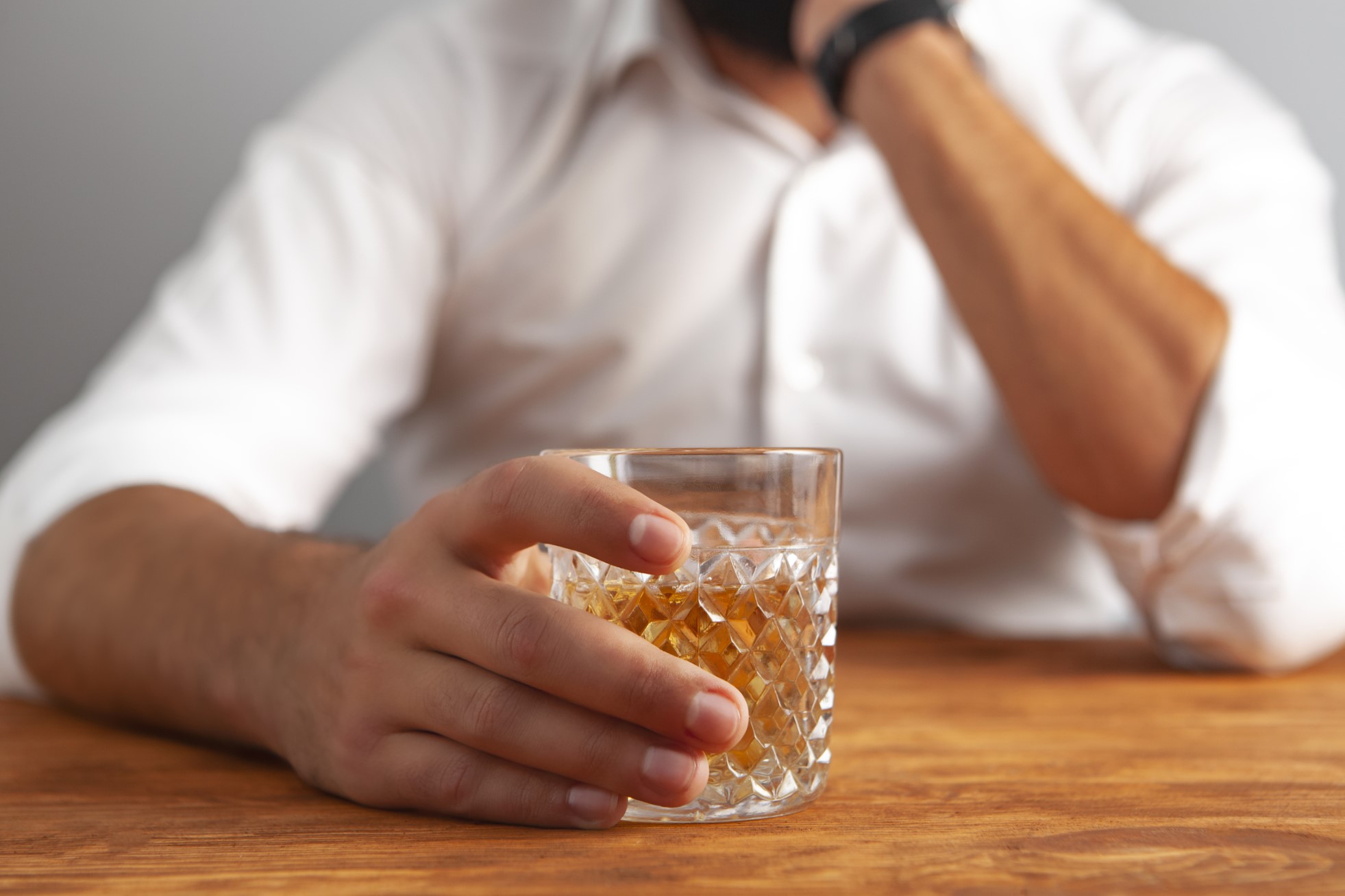
Still, a recent global study on alcohol’s health effects suggests there may be no completely safe level of drinking.
After you reduce alcohol intake, try the following:
- Eat a varied diet. Emphasize nutrients like iron, zinc, copper, and adequate protein. Discuss supplementation with your doctor if you have deficiencies.
- Stay hydrated. On average, men should aim for about 15.5 cups of fluids daily, and women around 11.5 cups.
- Consult your doctor. Discuss your hair loss with a clinician. Depending on the cause, thyroid testing or other assessments might be necessary. Medication or specific therapies could be needed to restore normal levels.
- Quit smoking. Your doctor can refer you to local support and treatments to help stop smoking, and can prescribe medications if appropriate. You can also visit SmokeFree.gov.
Bear in mind that even temporary hair loss may not reverse immediately. Typically, it can take six to nine months for normal hair growth to return. People with genetic hair loss or other underlying disorders may not regain hair without targeted treatment.
The takeaway
If you’ve observed increased hair shedding or bald patches, see your doctor. Heavy drinking and related conditions or accompanying lifestyle choices can affect your skin and hair.
However, numerous types of hair loss and other medical issues can cause shedding. Some of these require further medical care before hair regrowth is possible. Your physician can perform tests to determine the underlying cause and guide appropriate treatment.

















Leave a Reply
You must be logged in to post a comment.