

Good oral care, along with eating foods like parsley and pineapple, can help alleviate halitosis that begins in the mouth. If an underlying medical issue is producing unpleasant breath, treating that condition may improve the odor.
Some people mistakenly believe their breath is offensive when it is actually neutral. Others have strong breath but aren’t aware of it. It’s often difficult to detect your own breath, let alone accurately assess its scent.
Ask a trusted person for an honest assessment — choose a time well away from just having eaten a heavily seasoned meal like tuna with onions.

If someone confirms your concerns and your breath is an issue, don’t panic. There are many at-home approaches that can reduce or remove bad breath. Below are several to consider.
Where bad breath comes from
Bad breath most often starts in the mouth, where bacteria are always present. Food particles become trapped between teeth and in crevices. Bacteria feed on these particles and release foul-smelling sulfur compounds.
Poor oral hygiene is the leading contributor to halitosis. If you don’t brush and floss regularly, oral bacteria continue to multiply and a sticky film called plaque builds up on teeth. When plaque isn’t removed at least twice daily, it produces bad odors and can lead to tooth decay, which smells as well.
All foods can lodge in teeth, but pungent foods such as garlic and onions commonly cause worse breath. When these foods are digested they release sulfur compounds into the bloodstream. Once the blood reaches the lungs, these compounds affect your exhaled breath.
Although more than 90 percent of halitosis cases originate in the mouth, sometimes the cause lies elsewhere in the body. Acid reflux, for example, can bring back unpleasant-tasting fluid. Other possible causes include infections, complications of diabetes, and kidney failure. Adopting certain diets, like the ketogenic diet, can also change breath odor.
At-home treatments for bad breath
Proper oral hygiene
Research indicates that inadequate oral care is the most frequent cause of bad breath. Preventing plaque accumulation is essential for a healthy mouth. Brush your teeth with a fluoride toothpaste for two minutes at least twice daily (morning and night).
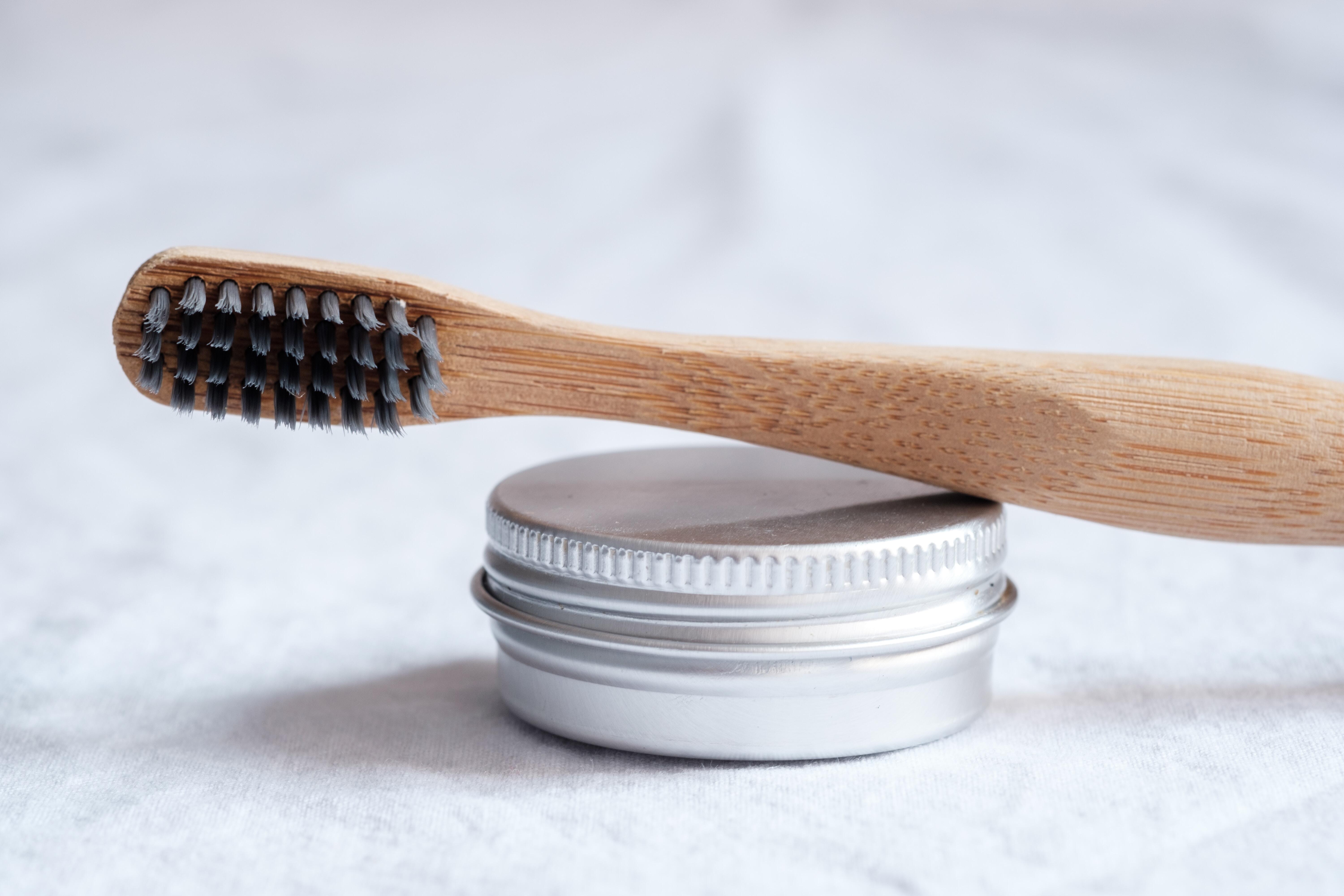
Some people prefer brushing after each meal to prevent decay and halitosis. To stop bacteria from growing on trapped food particles, floss at least once per day.
Bacteria also gather on the tongue and can produce an unpleasant smell. Tongue scraping can remove this thin layer of film. Use your toothbrush or a dedicated tongue scraper to clean your tongue at least once daily. Learn more about why it’s important to clean your tongue.
Parsley
Parsley is a traditional folk treatment for bad breath. Its fresh aroma and high chlorophyll content suggest it may act as a deodorizer. Studies (not directly on human breath, however) indicate parsley can neutralize foul sulfur compounds.
To use parsley for breath control, chew fresh leaves after meals or take a parsley supplement available here.
Pineapple juice
Many people claim pineapple juice is a fast, effective remedy for bad breath. While scientific proof is limited, anecdotal accounts suggest it can help.
Drink a glass of pure pineapple juice after meals, or chew a slice of pineapple for one to two minutes. Be sure to rinse your mouth afterward to remove the fruit’s sugars.
Water
Studies show that dry mouth often contributes to bad breath. Saliva plays a crucial role in keeping your mouth clean; without enough saliva, bacteria flourish.
Your mouth naturally dries out during sleep, which is why morning breath is commonly worse.
Prevent dryness by staying hydrated. Drinking water (not beverages with caffeine or sugar) throughout the day helps stimulate saliva production. Aim for about eight glasses of water daily.
Yogurt
Yogurt contains beneficial bacteria such as lactobacillus. These good bacteria can help suppress harmful bacteria in areas like the gut.
Research suggests yogurt may reduce bad breath. One study found that after six weeks of consuming yogurt, 80 percent of participants experienced a decrease in halitosis. Probiotic strains in yogurt help reduce the severity of breath odor.
To try yogurt as a remedy, eat at least one serving per day of plain, nonfat yogurt.
Milk
Milk is a commonly cited remedy for bad breath. Studies show that drinking milk after eating garlic can noticeably reduce “garlicky” breath.
Use this approach by drinking a glass of low-fat or whole milk during or after meals that contain strongly scented ingredients like garlic and onions.
Fennel or anise seeds
Fennel and anise seeds have been used for centuries to freshen the breath. In parts of India, roasted fennel seeds are still consumed as “mukhwas,” or natural mouth fresheners, to cleanse the breath after meals. They are sweet-tasting and contain aromatic essential oils that impart a fresher scent.
You can eat fennel or anise seeds plain, roasted, or sugar-coated.
Orange
Oranges make a healthy dessert and support oral hygiene as well.
Many people have bad breath because they produce too little saliva to wash away odor-causing bacteria. Research shows that vitamin C stimulates saliva production, which can help reduce bad breath. Oranges are a rich source of vitamin C.
Zinc
Zinc salts, found in some mouthwashes and chewing gums, can help neutralize bad breath. Zinc reduces the concentration of sulfurous compounds in breath. Research has demonstrated that regular rinsing with a zinc-containing solution can lower bad breath for at least six months.
Try a zinc chewing gum designed for dry mouth, or find zinc supplements at drug stores or online here.
Green tea
Green tea is an effective natural remedy for bad breath. Research indicates green tea has antibacterial and deodorizing qualities that can temporarily freshen breath. Mint has similar benefits, so a cup of green mint tea can be especially refreshing.
Brew two cups of tea before bedtime and chill them overnight. Pour cooled tea into a bottle to sip during the day. Purchase green mint tea here.
Apples
One study found that raw apples are highly effective against garlic breath. Certain natural compounds in apples neutralize the foul-smelling garlic compounds. This is especially helpful for persistent garlic breath because it neutralizes compounds in the bloodstream rather than merely masking odors in the mouth.
Baking soda homemade mouthwash
Studies have shown baking soda (sodium bicarbonate) can kill oral bacteria. Research suggests toothpastes with high levels of baking soda effectively reduce bad breath.
To prepare a baking soda rinse, mix 2 teaspoons of baking soda into 1 cup of warm water. Swish this solution around your mouth for at least 30 seconds, then spit it out.
Vinegar homemade mouthwash
Vinegar contains acetic acid, a natural acid that inhibits bacterial growth. A vinegar rinse may therefore reduce bacterial proliferation.
Mix 2 tablespoons of white or apple cider vinegar into 1 cup of water. Gargle for at least 30 seconds and then spit out.
When to consult a physician
Most halitosis begins in the mouth and improves with better oral hygiene.
However, sometimes bad breath signals a more serious problem such as diabetic ketoacidosis, kidney dysfunction, or an infection.
If your breath does not improve with home remedies and good oral care, see your doctor or dentist for evaluation.




















Leave a Reply
You must be logged in to post a comment.