10 Home Remedies for Gingivitis


- Can you eliminate gingivitis naturally?
- Saltwater
- Mouthwash
- Lemongrass oil mouthwash
- Aloe vera mouthwash
- Tea tree oil mouthwash
- Sage mouthwash
- Guava leaf mouthwash
- Oil pulling
- Coconut oil pulling
- Arimedadi oil pulling
- Topical treatments for gingivitis
- Ginseng
- Curcumin
- Frequently asked questions
- Can salt water cure gingivitis?
- Does hydrogen peroxide help gingivitis?
- How do you reverse gingivitis without visiting the dentist?
- Takeaway
Gingivitis can often be managed and averted with simple self-care approaches. Ideally, preventing it is the best strategy, but many people find relief using home treatments.
At-home options are affordable and can be effective, particularly in the early phases of gingivitis.
Although these remedies are generally safe, consult a healthcare professional before trying them if you are pregnant, breastfeeding or chestfeeding, or have any underlying medical conditions.
Below are 10 home treatments that may ease symptoms and help prevent future gingivitis. Use high-quality ingredients and store preparations in the fridge in warm climates.

Can you eliminate gingivitis naturally?
Certain home remedies may help lower plaque levels and so reduce the risk of developing gum disease such as gingivitis.
Yet the most reliable prevention is removing plaque before it hardens into tartar. That requires consistent oral care habits, including:
- brushing at least twice daily
- using a soft or extra-soft toothbrush, and an electric brush when possible
- replacing your toothbrush every three months
- flossing every day
- using a natural mouthwash
- visiting your dentist at least once a year
- avoiding smoking or chewing tobacco
- reducing intake of sugary foods
If you’re not caring for your teeth and gums properly, home treatments alone won’t clear gingivitis once it’s established. A dentist is needed to diagnose it and to check for progression to periodontitis, which requires professional cleaning.
If you have severe signs—intense pain, heavy bleeding—or if home remedies aren’t helping, seek dental or medical attention. Untreated gingivitis can lead to more serious problems.
Saltwater
Gingivitis results from plaque accumulation, which is linked to microbes such as Streptococcus, Fusobacterium, Actinomyces, Veillonella, and Treponema.
A 2017 study found that saline rinses can be as effective as chlorhexidine, a common mouthwash, for reducing dental plaque.
However, a 2024 study indicates that saltwater may be less potent than chlorhexidine or some herbal mouthwashes.
Also, excessive or prolonged use of salt rinses can harm tooth enamel. Over time, the mixture’s acidity could contribute to enamel erosion.
Learn more: How a saltwater rinse supports oral health and how to perform one.
Mouthwash
If saltwater isn’t easing your symptoms, consider trying a stronger mouthwash. Never swallow mouthwash—spit it out after swishing.
There are prescription and commercial mouthwashes for gingivitis, but you may prefer to try homemade options first.
Avoid any recipes if you’ve had allergic reactions to ingredients. When using essential oils, always begin with a strongly diluted blend to prevent irritation.
Examples include:
Lemongrass oil mouthwash
Research from 2017 and 2021 suggests lemongrass oil may help prevent gingivitis by lowering plaque levels.
To make a lemongrass mouthwash:
- Mix about 5 drops of lemongrass essential oil and 1 teaspoon of 75% ethyl alcohol into 7 tablespoons of water.
- Swish the mixture in your mouth for up to 30 seconds.
- Spit out the liquid.
- Use two to three times per day.
Learn more: The potential benefits of lemongrass essential oil.
Aloe vera mouthwash
A 2023 study found aloe vera was comparable to chlorhexidine in lowering plaque and gingivitis, with both producing notable improvements.
Unlike many rinses, aloe vera juice typically doesn’t require dilution. Ensure the product is 100% pure before use.
To use an aloe vera mouthwash:
- Swish the pure juice in your mouth for 30 seconds.
- Spit it out.
- Repeat two to three times daily.
Always purchase aloe vera from a trusted supplier and follow label directions. You may also be interested in reading about aloe vera for gums.
Learn more: 5 health benefits of drinking aloe vera juice.
Tea tree oil mouthwash
A 2020 study found tea tree oil mouthwash shows promise for treating gingivitis.
To prepare a tea tree oil rinse:
- Add up to three drops of tea tree oil to a cup of warm water.
- Swish for up to 30 seconds.
- Spit it out.
- Repeat two to three times per day.
You can also add a drop of tea tree oil to your toothpaste when brushing.
Learn more: 14 practical uses for tea tree oil.
Sage mouthwash
A 2024 study showed sage mouthwash significantly improves signs of periodontitis, when inflammation spreads from the gums to surrounding tissues.
To make a sage rinse:
- Boil 1 to 2 cups of water.
- Add 2 tablespoons of fresh sage or 1 teaspoon of dried sage and 1 teaspoon of salt to the water.
- Simmer for 5 to 10 minutes.
- Strain and let cool.
- Use as a rinse two to three times daily.
Sage’s antibacterial and anti-inflammatory qualities may assist in reducing gum swelling and fighting infection.
Learn more: 12 health benefits and uses of sage.
Guava leaf mouthwash
Guava has long been used to support oral hygiene. Research indicates it possesses anti-plaque and other beneficial properties.
To prepare a guava leaf rinse:
- Crush five to six tender guava leaves with a mortar and pestle.
- Add the crushed leaves to 1 cup of boiling water.
- Simmer for 15 minutes.
- Let the mixture cool, then add a pinch of salt.
- Swish the lukewarm rinse in your mouth for up to 30 seconds and spit.
- Repeat two to three times daily.
Healthline: 8 benefits of guava fruit and leaves.
Optum Now is operated by RVO Health. By clicking on this link, we may receive a commission. Learn more.
Oil pulling
Oil pulling resembles using a mouthwash but takes longer. It involves swishing oil in the mouth for 20 to 30 minutes to remove bacteria, clear toxins, and boost oral health.
Although oil pulling has been part of Ayurvedic practice for millennia, it has become more popular in Western countries recently.
Oil pulling is generally safe. Avoid swallowing the oil, as it contains drawn-out bacteria and toxins.
If 20 minutes feels too long at first, start with a shorter duration and gradually increase, or split the routine into two shorter sessions per day.
Coconut oil pulling
Coconut oil contains lauric acid, which has antimicrobial and anti-inflammatory effects. A 2020 study reported that coconut oil pulling notably lowers plaque and gingivitis signs.
To perform a coconut oil pull:
- Place 1 to 2 teaspoons of fractionated coconut oil (liquid at room temperature) in your mouth.
- Swish the oil around for 20 to 30 minutes, avoiding the back of the throat.
- Spit the oil out when finished.
- Rinse your mouth with water and spit.
- Drink a full glass of water.
- Brush your teeth.
Learn more: How coconut oil pulling can change your dental health.
Arimedadi oil pulling
Research suggests arimedadi oil may reduce plaque growth and improve gingivitis symptoms. This traditional oil blend typically contains ingredients such as clove and acacia.
To use arimedadi oil:
- Place 4–5 drops of arimedadi oil on your gums and gently massage for two minutes, avoiding the throat.
- Spit the oil out.
- Rinse with water and spit.
- Drink a full glass of water.
- Brush your teeth.
Topical treatments for gingivitis
If rinses aren’t effective, applying a topical gel or cream directly to the gums may help.
To apply a topical gel:
- Brush your teeth.
- Rinse thoroughly.
- Apply a pea-sized amount of gel to the gums using a finger, cotton swab, or toothbrush.
- Allow the gel to remain for 30 minutes without eating or drinking.
- Swish water to collect remaining gel and spit it out.
- Use twice daily.
Herbal gels that may be useful include:
Ginseng
A 2024 study found ginseng gel to be as effective as chlorhexidine gel in lowering plaque and other markers of oral disease.
Learn more: why you should be cautious about ginseng .
Curcumin
Research from 2019 and 2021 suggests gels containing curcumin, the active compound in turmeric, may help prevent plaque and gingivitis, likely due to anti-inflammatory effects.
Learn more: Turmeric and curcumin side effects.
Frequently asked questions
Can salt water cure gingivitis?
Salt rinses can help reduce plaque and so lower the risk of gingivitis. However, established gum disease often requires professional treatment.
Does hydrogen peroxide help gingivitis?
A 2020 study showed rinsing with a 1.5% hydrogen peroxide solution may reduce plaque and oral bacteria, though it may be less effective than chlorhexidine. For guidance on home rinses, see gargling hydrogen peroxide.
How do you reverse gingivitis without visiting the dentist?
In early stages, improving and maintaining oral hygiene can sometimes reverse gingivitis.
Takeaway
Some improvement is often noticeable within days of starting treatment, but full resolution can take longer.
Be proactive about oral health to prevent recurrence. If you have health conditions that increase your risk, stay in regular contact with your dentist so they can monitor changes.
A nutrient-rich diet high in vitamins and minerals also supports gum health and helps prevent oral disease.
Frequently Asked Questions
Saltwater rinses can reduce plaque and soothe inflamed gums, helping early gingivitis, but established cases may need professional treatment.
Oil pulling, especially with coconut oil, may lower plaque and inflammation and can complement oral hygiene, but it should not replace brushing and flossing.
Many herbal rinses like aloe vera or diluted tea tree oil are safe for short-term use; always dilute essential oils and stop if irritation occurs or consult a provider.
Topical gels containing ingredients like curcumin or ginseng can help reduce plaque and inflammation when used with good oral hygiene, but severe cases need dental care.
See a dentist if symptoms persist, worsen, cause heavy bleeding or pain, or if home remedies don’t improve your gum health within a short time.
Read Next

Hyperdontia: Do I Need to Have My Extra Teeth Removed?

Debunking the Myth of Tooth Worms and Other Cavity Causes

Everything You Need to Know About Fever Blister Remedies, Causes, and More

What You Need to Know About Snap-In Dentures
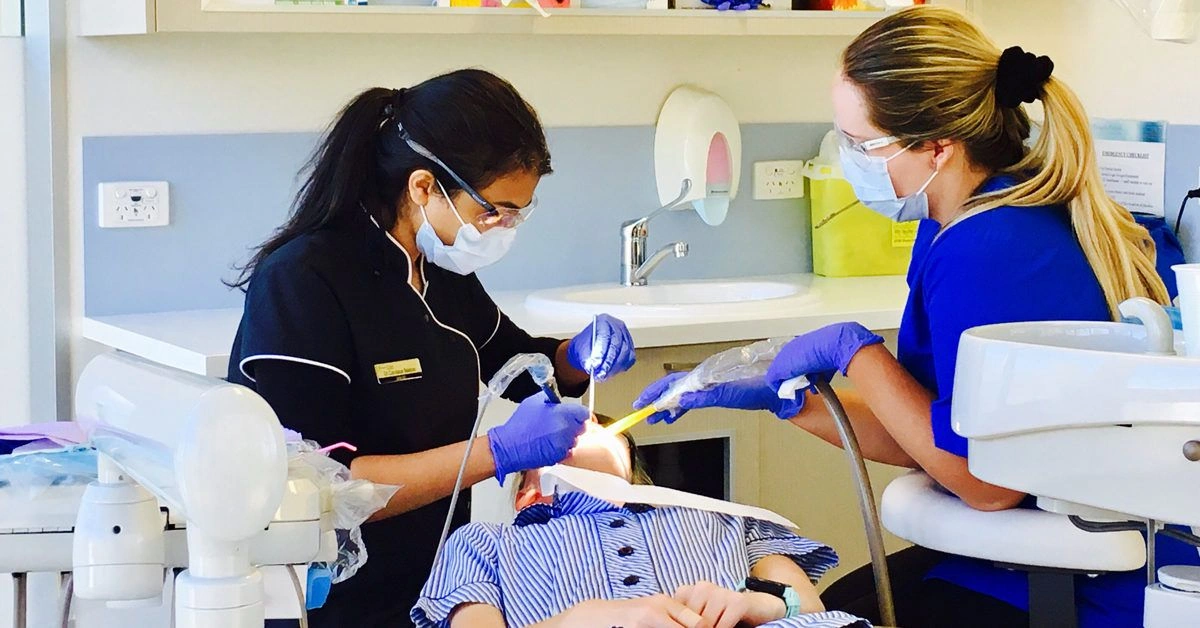
How Long Will I Have to Sit in the Dentist Chair During a Root Canal?

How Does Drinking Soda Affect Your Dental Health?
Related Posts

What Are the Effects of Thumb Sucking on the Teeth and Mouth?
Aug 11, 2026 • 35 min read
What Exactly Is a Tooth Piercing?
Sep 11, 2026 • 23 min read
How Regularly Should You Get Your Teeth Cleaned?
Aug 2, 2026 • 16 min read
Everything You Need to Know About Mini Dental Implants
Aug 24, 2026 • 33 min read
What Should I Do About a Molar Broken Off at the Gum Line
Aug 8, 2026 • 30 min read