
Key takeaways
- Scrotal sweating, often called sweaty balls, is a frequent issue, especially during exercise or in hot, humid environments. The groin contains many sweat glands and is typically warm and covered, making perspiration more likely.
- A light application of talcum powder to the groin can soak up moisture, cool the area, and help prevent itching and chafing. Be sure to wash it off in the shower later to avoid clumping or discomfort from the powder.
- Simple lifestyle adjustments — using an antiperspirant, maintaining good hygiene, and choosing boxers over briefs — can reduce sweaty balls and help you stay cooler and drier.
Causes of excessive scrotal sweating
Some amount of groin perspiration is normal. The groin harbors many sweat glands and is usually warm and covered by clothing, so it readily produces sweat that isn’t easily evaporated by cool air.
Excessive groin sweating can stem from underlying medical issues or simply from everyday habits and environment.
Hyperhidrosis
Hyperhidrosis refers to abnormally heavy sweating, either throughout the body or in targeted regions with a high density of sweat glands, such as the armpits, palms, and groin.
In hyperhidrosis, the nerves that activate sweat glands are overly active, causing glands to produce more sweat than needed for cooling.
This condition can be primary (occurring alone) or secondary to other illnesses like diabetes or infections.
Lifestyle causes
Wearing tight underwear or trousers can promote excessive groin sweating. Non-breathable fabrics trap moisture and prevent sweat from evaporating.
Caffeine and alcohol may boost perspiration and urination as the body adjusts its fluid balance.
Other causes
Occasionally, heavy sweating may be linked to other medical problems.
Hyperthyroidism can produce a range of symptoms, including increased sweating.
Some cancers — such as Non-Hodgkin’s lymphoma and leukemia — are associated with pronounced night sweats. This sweating usually isn’t confined to the groin. The exact reason cancer can cause sweating is unclear; it may reflect the body’s immune response to disease.
Excess body weight may also lead to more sweating. Areas with more sweat glands and skin folds, like the groin, can experience especially intense perspiration.
Side effects of excessive scrotal sweating
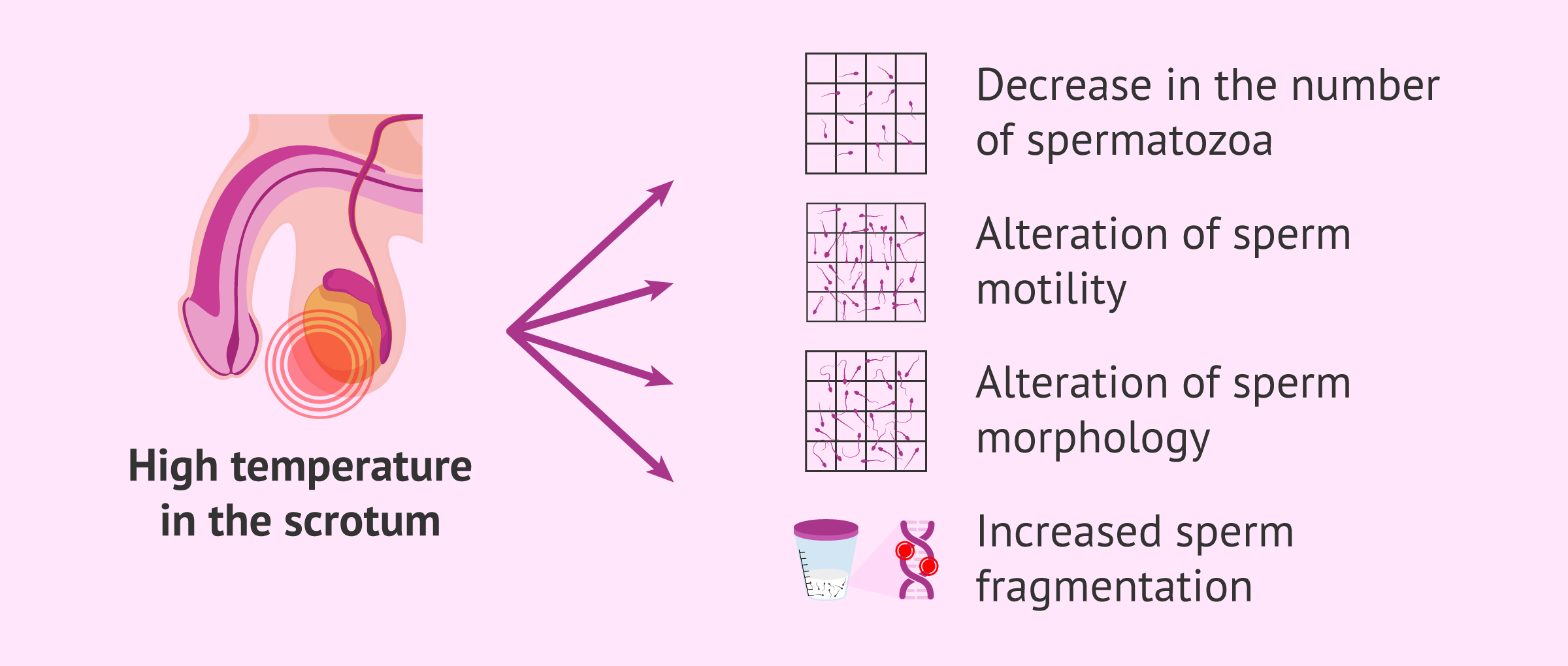
The consequences of a sweaty scrotum range from mere discomfort to more significant complications depending on the cause. Common side effects include:
- Chafing and itching. Moist skin in the groin can become irritated from movement, leading to soreness and itchiness.
- Bacterial infection. A damp environment can encourage bacterial growth, potentially causing boils and other skin infections. If untreated, these infections can spread and create more serious problems.
- Fungal infection. Fungal conditions like jock itch favor warm, sweaty areas where skin rubs together.
Treating excessive scrotal sweating
Talcum powder
Talcum powder may help absorb moisture, cool the groin, and reduce itching and friction.
However, powder can clump on the skin and become uncomfortable; frequent showering can prevent this issue.
Natural talc historically could contain asbestos, a substance linked to lung cancer when inhaled. Since 1976, the cosmetics industry has committed to using talc with no detectable asbestos.
There’s some concern about talcum powder and ovarian cancer, though evidence linking talc to other cancers is limited.
Cornstarch
Some people prefer cornstarch as an alternative to talc for absorbing sweat.
Prescription medications
If diagnosed with hyperhidrosis, your physician may suggest a prescription-strength antiperspirant for the groin and other problem areas.
They might also prescribe medications that block the nerves stimulating sweat glands.
Surgery
When excessive sweating seriously affects quality of life or health, surgical removal of some sweat glands can be considered. Discuss with your doctor whether this approach is suitable.
How to stop excessive scrotal sweating
Small adjustments to daily habits can help you stay drier below the belt. If you prefer not to “go commando,” try these alternatives.
Use an antiperspirant
The antiperspirant you use under your arms can also be applied to the groin and other sweaty spots.
Because the groin is sensitive, test a small area first. If there’s no irritation, you might keep a dedicated antiperspirant for that region.
Products containing aluminum chloride hexahydrate in the 10 to 15 percent range are often most effective.
Practice good hygiene
Shower regularly and change underwear often to keep the groin cleaner and drier. While this won’t stop sweating entirely, it reduces odor and lowers infection risk.
Lose weight
Weight loss isn’t guaranteed to fix excessive sweating but can improve overall health and may reduce sweating in some people.
Eat a healthy diet
Consider these nutritional tips:
- Drink plenty of water. Better hydration helps the body regulate temperature more efficiently, which can reduce sweating.
- Eat calcium-rich foods. Calcium helps regulate temperature and fluid balance. Include calcium-rich options in your diet.
- Eat more fruits and vegetables. These provide vitamins, antioxidants, and fiber that support overall health.
- Choose B vitamin-rich foods. B vitamins support nerve function and metabolic efficiency; when the body runs more smoothly it often sweats less.
Wear boxers instead of briefs
Cotton underwear wicks moisture and can keep the testicles more comfortable. Boxers offer extra space and may help maintain a drier environment.
For related concerns about sweating in other areas, see how to stop sweating armpits. If you notice unusual discharge or other changes, look into nipple discharge in males for more information.
Takeaway
If excessive scrotal sweating is disrupting your daily life, consult your doctor. The cause may be a treatable medical condition. A clinician can recommend prescriptions, antiperspirants, or lifestyle modifications to help you find relief.

















Leave a Reply
You must be logged in to post a comment.