

Essential oils are powerful and largely unregulated, so they should be used cautiously. See your physician for a severe cough or if you have other health concerns.
The appeal of essential oils often stems from their natural origins. They are concentrated extracts taken from plants cultivated worldwide.
Using essential oils to ease symptoms linked to a health issue is considered a complementary or alternative therapy. These approaches fall outside conventional medical care.
Most commonly, essential oils are used in aromatherapy — inhaling the oils to influence the body. You can also apply properly diluted oils topically or diffuse them into the air using an essential oil diffuser.
Essential oils that may help with cough
1. Eucalyptus essential oil
Eucalyptus oil is well-known for easing coughs and related respiratory problems such as pharyngitis, bronchitis, and sinusitis, this study suggests.
Analysis of Eucalyptus grandis revealed immune-modulating properties and activity as an efflux pump inhibitor, which can affect how the body handles bacteria.
Researchers are even exploring eucalyptus oil for anti-tuberculosis potential. Many over-the-counter remedies for congestion, including cough drops and rubs, include eucalyptus.
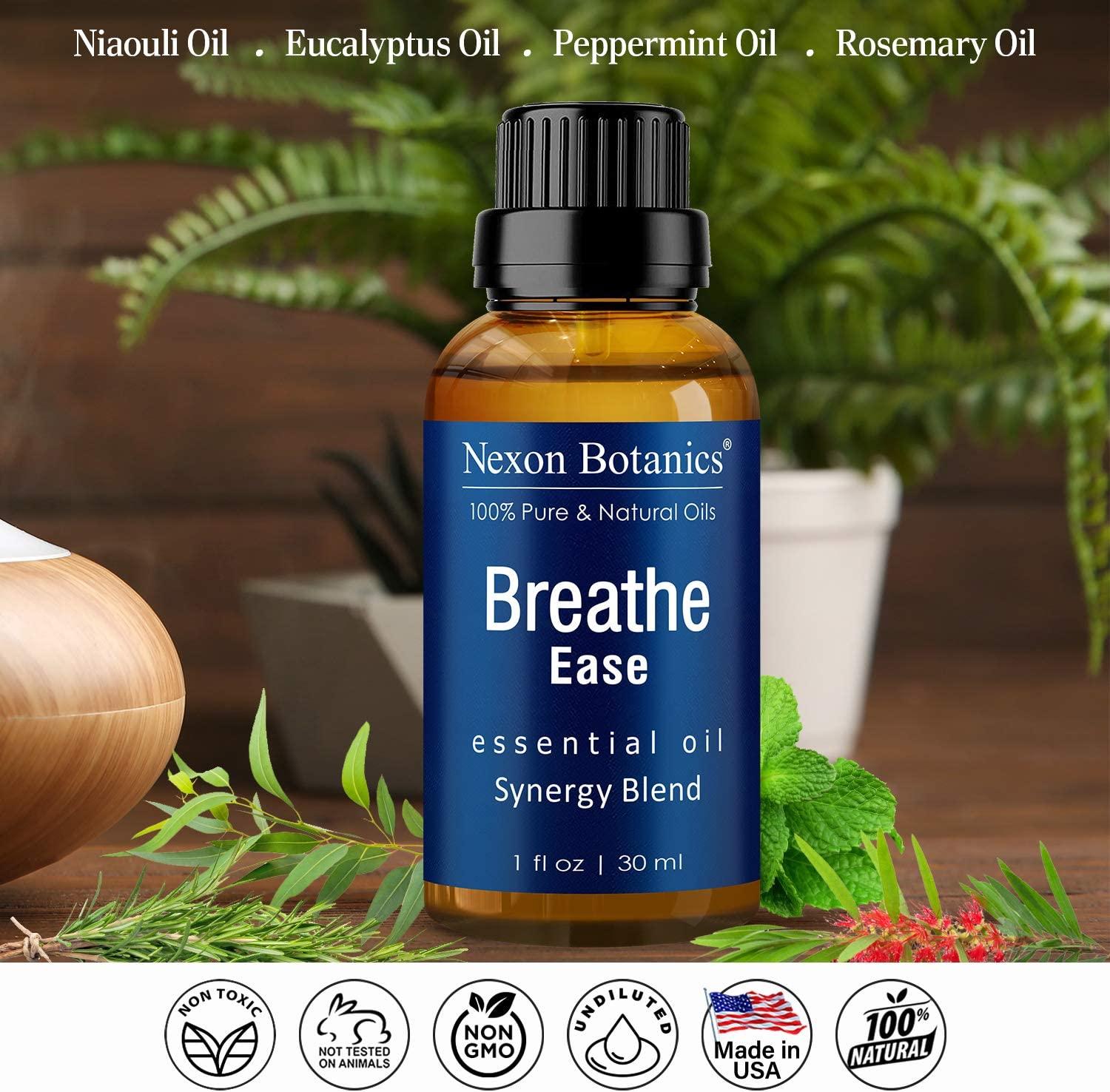
For inhalation, add about 12 drops of eucalyptus oil to 3/4 cup of boiling water and breathe the steam three times a day.
Vicks VapoRub, often used for colds and coughs, contains eucalyptus oil. You can look up recipes to make a homemade rub with eucalyptus or buy a commercial product containing the oil.
2. Cinnamon essential oil
Cinnamon, commonly used as a culinary spice, has historical use for bronchitis. One study found that cinnamon essential oil, when released as a vapor for a short period, may inhibit respiratory pathogens.
Cinnamon oil shows activity against common bacterial growth. Consider diffusing it or inhaling a few drops diluted in steaming water.
3. Rosemary essential oil
Rosemary grows worldwide and may relax the muscles of the trachea, offering respiratory relief. It has also been associated with asthma management, this study reports. Rosemary is often blended with a carrier oil and applied topically.
As with cinnamon, inhaling diluted rosemary oil may provide relief.
4. Nutmeg essential oil
Nutmeg essential oil might be helpful for respiratory conditions. A study showed that inhaling nutmeg or nutmeg-derived oils reduced respiratory tract fluids in rabbits.
Try adding nutmeg oil to a diffuser to see whether it eases your cough. Adjust the quantity based on how it affects your congestion; nutmeg can act as an expectorant and help loosen secretions.
5. Bergamot essential oil
Bergamot may ease congestion because it contains the compound camphene. Inhalation of camphene has been linked to reductions in respiratory tract fluid, according to a study.
Use bergamot oil in a diffuser or humidifier to test whether it helps your cough.
6. Cypress essential oil
Cypress oil, like nutmeg and bergamot, contains camphene, which may help reduce respiratory congestion when inhaled.
Place a few drops of cypress oil in a bowl of warm water and inhale the vapors to see if your cough improves.
7. Thyme essential oil
A study found thyme to have antimicrobial effects relevant to respiratory issues.
Researchers evaluated thyme and other oils for combating respiratory pathogens and concluded that thyme should be dispersed rapidly at high concentration for a short duration.
8. Geranium essential oil
Geranium extracts have been associated with helping infections of the upper respiratory tract, such as bronchitis.
Researchers reviewed several trials assessing geranium extract for cough; all but one reported a link between geranium use and relief of cough symptoms.
Another study found that liquid geranium extract drops reduced common cold symptoms and shortened illness duration.
Consider geranium extracts, or add a few drops of geranium oil to a diffuser or diluted in a bath oil to see if it eases cough and related symptoms.
9. Peppermint essential oil
Peppermint contains menthol and is commonly used for congestion relief, though evidence of objective benefit is limited. One study found menthol inhalation does not objectively relieve symptoms, yet people often perceive improvement after inhaling it.
To get that sensation of relief, you might inhale peppermint oil via a diffuser or from a bowl of steaming water.
10. Lavender essential oil
If your cough is related to asthma, lavender oil may help. One study suggests lavender inhalation reduced airway resistance in bronchial asthma.
Try inhaling lavender via steam, a diffuser, or diluted in a warm bath to see if it eases your cough.
How to use essential oils safely
There are several ways to use essential oils. In their concentrated form they are strong and usually need dilution before use.
Never apply undiluted essential oils directly to the skin. Blend them into a carrier oil — commonly 3 to 5 drops per portion of carrier oils like sweet almond, olive, or warmed coconut oil. Ways to dilute and use essential oils include:
- Mixing with carrier oils for topical application
- Adding to a bowl of hot water to inhale aromatic steam
- Using a diffuser, humidifier, or spray to disperse them into the air
- Blending into a carrier oil for baths or spa products
You might sniff oils briefly from the bottle for a short period, but avoid prolonged direct inhalation because of their strength. Do not ingest essential oils.
Risks and potential problems when using essential oils
Use essential oils cautiously. The U.S. Food and Drug Administration does not regulate their production, so quality and composition can vary widely.
There are no universally accepted medical dosing guidelines for essential oils. Talk with your clinician to ensure they won’t interfere with other health issues or medications.
Consult your doctor if you are pregnant, breastfeeding, or taking other medications before using essential oils.
Do not delay medical care for a severe cough. Essential oils may offer some home relief, but persistent or serious symptoms need professional evaluation and diagnosis.
Be aware that some essential oils can trigger side effects or allergic reactions.
Children may react differently to essential oils and they haven’t been well-studied in pediatric populations. Speak with your pediatrician before using essential oils on or around children.
Pregnant and breastfeeding people have not been extensively studied with essential oils, so exercise extra caution.
Use only oils demonstrated to be safe for infants, children, pregnant and breastfeeding people, and seek approval from your healthcare provider before use.
Takeaway
Trying essential oils might help ease a cough, but keep in mind the evidence is limited. Use essential oils with care, dilute them properly, and introduce them one at a time. Never postpone medical attention for a serious cough or other concerning symptoms.





















Leave a Reply
You must be logged in to post a comment.