
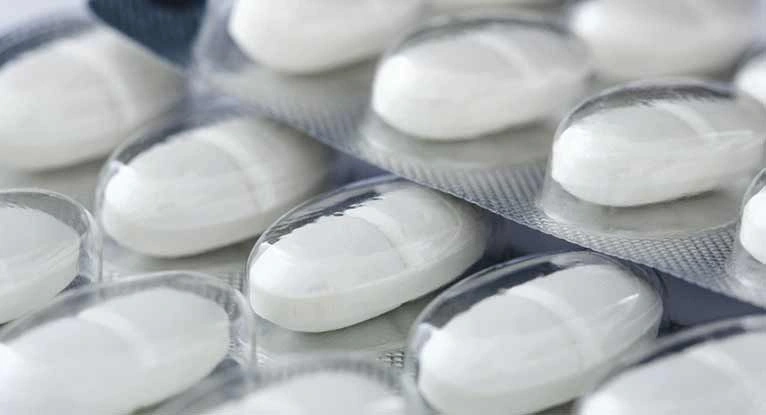
Mucinex DM, when taken as instructed, may produce minor adverse effects such as nausea or constipation. Serious reactions are uncommon and typically occur with excessive use of the medication.
The situation: You’re dealing with chest congestion and keep coughing without finding relief. Now, beyond the congestion, your cough won’t stop.
You’re thinking about Mucinex DM because it’s formulated to address both mucus buildup and persistent coughing. Before you start, you want to understand the possible side effects.
Below is an overview of the medication’s active components and the adverse effects they can produce. Continue reading to learn when these effects are most likely to appear, how to manage them, and what steps to take if they become serious.
What does Mucinex DM do?
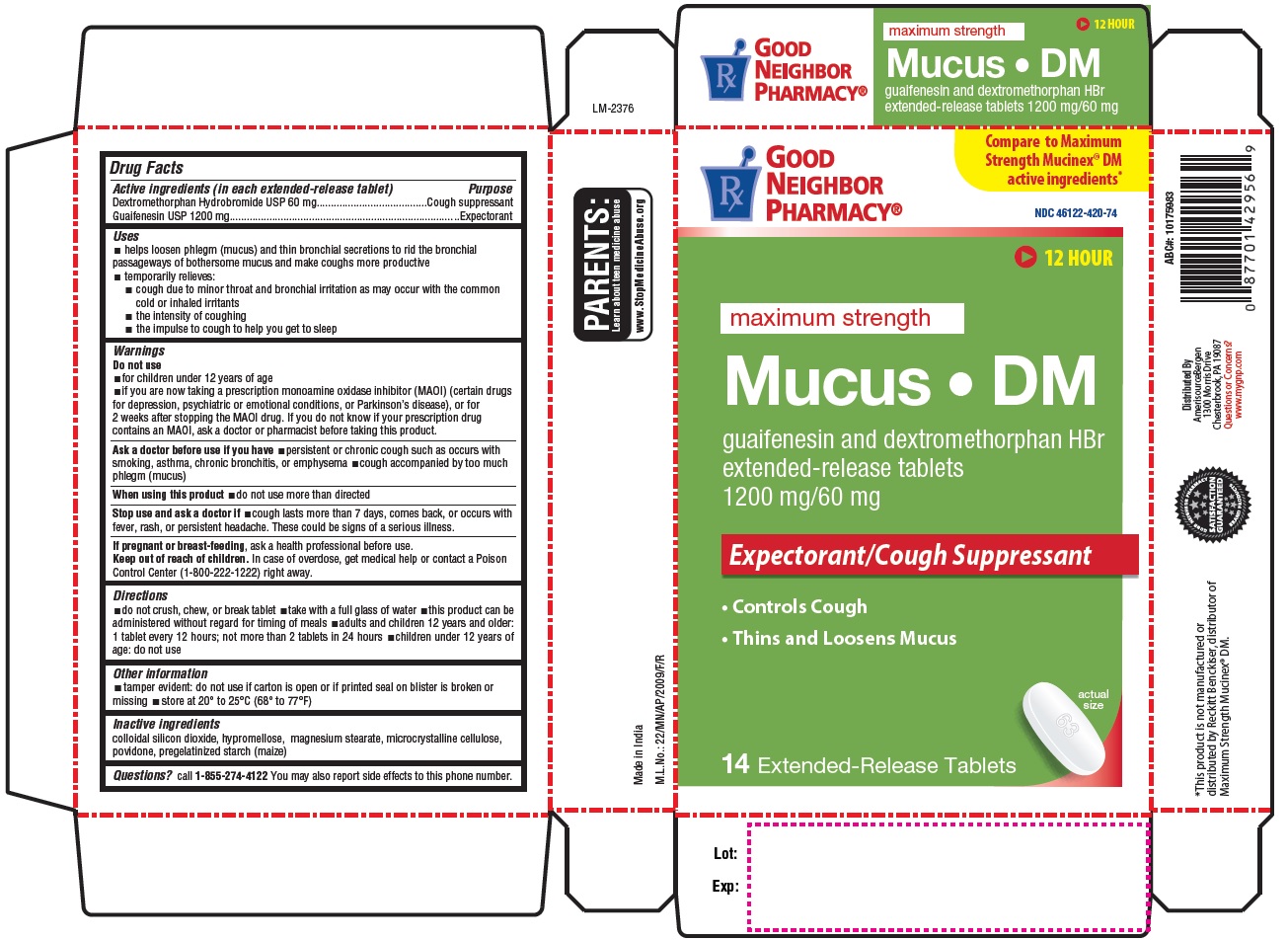
Mucinex DM is an over-the-counter product available as oral tablets and an oral liquid. It contains two active agents: guaifenesin and dextromethorphan.
Guaifenesin helps loosen and thin mucus in the airways. This action makes coughing more productive by enabling you to expel troublesome mucus more easily.
Dextromethorphan works to reduce the severity of the cough and suppress the cough reflex. This component is particularly useful if coughing interferes with sleep.
Mucinex DM is offered in two concentrations. Regular Mucinex DM is available as an oral tablet only, while Maximum Strength Mucinex DM comes in both tablet and liquid forms. Most individuals tolerate both strengths at the recommended doses, though side effects can occur with either formulation.
Mucinex DM side effects
Digestive system effects
Adverse effects may involve the digestive tract. These reactions are uncommon at recommended doses but can include:
- nausea
- vomiting
- constipation
stomach discomfort
Nervous system effects
Because the medication acts on brain receptors to suppress the cough reflex, some people may experience nervous system side effects. At advised doses these are uncommon but may include:
- dizziness
- drowsiness
- headache
These reactions are infrequent. If they are severe or persistent, contact your healthcare provider.
Skin effects
Skin reactions are not common at normal doses but can include allergic responses, often appearing as a rash. If you develop a rash after taking Mucinex DM, discontinue use and consult your doctor.
If the rash worsens or you notice swelling of the tongue or lips, or have trouble breathing, call 911 or your local emergency services right away. These symptoms may indicate a serious allergic reaction.
Side effects from overuse
Adverse effects are most likely when Mucinex DM is taken in excessive amounts. That’s why using it only as directed is crucial. Overuse can produce more serious problems, such as:
- breathing difficulties
- confusion
- feeling jittery, restless, or agitated
- extreme sleepiness
- hallucinations
- irritability
- seizures
- severe nausea
- severe vomiting
- kidney stones
Signs of kidney stones may include:
- fever
- chills
- vomiting
- intense, persistent pain in your back or side
- burning pain when urinating
- foul-smelling urine
- cloudy urine
- blood in the urine
Stop taking the medication and contact your healthcare provider immediately if you experience any of these serious effects.
Drug interactions and serotonin syndrome
If you are taking certain medications for depression or Parkinson’s disease — specifically monoamine oxidase inhibitors (MAOIs) — you should not use Mucinex DM. Combining Mucinex DM with MAOIs can trigger a dangerous condition called serotonin syndrome, which affects the cardiovascular system and can be life-threatening.
Common MAOIs include:
- isocarboxazid
- phenelzine
- rasagiline
- selegiline
- tranylcypromine
Other medications that may raise serotonin levels and increase the risk of serotonin syndrome when taken with Mucinex DM include drugs used for depression, anxiety, and obsessive-compulsive disorder, such as:
- fluoxetine (Prozac)
- paroxetine
Consult your doctor before using Mucinex DM if you are currently on any of these medications.
Optum Now is operated by RVO Health. By clicking on this link, we may receive a commission. Learn more.
Talk with your doctor
When taken as directed, Mucinex DM is likely to cause only mild side effects, if any. Most serious complications arise from misuse or excessive dosing. If you have concerns about taking this medication, talk with your healthcare provider. It’s especially important to consult a doctor about potential side effects if you take other medications or have underlying health conditions.



















Leave a Reply
You must be logged in to post a comment.