Lung & Respiratory
Get the latest on Lung and Respiratory health! Dive into expert articles, research findings, and practical tips to enhance your breathing and well-being. Stay informed today!

12 Houseplants to Refresh Dry Indoor Air
Plants are great. They brighten your rooms and give you a living companion to chat with when people aren’t around. It turns out that having the right plants in enough numbers can also raise indoor moisture (aka humidify) the air, which brings a host of health perks. Proper humidity levels can: ease dry skin and chapped lips prevent a scratchy or dry throat alleviate irritated sinuses and nasal dryness reduce…
Possible Benefits of Eucalyptus Oil
Eucalyptus oil may offer several potential health advantages, such as helping with coughs, clearing chest congestion, disinfecting wounds, and more. That said, additional research is required to confirm many of these effects. Native originally to Australia, eucalyptus trees are cultivated worldwide and valued for their medicinal uses. The therapeutic qualities are derived from eucalyptus oil, extracted from the tree’s oval leaves. The leaves are dried, crushed, and steam-distilled to release…
Do Micro-CPAP Devices Work for Sleep Apnea?
Micro-CPAP devices are promoted as compact, cordless substitutes for conventional CPAP machines, but their effectiveness for treating obstructive sleep apnea (OSA) has not been established. The FDA has not approved micro-CPAP devices, and there is scant clinical evidence to back claims that they eliminate snoring or deliver continuous airway pressure comparable to standard CPAP units. Conventional OSA therapies — including CPAP, surgery, and behavioral changes — remain the accepted standards…
CBD Oil for COPD: Evidence and Research
CBD has demonstrated notable anti-inflammatory properties. Still, further studies are required to determine whether CBD oil could be integrated into conventional COPD treatment plans. (img by HealthCentral) Cannabidiol (CBD) and delta-9-tetrahydrocannabinol (THC) are two active components derived from cannabis plants. THC is primarily responsible for cannabis’s psychoactive effects. CBD offers some of the therapeutic advantages attributed to THC but without producing intoxication. Many people use CBD oil to ease anxiety,…
Blue Bloater and Pink Puffer in COPD: Why Doctors Once Used Those Terms
Chronic obstructive pulmonary disease (COPD) refers to a collection of lung disorders, including chronic bronchitis and emphysema, that obstruct airflow and make breathing difficult. Modern medicine has clarified what drives these illnesses and has improved approaches to treating them. That wasn’t always the situation. Historically, clinicians used the expressions “blue bloater” and “pink puffer” to categorize types of patients with COPD. These phrases captured stereotyped appearances tied to certain COPD…
Mucinex: What Side Effects Can It Cause?
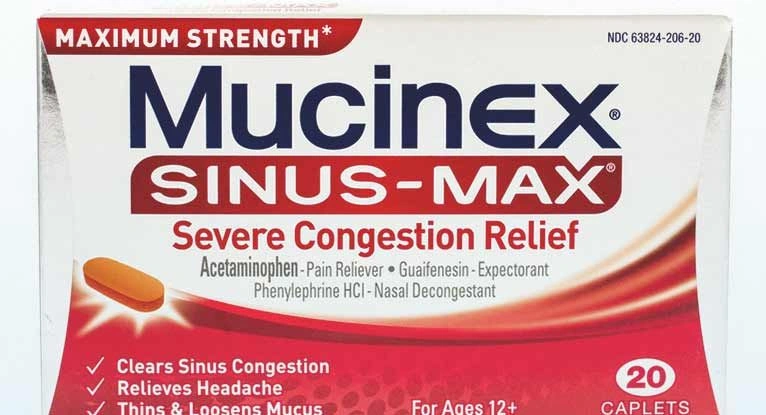
Mucinex can trigger mild to moderate side effects in certain individuals, including digestive discomfort, dizziness, and sleepiness. If you’re trying to determine Which Mucinex does not have acetaminophen, understanding the active ingredients and how they work can help you choose the safest and most appropriate option for your symptoms. When mucus lingers in your airways, it creates an environment where bacteria can accumulate and multiply. Over time, this buildup may…

Is It Safe To Use Mucinex While Pregnant or Breastfeeding?
Many people wonder, Does Mucinex have acetaminophen or ibuprofen in it? Standard forms of Mucinex do not contain acetaminophen or ibuprofen. Instead, they include ingredients such as guaifenesin, dextromethorphan, and pseudoephedrine, depending on the specific product. If you’re pregnant or breastfeeding, understanding exactly what is in your cold medicine is especially important. (SingleCare) Taking Mucinex during the first trimester of pregnancy may not be considered safe. Later in pregnancy or…

Legionnaires’ Disease
What is Legionnaires’ disease? Legionnaires’ disease is a serious and potentially life-threatening form of pneumonia, or lung infection. It is caused by bacteria known as Legionella. The organism was first identified following an outbreak at an American Legion convention in Philadelphia in 1976. Individuals who became ill developed a severe pneumonia that was later named Legionnaires’ disease. Legionella bacteria grow best in warm water environments. People contract the infection by…
Prednisone for Asthma: Does It Work?
Prednisone works on the immune system to lower inflammation in the airways of people with asthma. It takes a few hours to begin working and usually must be taken for multiple days to prevent the inflammation from returning. (img by Pulmonology Advisor) Prednisone is a man-made anti-inflammatory drug approved by the Food and Drug Administration (FDA). It’s a delayed-release corticosteroid derived from the hormone cortisone and is available as an…
What You Need to Know About SABA Medications for Asthma
Short-acting beta-agonists (SABAs) are a group of bronchodilator medicines used to rapidly ease asthma symptoms. They’re most commonly inhaled through a rescue inhaler or delivered by a nebulizer. SABA drugs act by relaxing the tiny muscles in your bronchial tubes (airways), helping them open so breathing becomes easier. They can also assist in loosening and clearing excess mucus from your airways. Although SABAs play a vital role in asthma care,…