

The long-term risks and safety of e-cigarettes and other vaping devices are still not clearly understood. In September 2019, federal and state health agencies began probing an outbreak of a severe lung illness linked to e-cigarette and vaping product use. We are monitoring developments closely and will revise this content as new information emerges.
There’s no definitive proof that using cannabis while you have a cough, cold, or flu is inherently dangerous. However, if your throat and lungs are already inflamed, inhaling smoke may increase your discomfort.
Continue reading to find out how smoking while ill might feel and how it can affect your respiratory system.

Is it safe?
Smoking cannabis has both short- and long-term impacts on lung and respiratory health, so your reaction to cannabis could change when you’re sick.
Both consuming cannabis and common illnesses like the flu can produce fatigue, chills, and headaches. These symptoms may become more pronounced while you’re ill.
Summary: If you regularly smoke cannabis, continuing while ill will probably not dramatically alter your symptoms. Still, exercise caution. This is not an ideal time to try new strains or adjust dosages.
Also remember that sharing a joint, pipe, or bong can transmit your illness to others.
Read on for more details.
Can smoking ease any of your symptoms?
Currently, there’s no direct research on smoking cannabis specifically while suffering from a cold or the flu. Studies on medicinal cannabis use remain quite limited.
While smoking cannabis might offer some symptom relief, it’s unclear whether those benefits outweigh potential harms.
Anti-inflammatory effects
A comprehensive 2017 review found evidence that cannabis has anti-inflammatory qualities.
Inflammation contributes to several cold and flu symptoms, such as:
- sore throat
- swollen nasal passages
- fever
Cannabis’s anti-inflammatory actions may help ease some of these complaints, but additional research is necessary to determine the exact advantages.
Pain relief
The same 2017 review reports that cannabis is an effective therapy for chronic pain in adults.
Chronic pain persists over time and differs from the acute aches associated with a cold or flu.
Nonetheless, smoking cannabis might help alleviate pain linked to short-lived illnesses like a cold or flu.
Sleep support
A 2017 review on cannabis and sleep suggests delta-9-tetrahydrocannabinol (THC), the principal psychoactive component, may aid short-term sleep.
Consequently, smoking cannabis could help you rest, although illness often already disrupts normal sleep patterns.
Long-term cannabis use is linked to tolerance to its sleep-inducing effects. In other words, regular users may find cannabis less effective for sleep.
Is it safe to combine over-the-counter (OTC) meds and cannabis?
While not usually dangerous, mixing cannabis with OTC cold and flu remedies that have sedative properties, such as NyQuil, can increase drowsiness and impair thinking. You might notice reduced concentration or difficulty making decisions.
Q:
A:
Can smoking aggravate any of your symptoms?
Keep in mind there’s no targeted research on using cannabis while sick with a cough, cold, or flu. Overall evidence for medicinal cannabis is still limited.
There’s moderate evidence that smoking cannabis can produce the following side effects, though this list may be incomplete due to scarce research.
Worsened cough
A 2017 review links long-term cannabis smoking to chronic cough and increased phlegm production.
If you’re already dealing with a cough, cold, or flu, smoking cannabis could exacerbate respiratory symptoms because cannabis smoke irritates the throat and airways.
Alternative methods of consumption, like vaping, generally have different effects on the respiratory tract.
Dizziness
Dizziness is a common side effect of both inhaled and ingested cannabis. Cannabis can cause a sudden drop in blood pressure, which may lead to faintness or lightheadedness.
If you already feel weak or dizzy from a cold or flu, cannabis could worsen that sensation.
Regular users may reduce dizziness by lowering their dose.
Stomach pain
Inhaling or ingesting cannabis affects cannabinoid receptors in the gastrointestinal tract, which can lead to effects like stomach pain and inflammation.
Cannabinoid hyperemesis syndrome, a rare condition associated with long-term cannabis use, triggers severe abdominal pain, nausea, and vomiting.
Cannabis might intensify stomach-related symptoms from a cold or flu, especially if you typically experience abdominal discomfort when using it. Reducing dosage may help lessen these effects.
Is smoking the same as vaping?
Although both involve inhalation, smoking and vaping are not identical.
Smoking burns the cannabis plant and you inhale the resulting smoke. Vaping heats the plant material and you inhale a vapor.
They impact the lungs differently. Unlike smoking, vaping is not linked to chronic cough and similar side effects, according to a 2015 review. Yet the review also notes that the benefits of vaping over smoking are modest.
Summary: If you have a cough, cold, or flu, vaping is likely the preferable option to limit respiratory irritation.
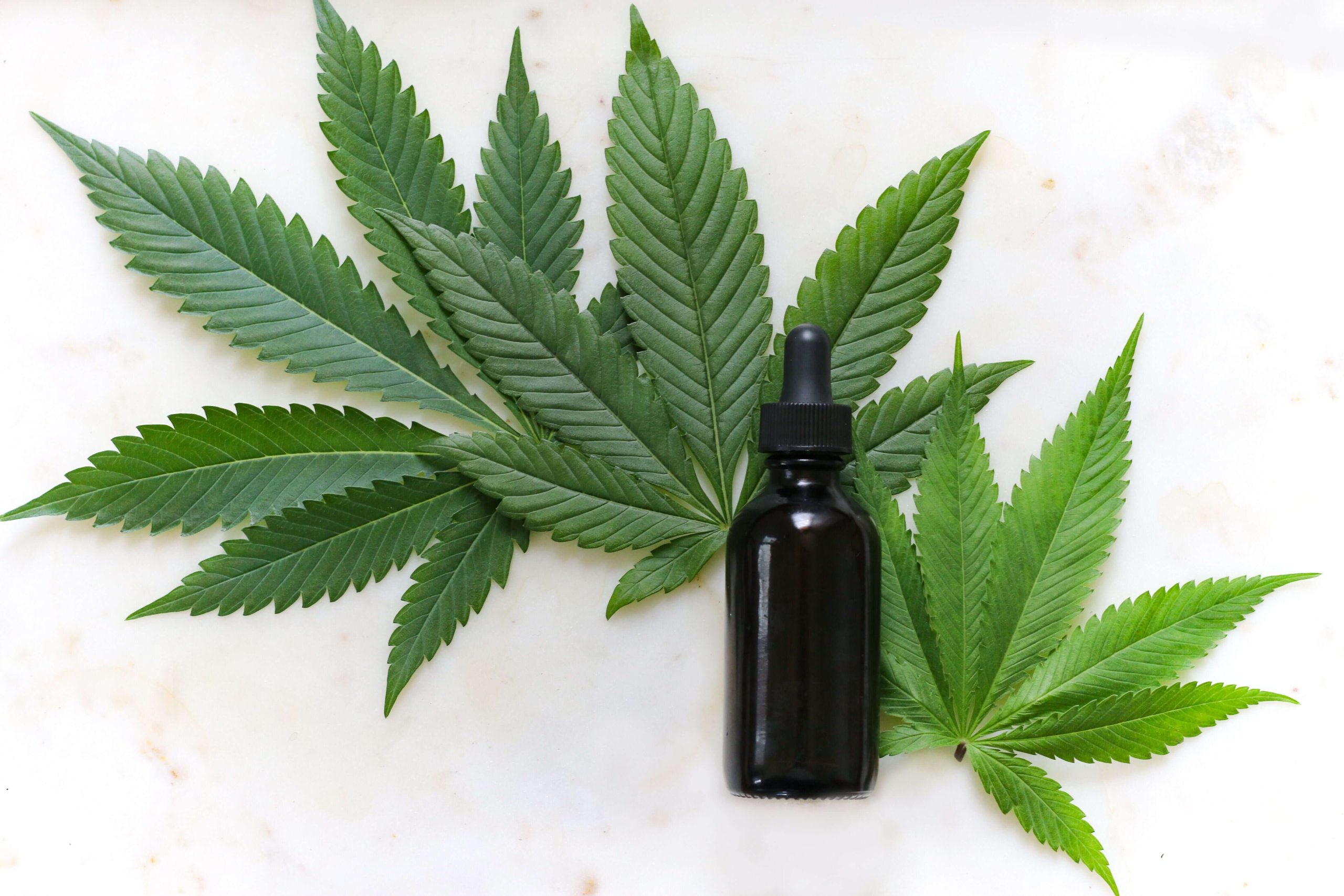
What about edibles, tinctures, or topical products?
Other cannabis consumption methods include:
- edibles
- tinctures
- ingestible oils
- topical oils
- patches
- oral sprays
These delivery methods won’t worsen a cough or sore throat. However, they can still cause other side effects depending on concentrations of active compounds like THC.
Finding the right dose may require trial and error. If you don’t normally use these methods, it’s probably not wise to experiment with them while you’re ill.
What about pure CBD?
CBD, or cannabidiol, is a plant-derived compound typically taken as an oil. Unlike THC, it is not psychoactive and does not produce a high.
A 2016 review suggests CBD has anti-inflammatory and muscle-relaxing effects. Although no clinical studies specifically examine CBD use while sick with a cough, cold, or flu, it may help ease symptoms like nasal congestion, sore throat, and body aches.
CBD is generally regarded as safe, but some individuals may experience side effects such as nausea, vomiting, diarrhea, or dizziness.
If you’ve never used CBD before, consider waiting until you feel better to try it.
The bottom line
Smoking cannabis when you have a cough, cold, or flu is not automatically harmful, particularly if it’s part of your usual routine. However, it may aggravate a cough or sore throat.
Seek medical attention if you develop chest pain, difficulty breathing, or a persistent high fever.
Keep your healthcare provider informed about recreational drug or herbal supplement use. They can help you weigh risks and monitor for complications related to use.























Leave a Reply
You must be logged in to post a comment.