

Although NPD and HPD share certain traits, the overall symptom profiles differ considerably. Treatment for both often involves professional support and sometimes medications.
Our personalities shape much of who we are and influence how we relate to ourselves and others. For individuals with personality disorders, personality characteristics can have a greater impact on behaviors, relationships, and daily functioning.
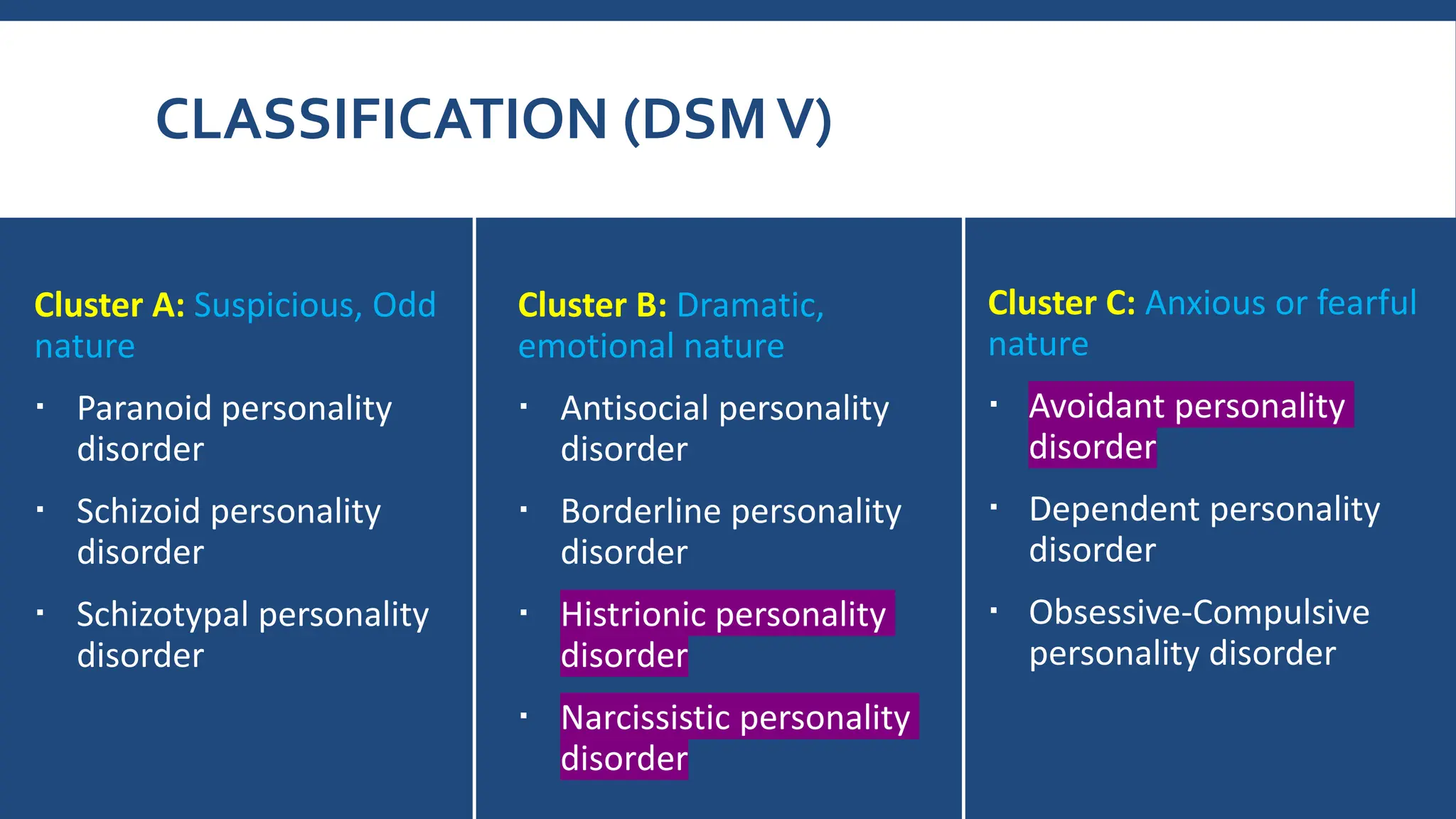
Histrionic personality disorder (HPD) and narcissistic personality disorder (NPD) are both categorized as cluster B personality disorders. Cluster B conditions are marked by emotional, dramatic, and unpredictable patterns of thought and action.
While histrionic and narcissistic presentations overlap in some ways, there are important distinctions between them. Below, we outline similarities and differences in symptoms and treatment for histrionic versus narcissistic personalities.
How do narcissistic and histrionic personalities differ?
Being cluster B disorders, HPD and NPD share some features. For instance, individuals with either condition may behave in ways that are excessively emotional, theatrical, or unexpected.
Still, there are clear clinical differences between the two:
- HPD is characterized by emotionally variable and extreme attention-seeking, whether the attention is favorable or unfavorable.
- NPD revolves around an inflated self-image, limited empathy for others, and a persistent need for admiration and validation.
Both types tend to rely on attention, but the key distinction lies in the kind of attention sought and the motivation behind it.
Those with NPD generally pursue positive recognition to reinforce their self-esteem and usually try to avoid criticism or negative attention.
Conversely, people with HPD crave attention in any form and may resort to risky or damaging behaviors to obtain it.
Behaviors: histrionic vs. narcissistic
Seeking attention is one element common to HPD and NPD, yet other symptoms differ, and clinicians observe distinct behavioral patterns in each condition.
Histrionic personality disorder
HPD symptoms commonly appear in early adulthood. Some of the most frequent behaviors include:
- dramatic or exaggerated displays of emotion
- feeling uneasy or distressed when not the focus of attention
- behaving in a provocative or inappropriate way toward others
- using one’s physical appearance to draw attention
- speaking in vague terms or with a childlike tone
- being easily swayed by others’ opinions
- placing excessive importance on relationships
Exhibiting one or two of these behaviors does not automatically indicate HPD.
To meet diagnostic criteria, a person must persistently display at least five of these behaviors and experience impairment in functioning or relationships as a result.
Narcissistic personality disorder
NPD likewise tends to manifest in early adulthood. Some of its characteristic behaviors include:
- an exaggerated sense of personal importance
- an extreme feeling of entitlement
- acting haughtily or superior to others
- seeking admiration and validation from people around them
- frequent fantasies about success, power, or ideal love
- exploiting others to achieve their objectives
- diminished capacity for empathy
- intense jealousy or envy of others’ achievements or possessions
Occasional narcissistic behaviors do not necessarily meet the threshold for NPD.
Similar to HPD, a formal NPD diagnosis requires a consistent pattern of at least five of these behaviors over time, with significant impact on the person’s life.
What to do if you observe HPD or NPD traits
If you notice signs of HPD or NPD in yourself or someone you care about, consulting a licensed mental health professional can help confirm a diagnosis and start an appropriate treatment plan.
Learn how to find a psychiatrist in other resources, or consider pursuing a psychiatric evaluation for a family member if needed. For related comparisons, you might also find the discussion on histrionic vs borderline useful.
Treatment options for histrionic and narcissistic personality disorders
Treatment approaches for HPD and NPD are similar and usually include psychotherapy and, in some cases, medication.
Psychotherapy
Psychotherapy, often called talk therapy, is an evidence-based intervention for personality disorders such as HPD and NPD.
Through therapy, individuals can gain insight into how their disorder shapes thoughts and emotions, and how those internal processes influence behavior. Over time, this understanding can help people better regulate emotions and modify actions that impair functioning.
Several therapeutic modalities may be beneficial for HPD and NPD, including:
- psychoeducation
- cognitive behavioral therapy (CBT)
- dialectical behavior therapy (DBT)
- psychodynamic therapy
- transference-focused therapy
Medication
No drugs are specifically approved to treat personality disorders, including HPD and NPD.
Nonetheless, medications can be useful for managing associated symptoms such as mood instability, impulsivity, or anxiety.
Common pharmacologic options include:
- antidepressants
- anti-anxiety agents
- mood stabilizers
- antipsychotic medications
Final thoughts
Histrionic personality disorder (HPD) and narcissistic personality disorder (NPD) share overlapping features, particularly regarding attention-seeking, yet meaningful differences separate them.
People with personality disorders may struggle to recognize their condition and often need assistance. With the appropriate care and support, however, individuals can make progress in daily functioning and improve relationships with others.




















Leave a Reply
You must be logged in to post a comment.