

Although coconut oil, derived from the white flesh of coconuts, gets much of the spotlight, another coconut derivative may offer several perks for your hair: coconut milk.
Made by blending the grated white meat of mature coconuts with water, coconut milk is distinct from coconut water, which is the clear liquid naturally found inside the coconut.
Traditionally used as a beverage or an ingredient in soups, curries, and beverages, coconut milk’s nutrient composition has drawn interest for topical beauty uses.
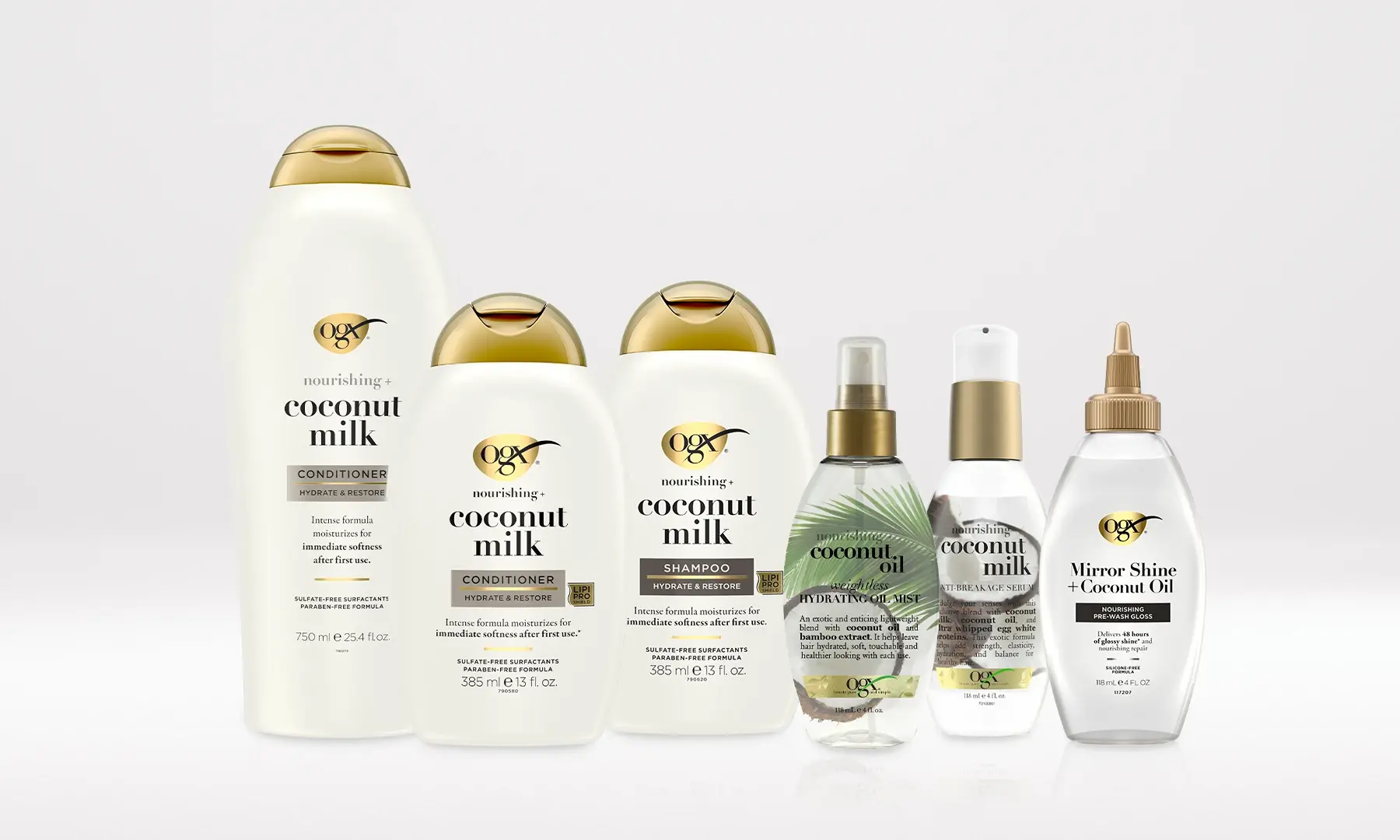
For hair care, coconut milk may help replenish moisture and improve strength, among other possible advantages. These effects are mainly tied to the coconut flesh (a rich source of coconut oil) rather than the water component used to make the milk.
Benefits of coconut milk for hair
Coconut oil has been promoted as a nourishing fat that may support healthy hair, skin, and nails. Coconut milk contains that oil along with other constituents.
Regarding hair health, coconut milk is believed to offer the following benefits:
Rich in lauric acid
Lauric acid is a prominent fatty acid in coconut. This medium-chain fatty acid can penetrate the hair shaft more easily and may help reinforce the hair cuticle.
Good source of protein
Hair is composed primarily of keratin, a protein whose integrity depends in part on dietary proteins. Coconut milk contains proteins that could help maintain hair strength.
You can obtain these advantages by both ingesting coconut milk and applying it directly to hair.
Contains vitamins C, E, B1, B3, B5, and B6
Beyond macronutrients like proteins, fats, and carbohydrates, your body relies on micronutrients for optimal function.
Certain vitamins present in coconut milk — antioxidants such as vitamins C and E and B vitamins like B1, B3, B5, and B6 — might support hair health, strength, and moisture retention.
Nonetheless, additional research is required to confirm the magnitude of these micronutrients’ effects on hair.
May reduce hair breakage
Coconut oil has been observed to help strengthen the hair cuticle, protecting it from damaging agents and water that can cause breakage. As a result, damage-related hair loss may decrease.
However, more targeted studies are needed to confirm whether coconut milk specifically can lower hair loss rates.
Restores dry hair and scalp
The fatty acid composition of coconut milk provides strong moisturizing properties. These can revive dry strands and soothe an arid scalp, functioning as an intensive conditioner for compromised hair.
Can help control dandruff
Coconut milk’s hydrating qualities can condition both hair and scalp, and coconut oil has demonstrated anti-inflammatory properties that may be beneficial for scalp issues like dandruff.
Indeed, some over-the-counter dandruff shampoos include coconut oil among their components alongside conventional actives such as pyrithione zinc.
How to use coconut milk on your hair
You can incorporate coconut milk and related products into your hair care routine in several ways:
- Use a DIY hair mask made with coconut milk.
- Choose commercial shampoos and conditioners that contain coconut oil or milk for regular use.
- Apply pure coconut milk as a concentrated scalp treatment.
- Consume coconut milk for its nutrients to support hair health from within.
Keep in mind that many commercial products contain coconut oil but may be less potent than undiluted coconut milk. For stronger effects, consider applying pure coconut milk to your scalp and hair.
For added nourishment, you might combine coconut milk with other moisturizing oils — see recipes below or learn more about castor oil and coconut oil for hair to enhance conditioning.
How long should coconut milk stay in your hair?
The duration depends on the product you’re using.
If you’re using a coconut-milk shampoo, follow the brand instructions and rinse after lathering. A coconut oil conditioner is typically left in for several minutes before rinsing.
A homemade coconut milk mask usually sits for 15–20 minutes prior to rinsing. Styling products that include coconut milk are designed to remain until your next wash.
Possible side effects and precautions
Coconut milk has relatively few reported side effects. Still, it’s wise to perform a patch test if you suspect sensitivity to a particular coconut product. Allergic reactions, such as a skin rash, can occur, so ensure the test area shows no adverse response before applying the milk widely to your scalp and hair.
Because coconut milk is high in fat, it has an oily feel. If your scalp and hair are already oily, coconut milk may not be the best choice.
How to prepare coconut milk
While canned coconut milk is readily available, you can make it at home. Blend 1 cup of shredded coconut meat with 2 cups of hot water, then strain thoroughly to remove solids.
DIY coconut milk hair mask
A coconut milk hair mask combines homemade coconut milk with other nourishing oils such as argan, almond, or jojoba oil. Prepare the coconut milk as described above, then add a few drops of your chosen oil for extra hydration.
Apply the mask to clean, damp hair, and use a wide-tooth comb to distribute it evenly. Leave it on up to 20 minutes, then rinse thoroughly and follow with your usual conditioner.
Summary
Coconut milk continues to be explored for potential cosmetic and health advantages, including benefits for hair.
Although coconut milk is unlikely to harm your hair, it may not be a cure-all for every hair problem. If you experience persistent dryness or damage, consult a dermatologist for professional guidance.






















Leave a Reply
You must be logged in to post a comment.