

Many people recommend both castor oil and coconut oil as natural fixes for dry, damaged hair. Coconut oil is often touted as a nourishing conditioner, while castor oil is a traditional remedy believed to promote hair growth.
So, why not combine them to aim for hair that’s both softer and quicker to grow?
If you’re thinking of using both simultaneously, here’s what to know.
Why castor oil and coconut oil pair well

Both castor and coconut oil are celebrated as beneficial for dry hair. Their fatty acid profiles are thought to support healthier hair.
Coconut oil penetrates hair shafts fairly well, allowing its fatty acids to be absorbed by the hair.
As for castor oil, scientific proof that it directly stimulates hair growth is limited. Like coconut oil, its fatty acids help hydrate the skin, making it beneficial for the scalp — and a healthy scalp is linked to better hair condition. While it’s unclear whether scalp health directly speeds hair growth, it can help reduce hair shedding and breakage.
Each oil is believed to offer a particular benefit for overall hair wellness, so it’s reasonable to think using them together could support stronger, healthier hair.
What they’re claimed to do
Coconut oil is purported to repair dry or damaged strands, which is why it’s commonly used in deep conditioners and hair masks.
Castor oil is claimed to speed up hair growth and increase thickness, and it enjoys global popularity as a hair-growth aid. Coconut oil is sometimes credited with similar effects, but castor oil tends to be more prominent in beauty circles for growth claims.
For years, users of castor oil have reported improved hair growth, and the oil is also popularly applied to eyelashes.
Still, research on castor oil’s effect on hair growth is sparse. A 2003 study indicates it can enhance hair “luster” — essentially how well hair reflects light — but the mechanisms are not well detailed in scientific literature.
A 2015 study also suggests that ricinoleic acid, a component of castor oil, might counteract hair loss. However, conclusive scientific evidence confirming its effectiveness is lacking.
If your primary goal is increasing rate or thickness of hair growth, consulting a dermatologist or hair specialist is likely a smarter route.
That said, if you want to experiment and see whether the combo makes a personal difference, there’s little harm in trying it out.
Possible reactions
Both oils are generally safe for scalp and hair use and aren’t known to cause problems when mixed.
However, castor oil can trigger allergic responses on the skin, so perform a patch test before applying it more broadly.
Also consider purchasing pure castor oil, since irritation may stem from additives used by some brands to alter scent or appearance rather than the oil itself.
Always do a patch test before applying castor oil anywhere on your body.
How to create a treatment at home
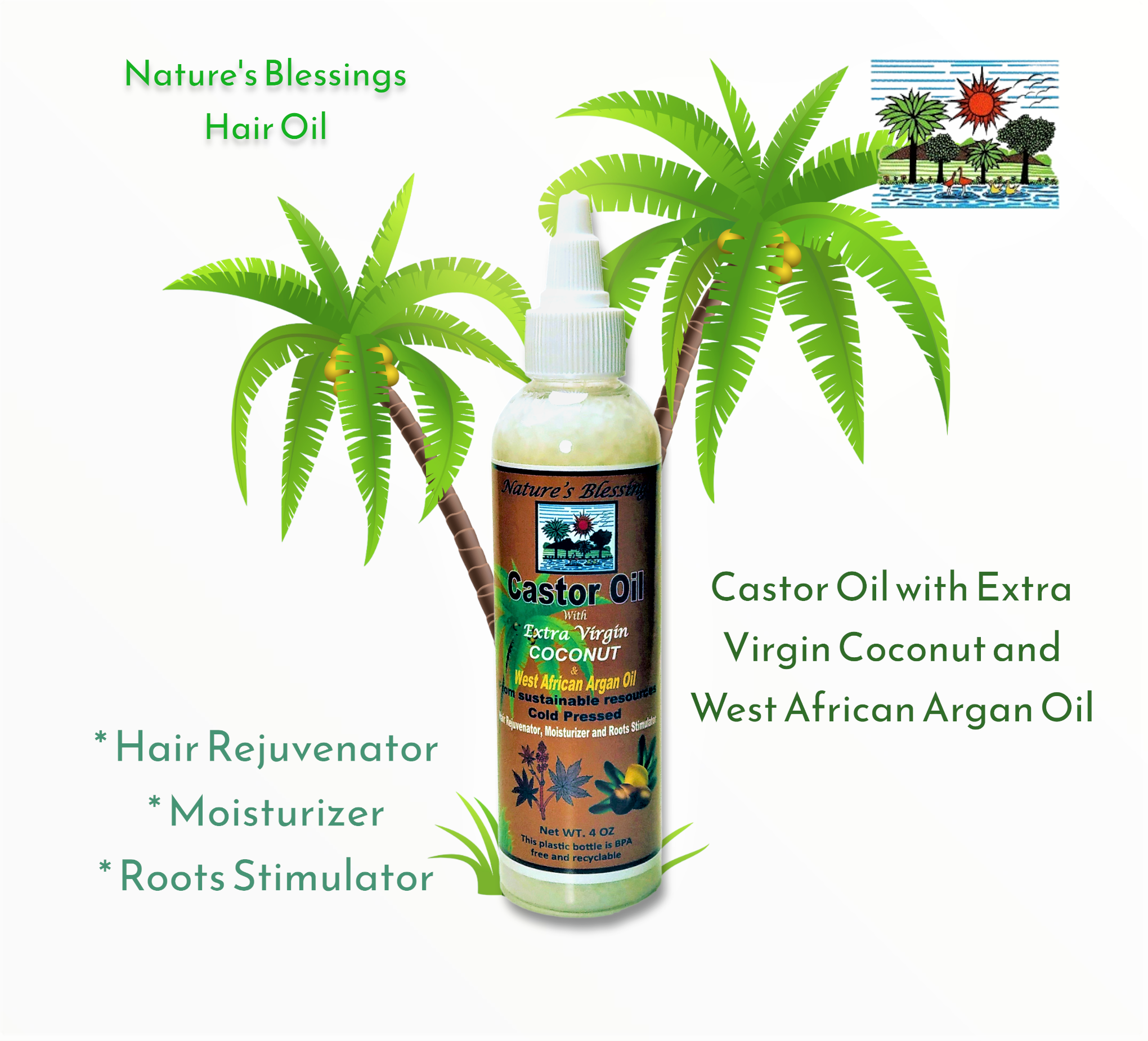
If you’d like to blend coconut and castor oil into a DIY treatment for fuller, softer hair, you can make a simple at-home conditioner.
- Mix equal parts melted coconut oil and castor oil.
- Stir until combined.
- Apply the blend in the shower after shampooing.
- Leave it on for a few minutes, then rinse thoroughly.
For a more intensive mask, keep the mixture in your hair for about 20 minutes before rinsing or showering.
You can also add a few drops of rosemary essential oil, which has been shown to encourage hair growth. In fact, a 2015 trial found rosemary oil to be as effective as minoxidil (Rogaine) in preventing hair loss.
Tip
Castor oil is thick and sticky, so make sure to rinse it out well. It may require extra shampooing to remove completely. Consider wearing an old shirt you don’t mind staining if you’re using it as a leave-in mask.
The bottom line
Both coconut oil and castor oil have long been used separately to improve hair softness and appearance.
While evidence supports coconut oil’s conditioning benefits, there’s limited data proving that castor oil enhances hair thickness or length.
Trying this combination carries little risk, but seeking guidance from a hair care professional may be the best approach for persistent hair concerns.




















Leave a Reply
You must be logged in to post a comment.