

More people are turning to complementary and alternative medicines (CAM) for eye issues and disorders. However, you may want to hold off until more evidence is available before applying CAM solutions to your eyes.
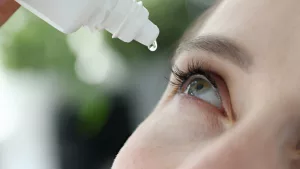
Making eye drops at home can carry greater hazards than advantages. Natural tears are a complex blend of oil, mucus, and water, and they also deliver oxygen, nutrients, and antibodies that shield your eye. Crucially, tears are naturally free of infection.
It’s not feasible to maintain a completely sterile home setup or ensure ingredients are uncontaminated the way research labs and manufacturers of OTC and prescription eye drops can.
Keep reading to discover what the science says about do-it-yourself eye drops and what safe options you can use to ease irritation, redness, or puffiness.
The research on DIY eye drops
You might be drawn to using oils in eye drops because they often provide greater lubrication and longer-lasting relief.
One study reported that oil-water emulsions outperformed solution-based eye drops. Still, there are no safety trials on homemade oil-based remedies for dry eyes. Several possibilities haven’t even been evaluated in humans.
Here’s what investigations reveal about some commonly suggested eye-drop components:
Castor oil: A pilot study showed that a castor oil emulsion from Allergan produced a more stable tear film for at least four hours. That product is no longer available in the United States.
Coconut oil: There are no human studies for this ingredient. A rabbit study indicates virgin coconut oil may be safe, but it didn’t show meaningful advantages over standard eye drops or saline. Coconut oil can also be prone to contamination.
Omega-3 and omega-6: Human trials are lacking. A 2008 cell-based study suggests further investigation is needed into topical benefits.
Chamomile tea: A 1990 study concluded that chamomile tea washes can trigger allergic reactions and swelling. Due to possible contamination, tea-based eye washes are best avoided.
The safest choice is to purchase commercial eye drops. For guidance, see HealthEH’s lists of the 13 best eye drops for dry eyes and 9 best eye drops for allergies.
Home approaches that are safe
There are natural methods to ease irritated eyes. Whether your eyes are pink, red, dry, or puffy, here are some home remedies that can promote tear production.
Quick relief: Warm compress
Warm compresses are an effective treatment for many people with dry eyes. One study found that applying heat to the eyelids with a compress increased tear film and its thickness.
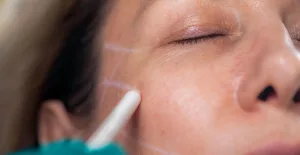
If you want to test the effect of a particular oil, apply it around the eye area (not directly on the eyeball), then lay a warm towel over your face for one to two minutes. Keep the oil away from the eye itself to avoid contamination.
:max_bytes(150000):strip_icc()/natural-eyeshadow-recipes-5199267_19-77dd5dbef82347b0adb72b478662720c.JPG)
Tea bags: Cold compress
Although physicians warn against rinsing eyes with tea, used tea bags can serve as a cool compress. A damp, chilled tea bag may soothe the eyes, and black tea might reduce puffiness. Keep your eyes closed and place a clean cloth between the tea bag and your eyelids to maintain hygiene.
Blinking and massage
If eyestrain is causing dryness, try blinking more frequently or set a reminder to step away from screens every 15 minutes. A gentle eyelid massage can also stimulate the tear glands. In a pinch, yawning may help trigger more tears.
Prevention through nutrition
You can take supplements aimed at improving dry eyes. One study found that omega-3 fatty acid supplements can help with dry eyes, especially in people with blepharitis or Meibomian gland dysfunction.
Try adding the following to your diet to help ease dry eye symptoms:
Aim to consumetwo servings of omega-3 rich fish per week and a daily portion of flaxseed oil divided into three doses
Eating citrus fruits, nuts, whole grains, leafy greens, and fish supports overall eye health. Additional measures to prevent eye dryness include:
- raising indoor humidity
- replacing filters in heaters or air conditioners
- avoiding blow dryers or closing your eyes when using them
- wearing protective eyewear in sunny or windy conditions
Also drink ample water, since dehydration can contribute to dry eyes.
Stick with over-the-counter eye drops
There are many proven options for treating eye symptoms. Over-the-counter products can be effective, and artificial tears help with more than just dry, red, or puffy eyes.
Choose preservative-free eye drops when possible to reduce irritation, and follow the directions on the label.
| Condition | What to buy |
|---|---|
| dry eyes | artificial tears (Hypo Tears, Refresh Plus) |
| redness | decongestant eye drops |
| allergies and itchiness | antihistamine eye drops |
| soreness, swelling, discharge | saline eyewash, artificial tears |
| pink eye | antihistamine eye drops |
Consult a physician if your eye issue causes pain, as this could indicate an infection requiring antibiotics. Your doctor may prescribe oral or topical drugs to improve dry eyes; some enhance tear production.
Short-term steroid treatment is another option. For severe, persistent dry eye, your physician might suggest surgery or alternative treatments such as an eye insert or light therapy.
The takeaways
Don’t use homemade eye drops. Tears form a delicate protective layer, and microbes from DIY solutions can easily:
- worsen your symptoms
- damage your vision
- cause eye infections
- delay an accurate diagnosis
Seek immediate medical attention if you develop double vision, blurred vision, or pain after using homemade eye drops.
Maintaining eye health involves diet, habits, and overall wellness. Treating the underlying cause is the best route for lasting relief. Speak with your doctor if your eyes remain problematic after trying treatments.
















Leave a Reply
You must be logged in to post a comment.