
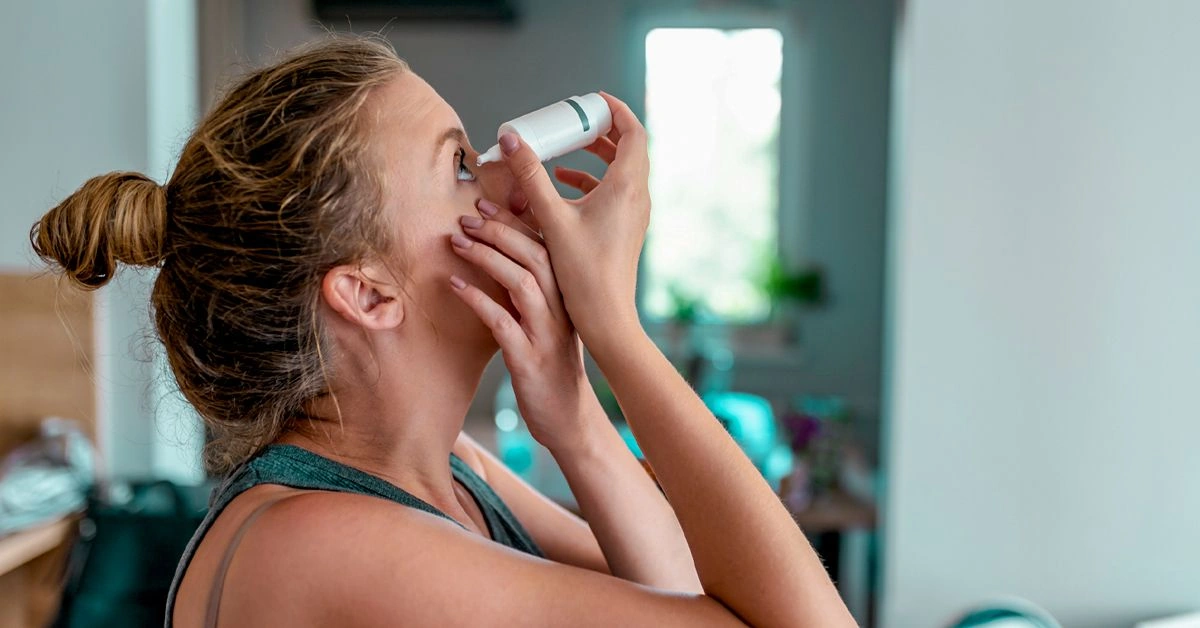
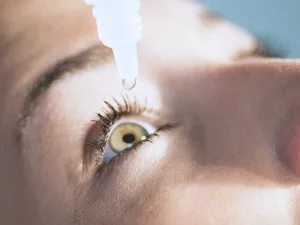
Eye drops are commonly suggested to relieve symptoms like dry eyes, allergic reactions, and redness. Yet many formulations include a preservative called benzalkonium chloride (BAK).
When used repeatedly, this component can actually undermine treatment of those symptoms.
As Dr. Barbara Horn, president of the American Optometric Association, explains, “The Food and Drug Administration (FDA) requires that all multidose ophthalmic solutions be preserved against contamination from a standard group of pathogens. With chronic use, however, these preservatives may cause adverse effects, including reduction of the desired effect, allergic response, and toxic reaction.”
Recently, manufacturers have started offering preservative-free eye drop options. If you frequently use eye drops, switching to a preservative-free product could be worthwhile to see whether it improves your symptoms.
We consulted two eye care professionals about preservative-free eye drops and the products they suggest for relieving tired, dry eyes and for wetting contact lenses. Here’s their advice.
Price range guide:
- $ (under $20)
- $$ (between $20 – $30)
For soothing tired, dry eyes
“Each patient’s dry eye treatment plan is tailored to them and the underlying causes of dry eye can vary widely. What looks like simple dry eye might be more complex. While short-term use of artificial tears and supportive measures can provide temporary relief, a thorough evaluation by an optometrist, focused on dry eye assessment, may help address root causes.”— Dr. Barbara Horn, president, American Optometric Association
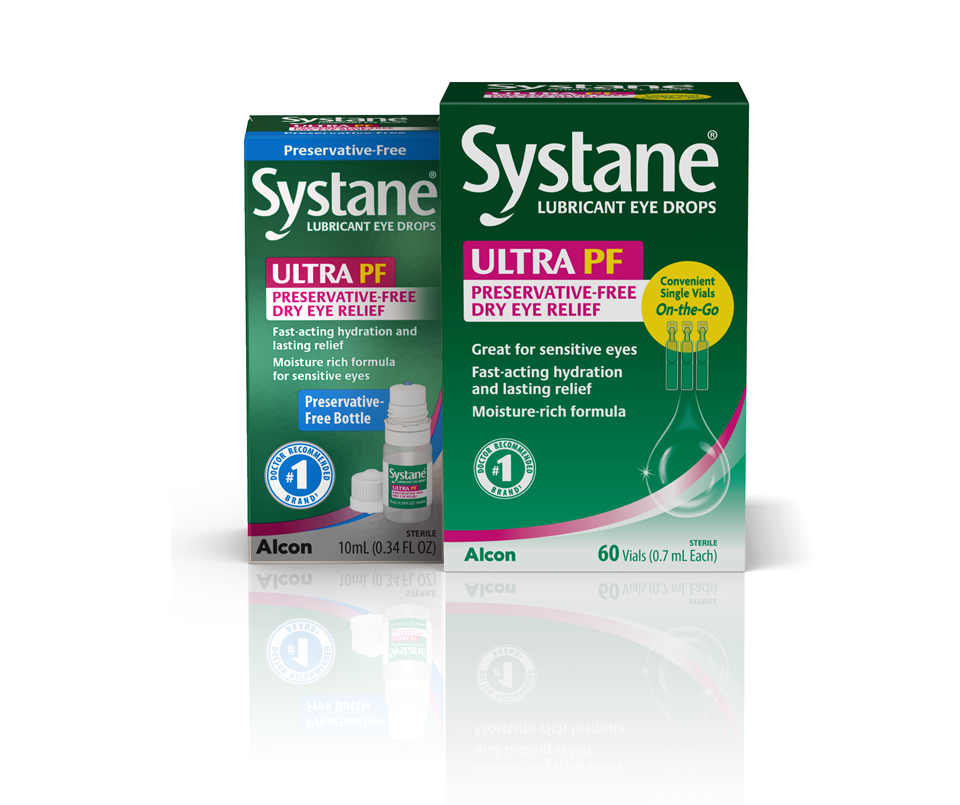
Systane Ultra High-Performance
Price:$$These drops are sold in preservative-free, single-use vials. The single-dose packaging prevents contamination of the solution between applications. According to customer feedback, the drops leave a soothing, gel-like sensation on application, calming and lubricating the eye surface. They can be used twice daily to ease irritated, dry eyes.
Refresh Relieva PF
Price: $$This is a relatively recent entry to the market and differs from many preservative-free options for a key reason: it’s packaged in a multidose bottle rather than single-use vials, reducing packaging waste. Eye doctors, including Dr. Jonathan Wolfe of Ardsley, NY, recommend it. Wolfe says, “Refresh Relieva is something that I am excited to use in my practice, because it is a preservative-free formulation packaged in a multidose bottle. This means that patients will have the benefits of a preservative-free artificial tear, while keeping the convenience of a single bottle that can be used for days or weeks at a time.”
For contact lenses
Eye drops designed for contact lens wear emphasize “wetting” the eye and may not contain ingredients focused on reducing irritation.
“It’s very important that contact lens wearers use the drops/solutions recommended for them as those drops would be appropriate for [their] condition and specifically compatible with contact lenses.”— Barbara Horn, president, American Optometric Association
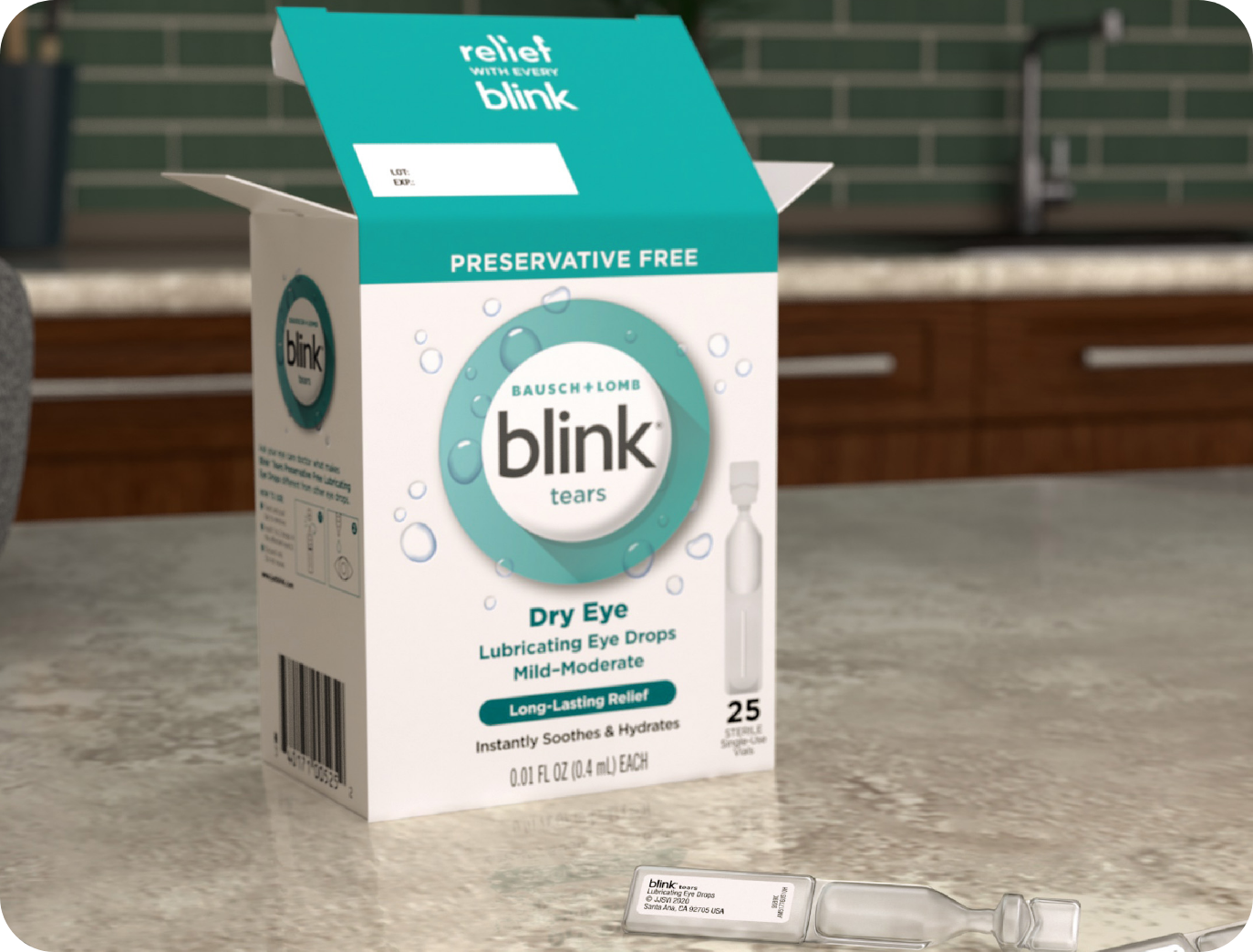
Bausch and Lomb Soothe Lubricant Eye Drops
Price:$These single-dose vials advertise a longer-lasting formula compared with some rivals. This brand is often one of the more budget-friendly choices. The maker also notes that the drops are suitable for sensitive eyes and for people recovering from LASIK. Being preservative-free, they may be gentler on the eyes and are considered safe for use twice daily.
Refresh Optive Lubricant Eye Drops
Price:$$These drops come in single-dose containers and are suitable for contact lens wearers. The formula is designed to wet the eyes and preserve moisture by creating a seal that prevents evaporation without causing blurred vision. The lasting hydration comforts your eyes while maintaining lubrication even with contacts in place.
Why use preservative-free eye drops?
Recent research indicates BAK can reduce the effectiveness of antibiotics and may be toxic to ocular tissues. Wolfe notes, “Benzalkonium chloride acts as a pro-inflammatory agent on the surface of the eye.”
A 2018 review strongly suggests that BAK can be counterproductive for treating dry eye symptoms. It behaves like a detergent, disrupting the oil layer that sits atop the tear film. Over the long term, preserved drops may contribute to development of dry eye syndrome.
Wolfe adds, “BAK is something that a number of patients are simply allergic to, and exposure to it can lead to redness, irritation, and ocular inflammation.”
When to see a doctor
Wolfe warns against self-treating persistent eye issues with over-the-counter drops alone.
“If your eyes are producing thick mucus discharge, have become highly light-sensitive, or are extremely red and itchy, you’re likely dealing with a condition that OTC drops aren’t meant to address,” he told HealthEH.
“Contact lens wearers should be particularly cautious about any pain or light sensitivity, as these symptoms can indicate corneal ulceration, which demands immediate medical attention.”
A preservative-free prescription product called Restasis Multidose is available for chronic dry eye, but only by prescription so far. If your dry eye symptoms persist, discuss prescription eye drop alternatives with your doctor.
See an eye care professional if you suspect an eye infection. They can prescribe antibiotic drops to treat your condition and reduce the risk of spreading it. Keep in mind that some common infections, like conjunctivitis, may resolve on their own.
The bottom line
Preservative-free eye drops are increasingly accessible. Early evidence suggests they may do a better job lubricating and protecting the eye surface, and many eye doctors recommend them.
Next time you consider changing your eye care routine, try a preservative-free option, or explore alternatives like homemade eye drops if appropriate, and look for products that are paraben free when possible.









Leave a Reply
You must be logged in to post a comment.