

What is normal wrist flexion?
Wrist flexion describes bending your hand downward at the wrist so the palm turns toward the forearm. It’s a component of the wrist’s usual range of motion.
When wrist flexion is within normal limits, the muscles, bones, and tendons that form the wrist are functioning properly.
Flexion is the counterpart of extension, which involves moving the hand backward so the palm faces upward. Extension is also part of the wrist’s normal motion.
If you lack normal wrist flexion or extension, you may find everyday activities requiring hand and wrist use more difficult.
How is wrist flexion measured?
A physician or physical therapist can assess wrist flexion by asking you to move your wrist in specific ways. They typically use a goniometer — a tool that gauges the degrees of movement — to quantify your wrist flexion.
Wrist flexion of about 75 to 90 degrees is generally regarded as normal.
Exercises to improve wrist flexion
Light stretching and range-of-motion routines are effective for enhancing wrist flexion. Common movements include:
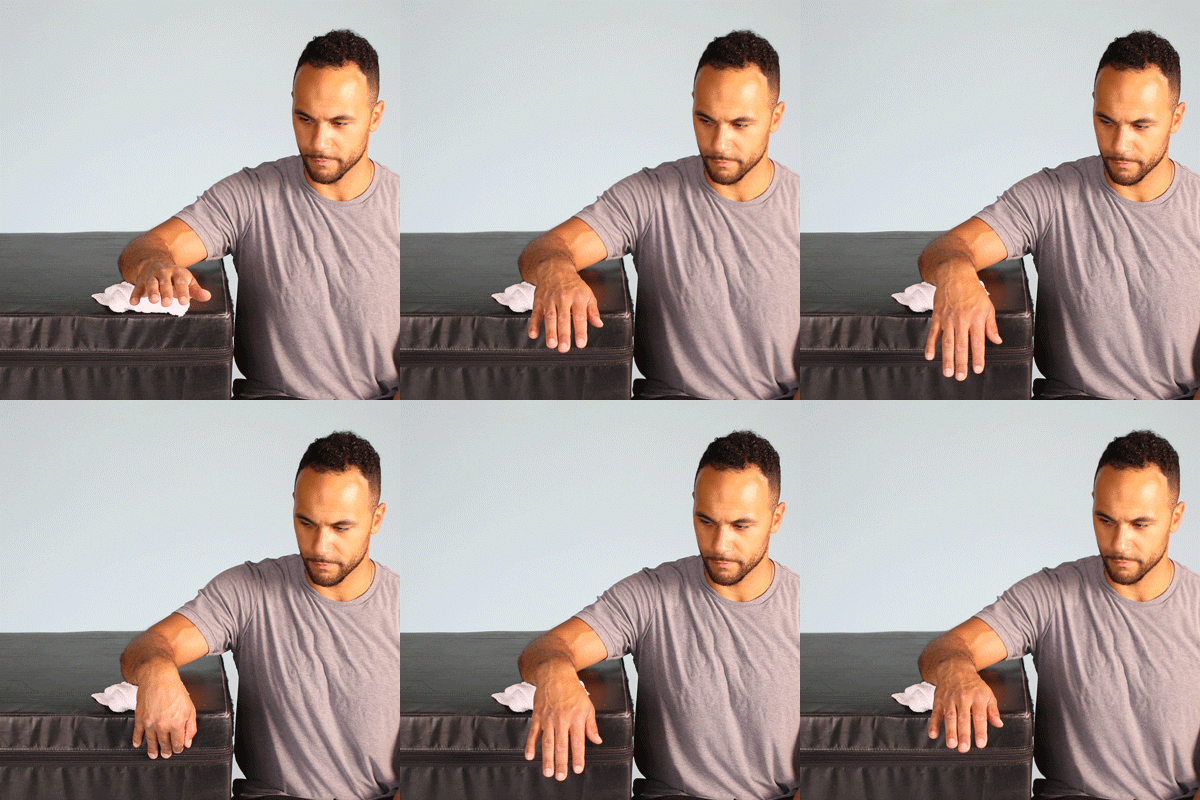
Wrist flexion with support: Rest your forearm on a table so your hand hangs over the edge with a towel or soft pad under the wrist.
Bring your palm toward the underside of the table until you sense a gentle stretch. Use your other hand to apply slight pressure if needed. Hold briefly, return to the start, and repeat.
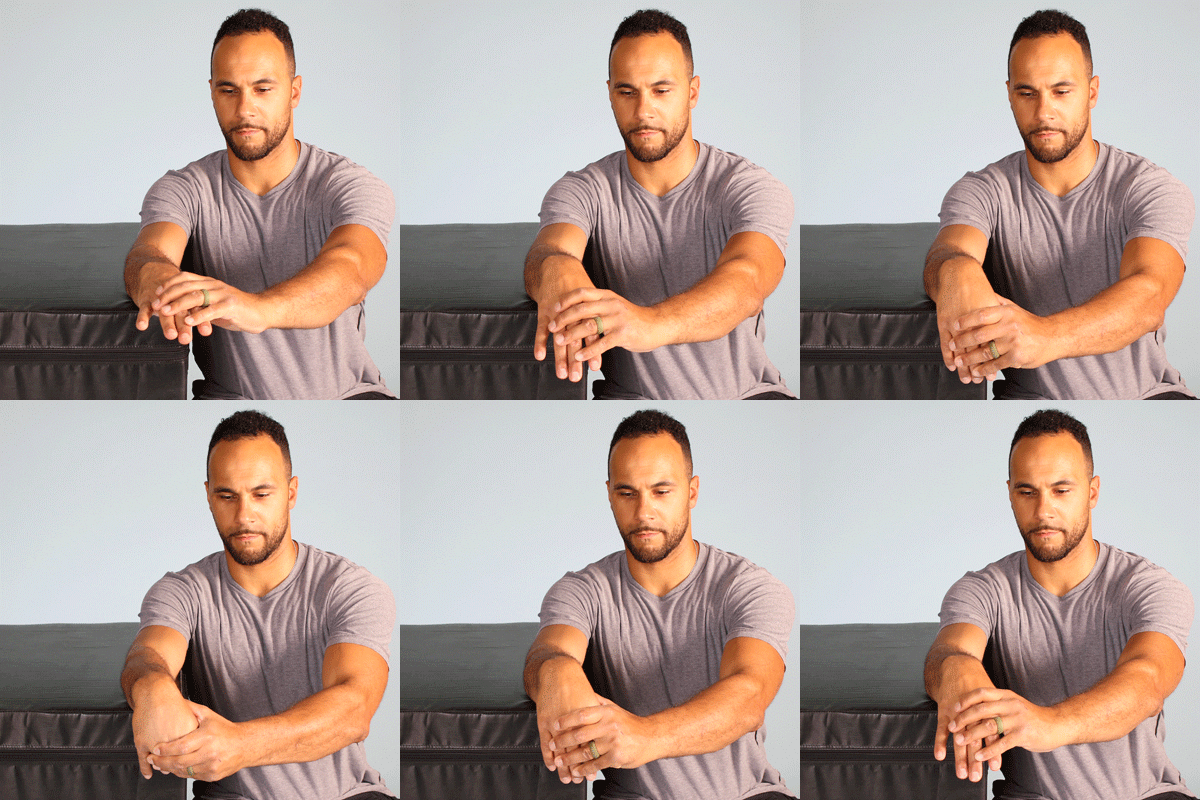
Wrist flexion without support: After you’ve mastered the supported version, try this unsupported variation.
Extend your arm forward. Use the opposite hand to gently press on the fingers of the affected wrist as you lower your hand to flex the wrist. Continue until you feel a forearm stretch. Hold briefly, then relax and repeat.
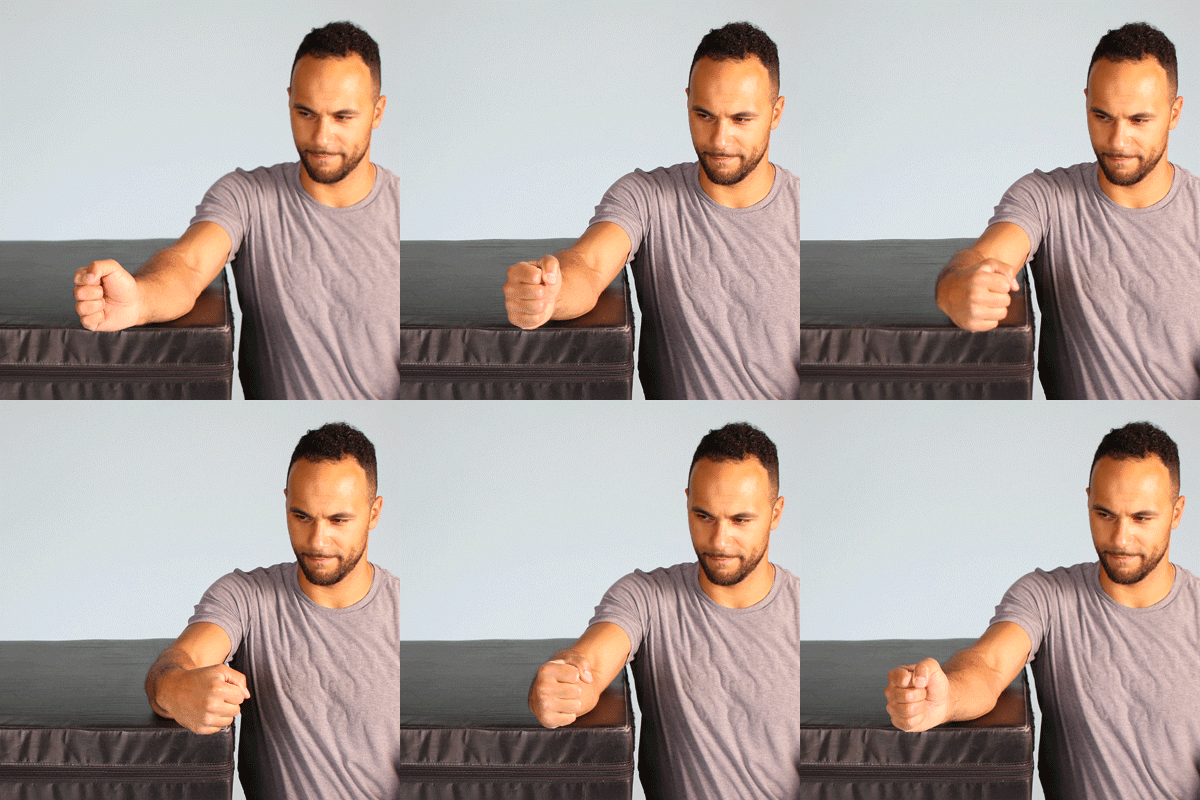
Wrist bend with clenched fist: Make a loose fist and rest the side of your forearm on a table. Bend the fist toward the underside of your wrist to flex, then move it the opposite way to extend. Hold each position for several seconds.
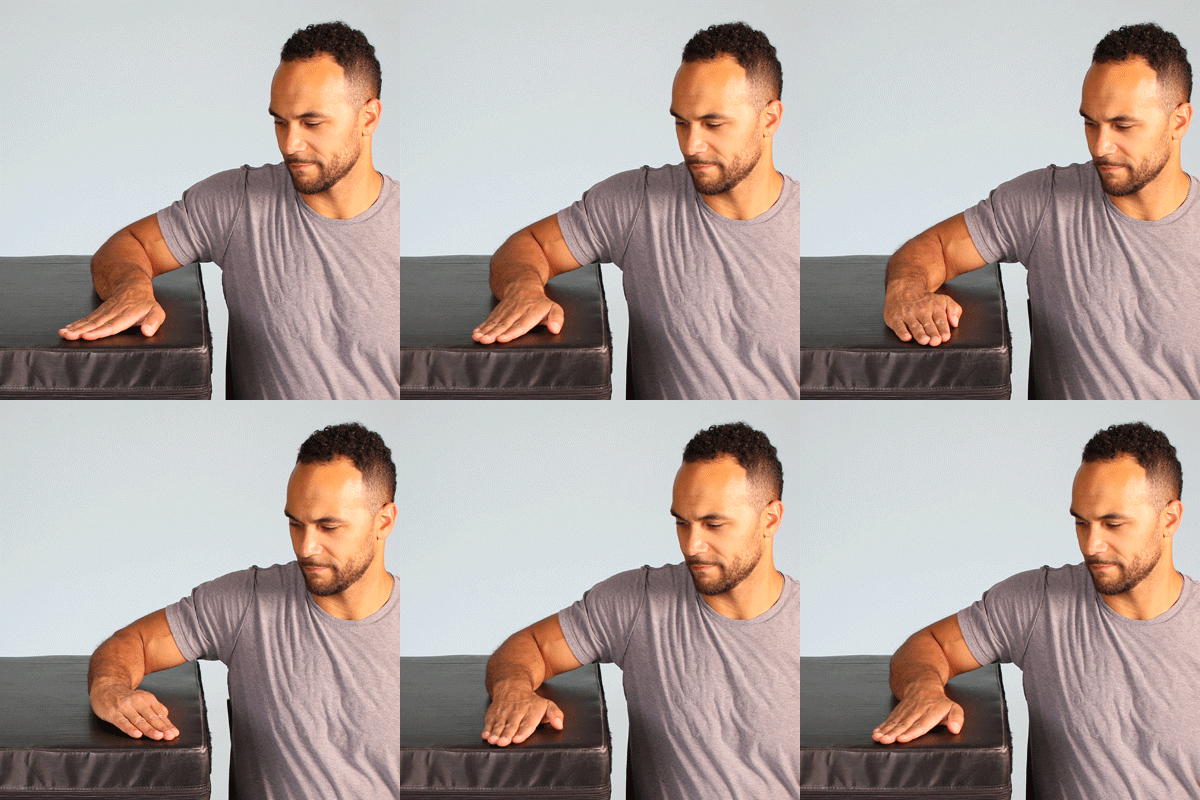
Side to side wrist bend: Place your palm on a tabletop. Keep fingers and wrist straight, then bend the wrist comfortably to the left and hold for a few seconds. Return to center, then bend to the right and hold.
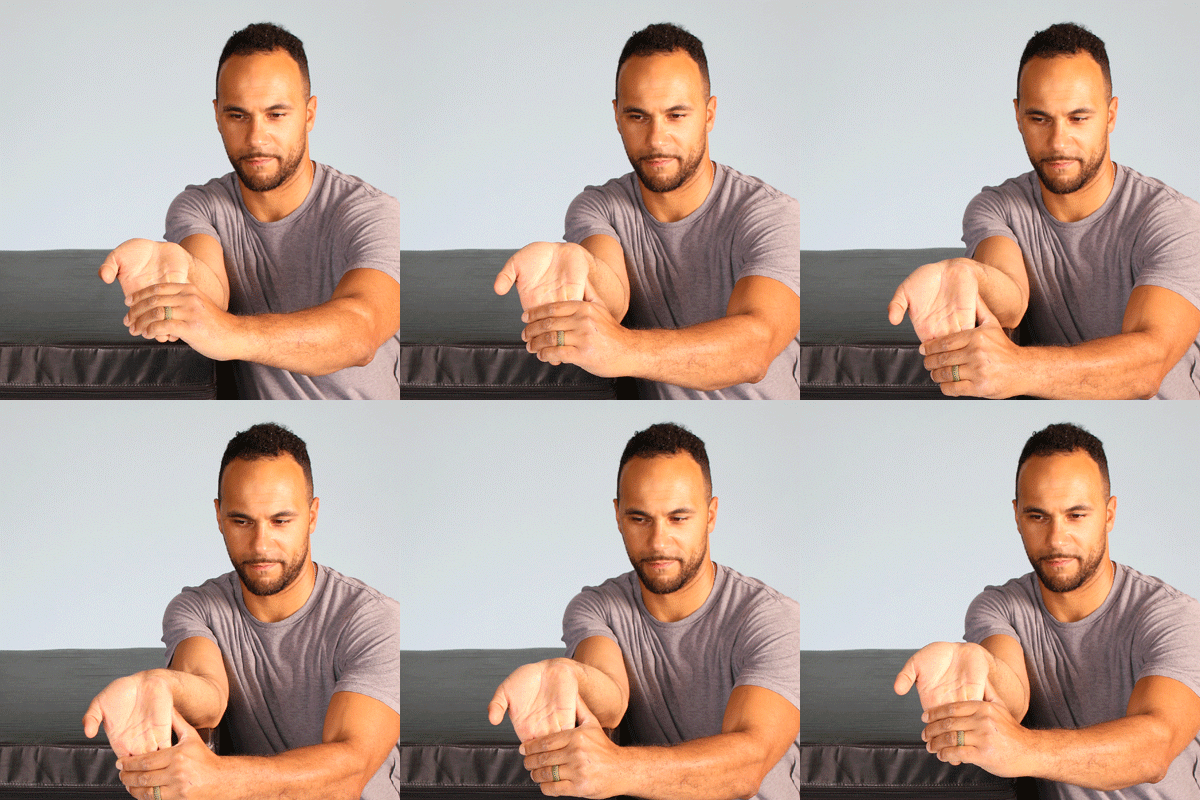
Flexor stretch: Hold your arm out with your palm facing up. Use the opposite hand to gently pull the hand down toward the floor.
You should feel a stretch along the underside of the forearm. Hold briefly, release, and repeat.
What causes wrist flexion pain?
The most frequent culprit behind pain when flexing the wrist is overuse. Repetitive activities like typing or playing sports (for example, tennis) commonly lead to these injuries.
Other sources of wrist flexion pain include:
- Carpal tunnel syndrome: Caused by increased pressure on the median nerve as it travels through the narrow passage on the palm side of the wrist. This pressure often produces pain and is typically an overuse-related condition.
- Ganglion cyst: Soft, fluid-filled lumps that commonly appear on the top of the wrist. They may only present as a visible bump, but can also be painful and impede wrist movement. Ganglion cysts frequently resolve on their own but can be surgically removed if needed.
- Arthritis: Osteoarthritis and rheumatoid arthritis can both produce wrist flexion pain. Osteoarthritis may affect one or both wrists but is less commonly centered in the wrists. Rheumatoid arthritis, however, often involves the wrists and typically affects both sides.
- Sudden-impact injury: A fall onto the wrist or similar trauma can cause flexion pain even without an obvious sprain or fracture.
How are wrist flexion problems diagnosed?
Initially, your doctor will take your medical history and ask specifics about your wrist pain or motion difficulties. They might inquire when symptoms began, their severity, and whether anything aggravates them.
To identify likely causes, they may also question you about recent injuries, hobbies, and occupational tasks.
Next, your clinician will assess wrist movement by having you perform a series of motions to observe exactly how flexion is affected.
Often, the physical exam combined with the history is sufficient for diagnosis. If uncertainty remains or there’s a recent injury, the doctor may recommend an X-ray or MRI for a clearer view.
What is the treatment for wrist flexion problems?
The exercises detailed above can help address wrist flexion issues. Additional treatments include:
- Applying ice to the affected area to reduce pain and swelling.
- Rest, particularly if the issue stems from repetitive activity.
- Ergonomic adjustments to your workstation if typing or repetitive office tasks are contributing factors.
- Splinting, which can be useful for carpal tunnel syndrome, repetitive strain injuries, and acute injuries.
- Physical therapy to decrease pain and enhance mobility and strength.
- Corticosteroid injections for wrist flexion problems that don’t improve with conservative care.
- Surgery may be considered for persistent ganglion cysts, carpal tunnel that does not respond to other treatments, or traumatic injuries such as fractures or tendon tears.
The bottom line
There are multiple potential causes of pain with wrist flexion. Some issues resolve without intervention, while others need medical care. If your wrist flexion pain or dysfunction persists or is severe, consult a healthcare professional.






















Leave a Reply
You must be logged in to post a comment.