


A thread lift involves placing a dissolvable suture beneath the skin to tighten and elevate tissues. It’s less invasive than a surgical facelift and can frequently be completed in under 45 minutes without any cutting with a scalpel.
Polydioxanone (PDO) thread lifts employ a biodegradable polyester suture. They’re ideal for skin rejuvenation, whereas some of the newer thread varieties are more effective at physically lifting drooping skin.
Below we’ll explore how PDO thread lifts differ from other thread types and what to expect during the treatment.
How PDO threads stand out
PDO threads are one of three common suture materials used in thread-lifting. The other options are polylactic acid (PLA) and polycaprolactone (PCA).
PDO has been used the longest of the three and has surgical applications dating back to the 1980s. It’s a transparent polyester that is absorbed by the body in roughly six months.
The presence of these sutures stimulates fibroblasts in your skin to produce additional collagen. Collagen provides structure and resilience to the skin, and its decline is a major contributor to visible aging.
PDO threads are commonly categorized into three types:
- PDO mono threads. Smooth threads that primarily boost skin rejuvenation by encouraging collagen synthesis.
- PDO cog threads. Threads with tiny barbs that anchor into tissues, offering support and a lifting effect.
- PDO screw threads. Composed of one or two wound threads, these are used to restore volume in depressed areas.
Other thread materials
PLA and PCA threads are more recent developments. They remain in the body longer and generally induce greater collagen formation. PLA is absorbed in about 12 months, while PCA lasts roughly 12 to 15 months.
Each material tends to be suited to a particular goal. PDO threads are often preferred for repositioning and revitalizing tissue, whereas PLA and PCA are typically better for lifting more pronounced sagging.
| Goal of procedure | Most suitable thread |
| Rejuvenation or skin tightening | PDO mono |
| Moderate facelift | PDO cog or screw |
| Moderate facelift with texture and elasticity improvement | PLA or PCA |
| Significant facelift | Facelift surgery |
Possible complications from PDO thread lifts
Compared with facelift operations, PDO thread lifts carry a substantially lower complication risk. When performed by an experienced provider there’s less chance of scarring, heavy bruising, or significant bleeding.
Minor issues occur in about 15 to 20 percent of cases, but these are generally correctable. Potential problems include:
- visible sutures (particularly in those with thin skin)
- pain
- minor bruising
- infection
- thread breakage
- blood accumulation (hematoma)
- inflammation
- dimpling (orange-peel like surface)
- localized hair loss
- inflammatory reactions
- salivary gland damage
Which facial areas can be treated with a PDO thread lift
Thread lifts can address most facial zones showing age-related changes. Common targets include the cheeks, jawline, neck, and areas around the eyes.
Because the lift achieved with threads is typically subtler than a surgical facelift, thread lifts are often combined with other anti-aging treatments such as ultherapy or dermal fillers.
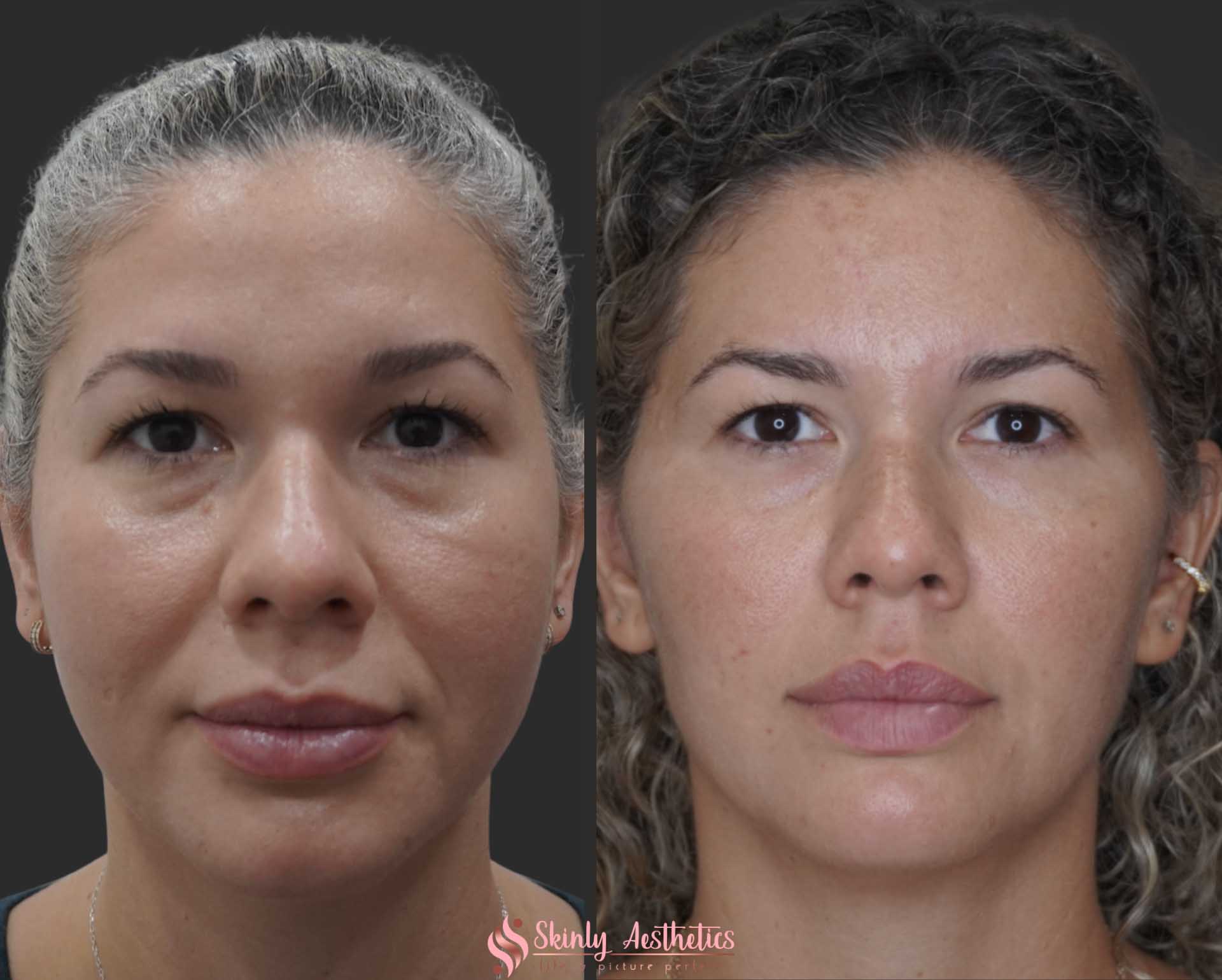
How long do results from a PDO thread lift last?
A 2019 study reported immediate improvement in skin laxity after PDO thread placement, but noted a decline by six months and no clear benefit remaining at one year.
In another study in Aesthetic Surgery Journal, an experienced surgeon reported seeing results persist from 1 up to 9 years. Younger patients often enjoy effects for 3 to 4 years; older patients with reduced skin volume or elasticity may see benefits for only 1 to 2 years.
PLA and PCA thread lifts typically last longer because those sutures take more time to dissolve.
The treatment process
Your clinician will probably recommend avoiding alcohol and tobacco at least five days before treatment, along with substances that increase bleeding or bruising risk, such as:
- Advil and other ibuprofen products
- aspirin
- omega-3 supplements
- green tea or green tea extracts
On the day of the appointment your doctor will review potential risks and provide recovery guidance.
The precise technique varies by practitioner, but a typical sequence is:
- Seated in a reclined chair, your face will be cleaned with an antiseptic and a local anesthetic injected under the skin.
- A tiny entry point is made with a needle and a cannula is threaded through this opening.
- The thread is secured in place and the cannula is withdrawn.
- The practitioner trims the thread and ensures it’s anchored properly.
You can usually go home shortly after the procedure.
Recovery and aftercare for PDO thread lifts
Recovery is minimal. You may experience swelling and bruising for the first 24 to 48 hours, but most normal activities can be resumed almost immediately.
Avoid rubbing your face for about a week to prevent dislodging threads. You’ll likely be advised to refrain from pursing your lips, smoking, and using a straw for several weeks.
Other activities to avoid for 1 to 2 weeks include sleeping on your side, vigorous exercise, and visiting saunas.
Keeping your head elevated on a pillow while sleeping can help prevent rolling onto your face overnight.
Cost of a PDO thread lift
Thread lift pricing varies widely depending on location, the scope of treatment, and the clinician’s expertise.
Expect to pay anywhere from about $500 up to more than $5,000. PCA and PLA procedures are generally a bit pricier. For comparison, one clinic in Rockville, Maryland lists $150 per thread and notes most patients receive 6 to 10 threads.
Because thread lifts are cosmetic, insurance typically won’t cover them. Many clinics do offer financing to spread payments over time; for example, one Maryland practice provides plans from 3 to 48 months.
Bottom line
A PDO thread lift uses absorbable sutures to refresh and lift mildly sagging skin. It’s a faster, less costly option than surgical facelifts, though results are less dramatic and shorter-lived. Recovery is minimal and many people can return to work the same day.























Leave a Reply
You must be logged in to post a comment.