
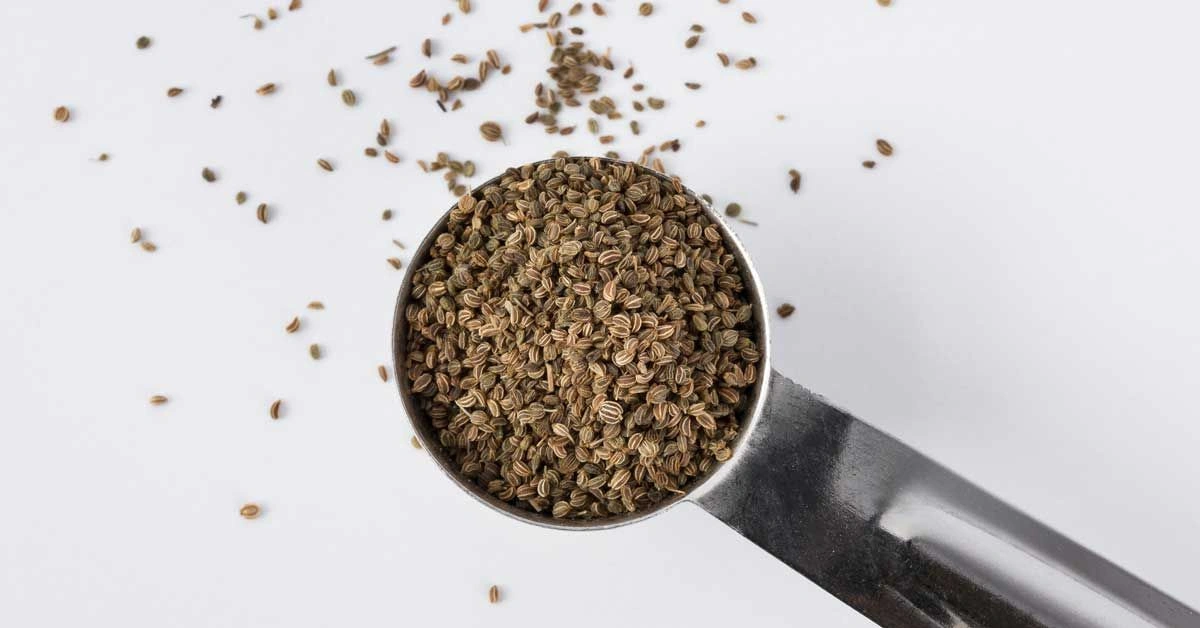
Celery is a well-known vegetable, but the plant offers more than just crisp stalks. Celery seeds are less familiar yet still flavorful and nutritious.
They are tiny, light-brown, and emit an earthy aroma. The taste is warm with a slightly bitter edge.
Traditional Eastern medicine has relied on celery seeds for millennia to address issues such as bronchitis, skin conditions, and flu-like illnesses (1).
Nowadays, celery seeds are most often used as a culinary spice but are also sold as extracts or capsules.
Although small, celery seeds pack considerable nutritional value and several health benefits.
Below are six notable benefits of celery seeds.
1. Packed with Key Nutrients
Despite their diminutive size, celery seeds boast a strong nutrient profile.
They provide several key minerals, including calcium, manganese, and iron.
One tablespoon (6.5 grams) of celery seeds contains (2):
- Calories: 25 calories
- Carbs: 2 grams
- Protein: 1 gram
- Fat: 2 grams
- Fiber: 1 gram
- Calcium: 12% of the Reference Daily Intake (RDI)
- Zinc: 6% of the RDI
- Manganese: 27% of the RDI
- Iron: 17% of the RDI
- Magnesium: 9% of the RDI
- Phosphorus: 5% of the RDI
Celery seeds are low in calories, with about 25 calories per tablespoon. Their macronutrient mix is fairly balanced, providing comparable amounts of carbs, protein, and fat.
Summary: Celery seeds are nutrient-dense, especially in calcium, manganese, and iron. They’re low in calories and offer a balanced macronutrient profile.
2. Support Strong Bones
Bones need a variety of vitamins and minerals to remain healthy and resilient. Celery seeds supply several of these important elements.
Calcium is one of the most recognized minerals for bone health: one tablespoon (6.5 grams) of celery seeds delivers about 12% of the RDI.
If dietary calcium is inadequate for long periods, the body may leach calcium from bones, potentially reducing bone mineral density — a measure of mineral content within a bone volume (3, 4, 5).
Lower bone mineral density is linked to higher fracture risk, particularly among older adults. Some research suggests that raising calcium intake can lower fracture risk (6, 7, 8, 9).
Celery seeds are also high in manganese: one tablespoon supplies about 27% of the RDI.
Manganese is crucial for activating enzymes that synthesize proteins needed for bone and cartilage formation, thereby supporting bone structure and integrity (3, 4, 10).
Additionally, celery seeds offer magnesium and phosphorus, which help osteoblasts — the cells that build bone. Deficiencies in these minerals can contribute to chronic bone disorders such as osteoporosis (11, 12, 13).
Summary: Celery seeds supply many nutrients essential for bone health, including calcium, manganese, magnesium, and phosphorus.
3. Help Form Red Blood Cells
Iron is vital for making red blood cells, which transport oxygen from the lungs throughout the body (14).
Celery seeds are a meaningful iron source for both sexes. One tablespoon (6.5 grams) supplies about 17% of the RDI for women and roughly 38% for men.
Insufficient dietary iron impairs red blood cell production and can lead to iron-deficiency anemia (15).
Iron deficiency is the most widespread micronutrient shortage globally, but consuming more iron-rich foods has been shown to reduce the risk of deficiency and anemia (16, 17).
The iron in celery seeds is non-heme iron, which differs from heme iron in animal-based foods and is absorbed less efficiently — roughly about 10% absorption rate (15).
Vitamin C boosts absorption of non-heme iron from plant foods like celery seeds. Pairing the seeds with vitamin C–rich foods — such as berries, citrus, or bell peppers — can help maximize iron uptake (15, 18).
Summary: Celery seeds are a solid source of non-heme iron. Consuming iron-containing foods supports red blood cell production and may ward off anemia.
4. May Help Control Blood Sugar
Magnesium plays many roles in the body, including aiding blood sugar regulation.
Keeping blood sugar in check helps lower risk for type 2 diabetes and cardiovascular disease (19, 20).
Celery seeds offer a good amount of magnesium — one tablespoon (6.5 grams) provides about 12% of the RDI.
Magnesium contributes to blood sugar control by enhancing cells’ responsiveness to insulin, the hormone that regulates glucose in the bloodstream (21, 22, 23).
Adding magnesium-rich foods like celery seeds to your meals could lower your risk of developing type 2 diabetes. A large review associated magnesium-rich eating patterns with up to a 14% reduced diabetes risk (21, 24).
Summary: Celery seeds are rich in magnesium. Consuming a magnesium-rich diet may assist blood sugar regulation and lower type 2 diabetes risk.
5. Might Combat Bacteria
Extracts of celery seeds could possess antibacterial effects.
For instance, an in vitro study showed celery seed extract inhibited H. pylori, bacteria that can inhabit the digestive tract and contribute to stomach ulcers (25, 26).
However, these findings have not yet been replicated in human trials.
Another investigation reported similar antibacterial activity of celery seed extract against certain bacteria, yeasts, and molds, suggesting the extract might be useful as a natural food preservative (27).
Summary: Celery seed extract may demonstrate antibacterial action, though more research — especially in humans — is needed.
6. Potential Antioxidant Effects
Celery seed extract may also act as an antioxidant.
Antioxidants help prevent cellular injury caused by free radicals. Maintaining a balance between antioxidants and free radicals is important for overall health (28).
Although studies are limited, several animal and laboratory studies have found celery seed extract shows antioxidant properties (1, 29).
This antioxidant activity may be due to polyphenols present in celery seeds.
Polyphenols are plant compounds linked in larger studies to reduced rates of cancer, heart disease, and diabetes (1, 30).
Summary: Some lab and animal studies suggest celery seed extract has antioxidant qualities, but further research is necessary.
How to Use Celery Seeds in Your Meals
Celery seeds are a flexible spice with many culinary applications.
They’re available whole, crushed, or ground; ground celery seed is often called celery powder.
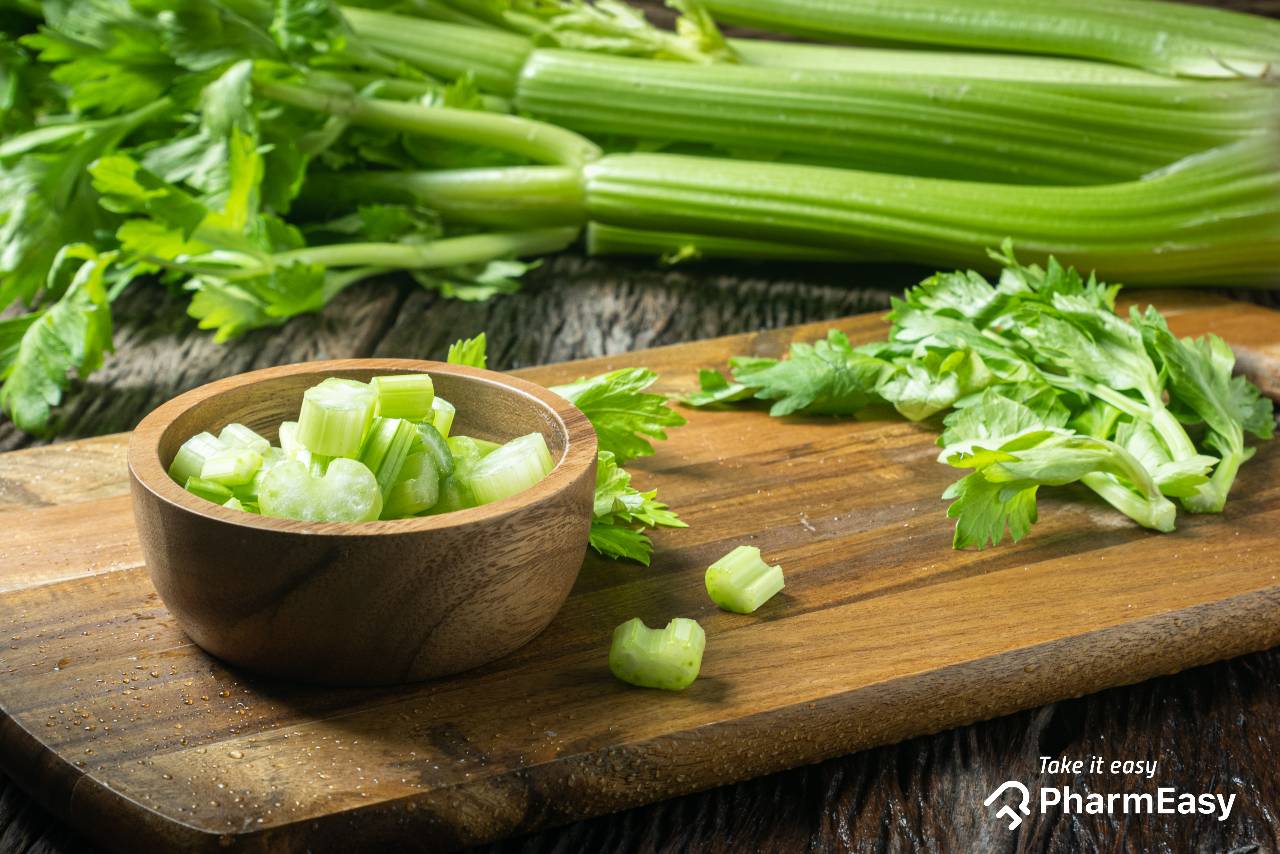
Unsurprisingly, their flavor resembles that of celery stalks. They’re commonly used to season soups, vegetable dishes, and homemade dressings.
Other simple ways to include celery seeds in your diet:
- Sprinkle them over salads for an extra kick.
- Stir them into hearty casseroles.
- Use as a spice rub for grilled meats.
- Add them to barbecue sides such as coleslaw or potato salad.
- Include them in pickling brines.
Some people brew ground celery seed tea by steeping 1 tablespoon (6.5 grams) of ground seeds in boiling water for around 10 minutes, then straining before drinking.
For another snack pairing idea, try celery and peanut butter together for a nutritious crunch: celery and peanut butter.
Summary: Celery seeds are a multipurpose spice. They’re often added to savory dishes and can even be brewed into tea.
Precautions and Possible Side Effects
While celery seeds are commonly used as a culinary spice, they are also sold in more concentrated supplement forms:
- Celery seed extract
- Celery seed oil capsules
- Celery seed tablets
These formats deliver concentrated amounts of the seed’s active components.
In typical culinary amounts, celery seed is generally considered safe. However, there are safety concerns with the more concentrated supplemental forms (31).
Healthcare professionals recommend avoiding celery seed supplements during pregnancy because they may provoke uterine bleeding and potential miscarriage (32, 33).
People with hypoglycemia, acute kidney inflammation, or allergies to celery seeds or birch pollen should also refrain from using celery seed supplements (34).
Moreover, celery seed supplements may interact with certain medications; consult your healthcare provider before starting them.
Summary: Celery seeds are typically safe as a spice, but concentrated supplements carry risks for some individuals — especially pregnant women.
The Bottom Line
Celery seeds are a versatile spice and a concentrated source of minerals.
They’re especially high in minerals like calcium, iron, and manganese, which contribute to bone health and blood sugar regulation.
You can easily incorporate celery seeds into soups, side dishes, or teas. They’re also sold in supplemental forms. You can find both the spice and celery seed supplements at local or online retailers.



















Leave a Reply
You must be logged in to post a comment.